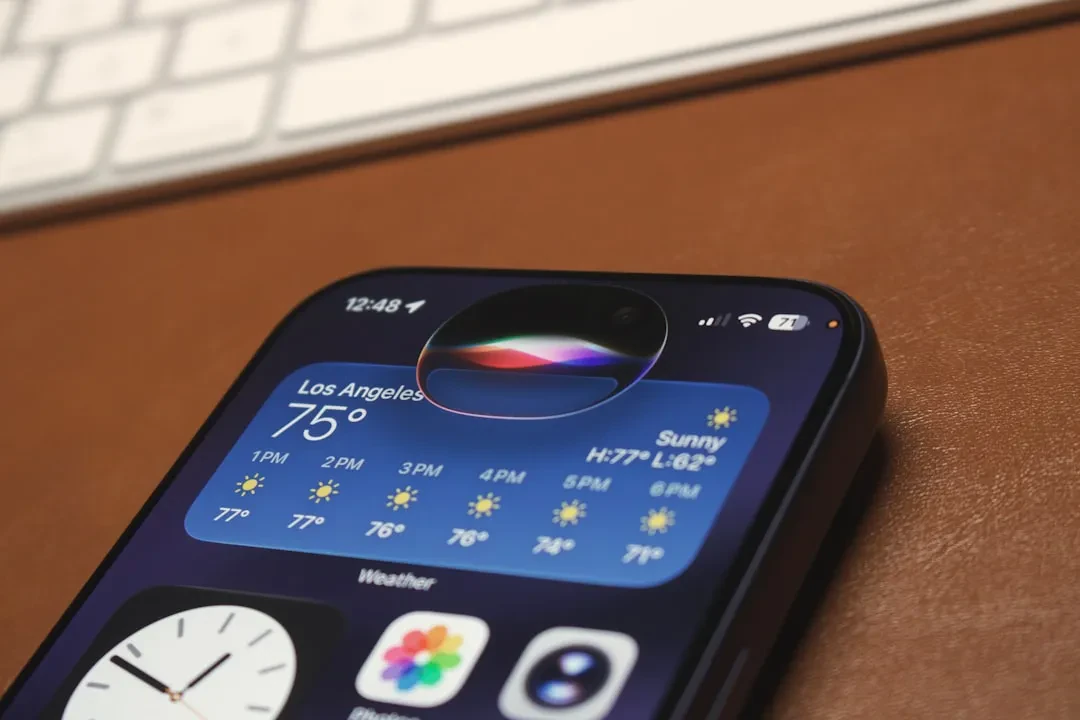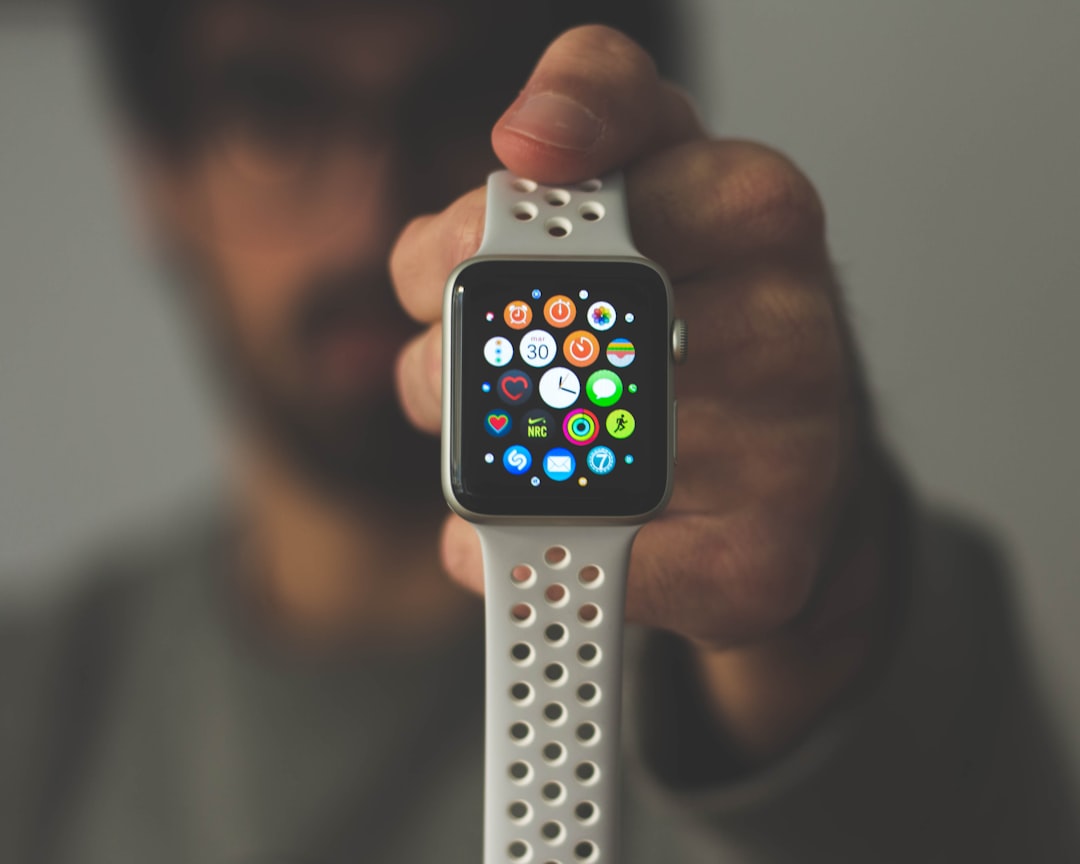
The European Commission has adopted new exemptions to its Batteries Regulation that free the Apple Watch and AirPods from having to offer user-removable and replaceable batteries. The decision, announced yesterday, adds six new exempt product categories, including wearables such as smartwatches and fitness trackers. This move follows months of pressure from U.S. officials, who had flagged difficulties for companies like Meta in bringing their display-equipped smart glasses to Europe.
Reasons Behind the Exemption for Sealed Devices
The EU's Batteries Regulation generally requires consumer products sold in the region to let users swap out their own batteries, a push meant to keep devices in use longer and make it easier to recover materials for recycling. However, the Commission has now expanded its list of exempt product types, mirroring the reasoning already applied to devices like electric toothbrushes. Opening a compact, sealed enclosure and failing to reseal it properly could let water in and create a safety risk. Products can also qualify for exemption if their construction makes battery removal inherently dangerous, or if there is no realistic way to build in user access given current manufacturing methods.
Sponsored Protocol
Apple Watch and AirPods Covered by New Categories
The new categories effectively cover the Apple Watch and AirPods, both of which rely on small, sealed designs, along with Meta's smart glasses. The iPhone was already exempt from the removability rule under the original regulation, thanks to its battery cycle life and water resistance rating. Apple offers battery service through Apple Stores, authorized providers, and its Self Service Repair program, which lets owners handle certain repairs, including batteries, at home. Not every device gets the same pass: Nintendo has now said it will sell a version of the Switch 2 in the EU with a user-replaceable battery to meet the incoming rules.
Sponsored Protocol
Impact and Next Regulatory Steps
The delegated act still has to clear scrutiny from the European Parliament and the Council of the EU. It takes effect 20 days after publication in the Official Journal of the EU if neither body objects, ahead of the regulation's wider rollout in 2027. This decision represents a compromise between the push for repairability and the safety of compact devices. According to industry analysts, the exemption may reduce production costs and maintain the water resistance of smartwatches, as highlighted in a MacRumors report. For more on infrastructure challenges related to AI, read the article on Meta VP warns: 20 months left to rebuild enterprise infrastructure for AI agents.
Sponsored Protocol
The EU's move highlights the difficulty of balancing environmental regulations with technological innovation. While companies like Apple benefit from the exemption, others like Nintendo adapt by producing versions with removable batteries. The case of wearables shows how regulation must adapt to technical specificities without compromising sustainability. According to the Commission, the new exempt categories do not weaken the overall goal of the regulation but refine its practical application.
Source: https://www.macrumors.com/2026/07/15/eu-drops-battery-removal-requirement