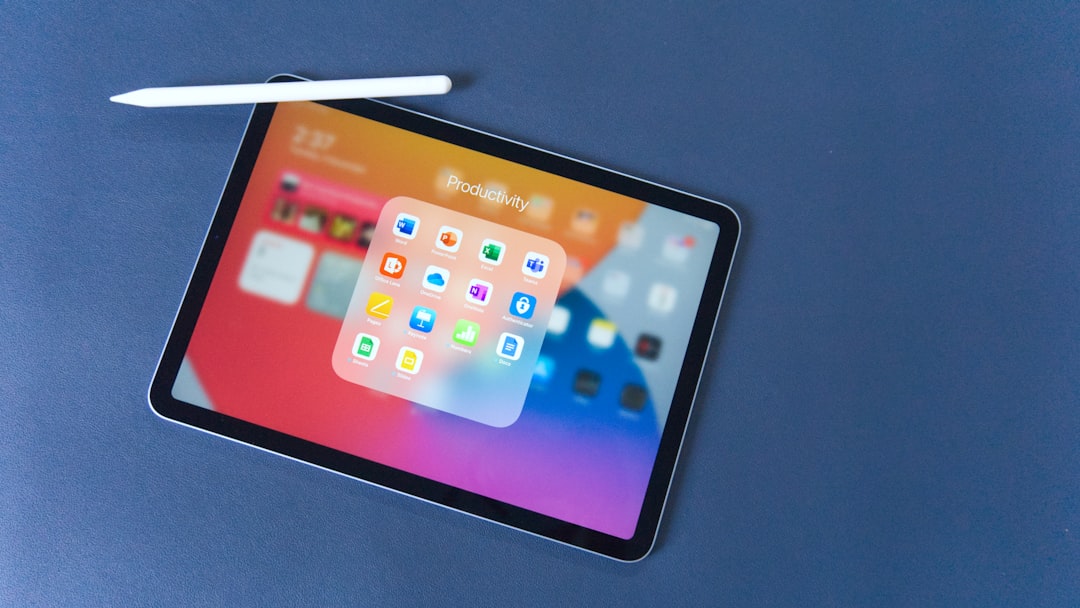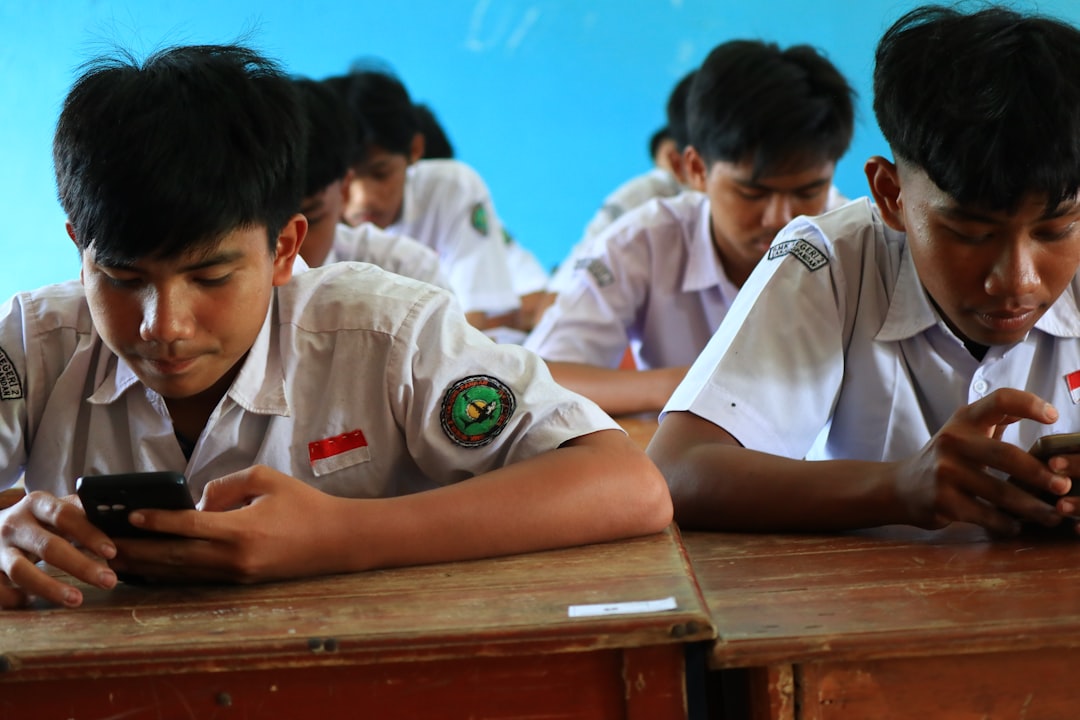
A sweeping majority of American adults now support banning cell phones during class. According to a new Pew Research Center poll, 77 percent of respondents favor this measure, a striking jump from the 36 percent recorded just two years ago. The finding comes as schools across the country tighten their technology policies, and as shoppers look for deals on devices for the new term. With the back-to-school season in full swing, discounts on Copilot+ laptops and other gear are grabbing attention, but the conversation extends to how students actually use those gadgets during lessons. The back-to-school 2026 deals highlight the growing presence of tech in education, yet the new poll shows that even adults who buy these devices often want them switched off in class.
The survey draws a clear line between a ban on phones during lessons and a full-day prohibition, often called a 'bell-to-bell' ban. While 77 percent support the former, only 48 percent favor the latter. This indicates that the public sees a meaningful difference between limiting distractions during instructional time and cutting off communication entirely. Parents, in particular, want to be able to reach their children in an emergency, but they also recognize that a smartphone on a desk is a constant temptation.
Sponsored Protocol
Teachers have long led the push for stricter rules
Educators have been at the forefront of this movement for years. A 2024 survey by the National Education Association found that 90 percent of teachers supported a classroom ban. In 2025, a RAND survey showed that 70 percent of principals believe such bans have a positive effect on school life. Now the general public seems to have caught up, with the Pew poll showing a dramatic shift in attitudes. This cultural change reflects a broader awareness of the downsides of constant connectivity and doomscrolling, and more adults are beginning to see the classroom as a sanctuary from these distractions.
Evidence that banning phones can work
Empirical data lends at least partial support to the ban. A study published in the Education Next Journal analyzed the statewide ban introduced in Florida in 2023, the first of its kind. The findings showed a temporary spike in suspension rates during the first year, followed by an overall decrease. Test scores remained steady for a year and then improved significantly in the second year. Another report from the National Bureau of Economic Research, which tracked students across 40,000 schools between 2019 and 2025, found a greater sense of well-being after the ban and a long-term decline in suspensions. However, that same study found no meaningful impact on test scores, suggesting that the benefits may be more about school climate than academic performance.
Sponsored Protocol
Parental safety concerns and the role of other devices
There are also legitimate arguments against a ban, most of them raised by concerned parents. The most common is safety. In the event of an emergency on school grounds, many parents want their child to have a phone available. This concern is understandable and should not be dismissed. Additionally, researchers point out that simply banning smartphones does not eliminate distractions. Students with laptops can still access social media and messaging apps, which might explain why test results did not improve in some studies. A more comprehensive approach to classroom technology may be needed, as the iPhone Air 2 and other new devices continue to enter the market, but the core question remains the role these tools play in education.
Sponsored Protocol
The debate is far from over, but the numbers are clear. Public opinion has shifted decisively toward banning phones in classrooms, and schools will have to navigate this new reality. The challenge lies in finding a balance that protects both focus and safety.