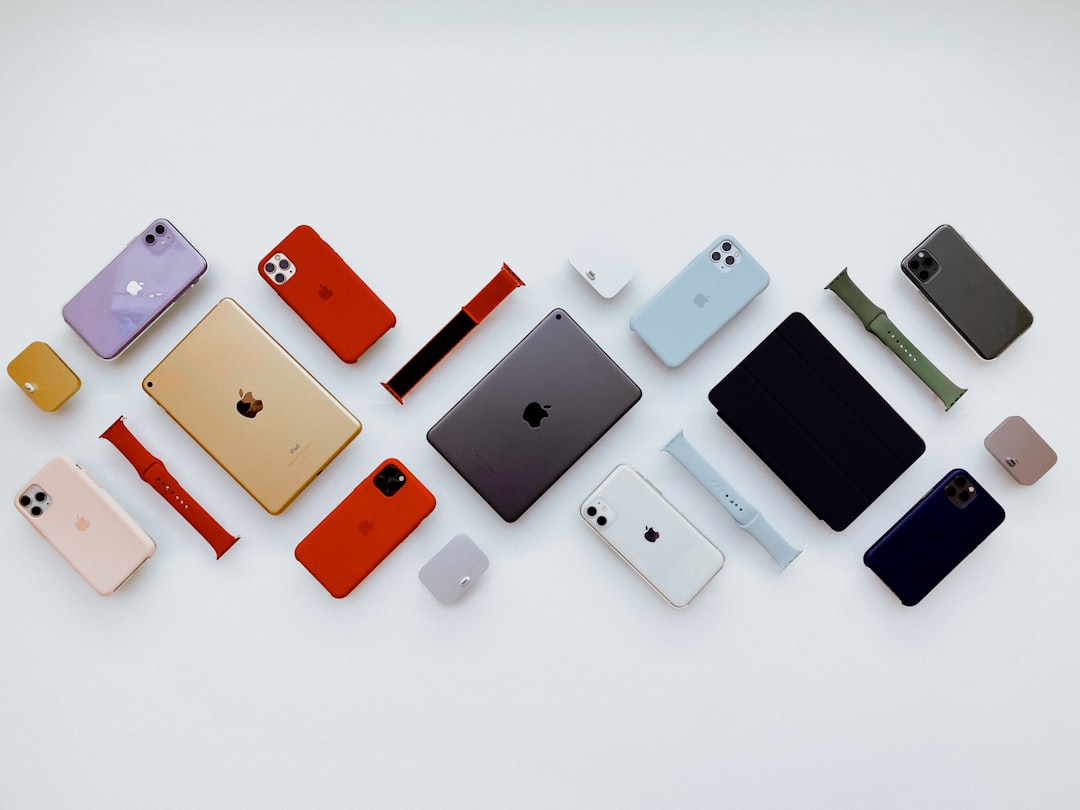
The Apple ecosystem never stops evolving, and this time the conversation comes from one of the most followed voices in recent years. Episode 075 of 9to5Mac Overtime, hosted by Fernando and Jeff, puts Apple Upgrade under the microscope, a program that could redefine how users buy and upgrade their iPhones. During the discussion, details emerged about corporate motivations and consequences for the entire industry, from the supply chain to the refurbished market.
The industrial rationale behind Apple Upgrade
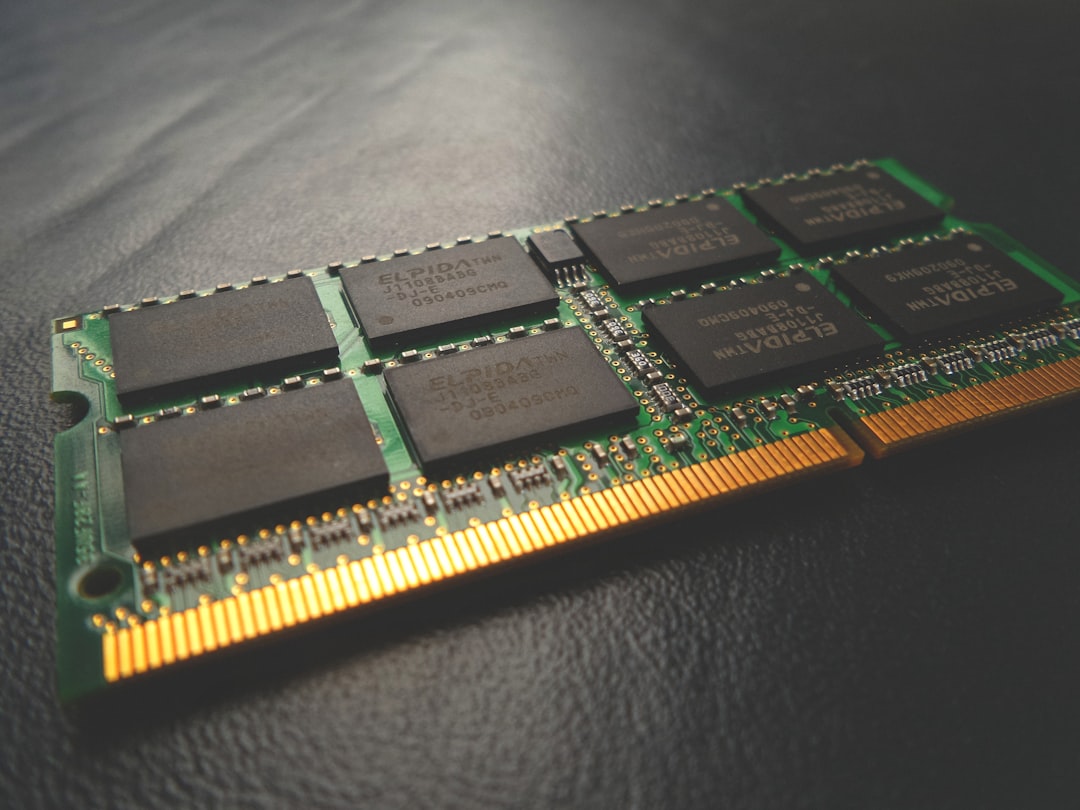
According to the two journalists, Apple's desire to control a longer lifecycle for its devices is the main driving force. It is not just about selling more units, but about locking users into an increasingly closed and integrated ecosystem. A subscription to a periodic upgrade service could guarantee recurring revenue streams, reducing dependence on seasonal spikes from new model launches. Jeff pointed out that the recent increase in component costs, already highlighted by Tim Cook for the September quarter, makes this type of program even more strategic. This is why the link to Tim Cook's statements on memory prices seems obvious and raises questions about Apple's room for maneuver.
Sponsored Protocol
The key players in the supply chain and possible alliances
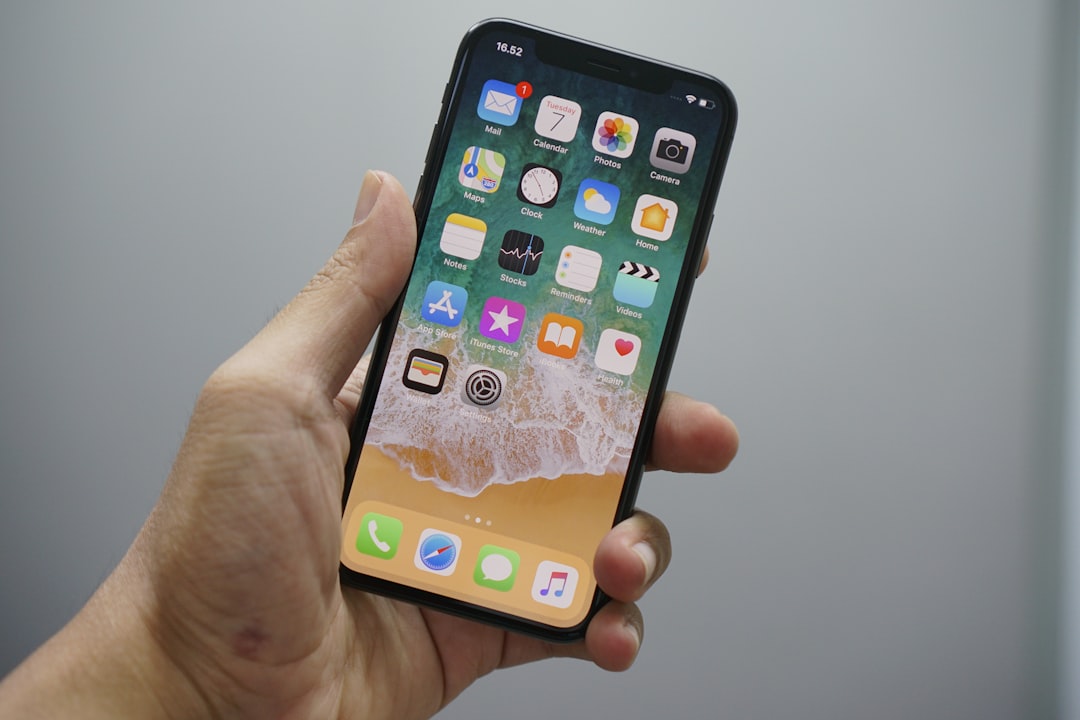
Fernando highlighted how the program involves more than just Apple, directly engaging mobile carriers, insurance companies, and resale platforms. The goal is to create a network capable of managing the return of old devices, their refurbishment, and their subsequent introduction into a parallel market. Major industry players are already watching closely, and it is possible that collaborations with carriers like Verizon or AT&T will emerge to distribute the service widely. The underlying logic is to make the iPhone more like a service than a durable good, and this requires a rethink of commercial practices.
How the used and refurbished market will change
One of the most interesting parts of the episode concerns the impact on the used market. If Apple Upgrade takes off, the number of refurbished iPhones destined for a second life could grow exponentially. Devices returned by subscribers would be officially refurbished by Apple and resold with a warranty, a move that could put independent resellers and online auction platforms in difficulty. Jeff added that this scenario aligns with the public's growing attention to more sustainable solutions, but also with the need to combat the gray market. In short, the program is not just a commercial lever but also a tool to take back control over the entire product lifecycle.
Sponsored Protocol
A springboard for the foldable iPhone
The most speculative part of the conversation concerned the future of the much-rumored foldable iPhone. According to the hosts, a frequent upgrade program could lower the entry barrier for very expensive devices. Instead of having to shell out a four-figure sum upfront, users would pay a monthly fee that includes the device and annual upgrade. This model, already proven by other services, would make the foldable much more accessible to a broader audience. The connection with rumors about models like the iPhone 18e with 9GB RAM demonstrates that the Cupertino giant's roadmap is denser than ever, and a service like Apple Upgrade could be the catalyst for rapid adoption of the new technology.
Sponsored Protocol
In summary, Apple Upgrade is not just a futuristic idea but a project with solid foundations. The 9to5Mac Overtime 075 discussion offers concrete insights into where Apple's strategy is heading. Staying updated will be crucial for industry operators and consumers, as also explained by the in-depth analysis of Apple on Wikipedia. For those who want to dive deeper, the full episode is available on the official 9to5Mac website at 9to5mac.com/podcasts.
Source: https://9to5mac.com/2026/07/31/9to5mac-overtime-075-thoughts-on-apple-upgrade