Artificial intelligence is no longer just a voice assistant or a text generator. It is becoming the connective tissue of every digital device, from budget phones to premium earbuds to the most popular productivity tools. This week, three distinct but converging announcements prove that AI is rewriting the rules in product categories that seemed mature. The phenomenon is global: a Finnish phone maker targets the Indian market with a local AI chatbot, Anker integrates a proprietary AI chip into its new earbuds, and OpenAI brings ChatGPT directly into PowerPoint. Completing the picture, an open-source solution previews iOS 27 features for creating shortcuts with natural language.
HMD and Sarvam: Local AI as the Key to Emerging Markets
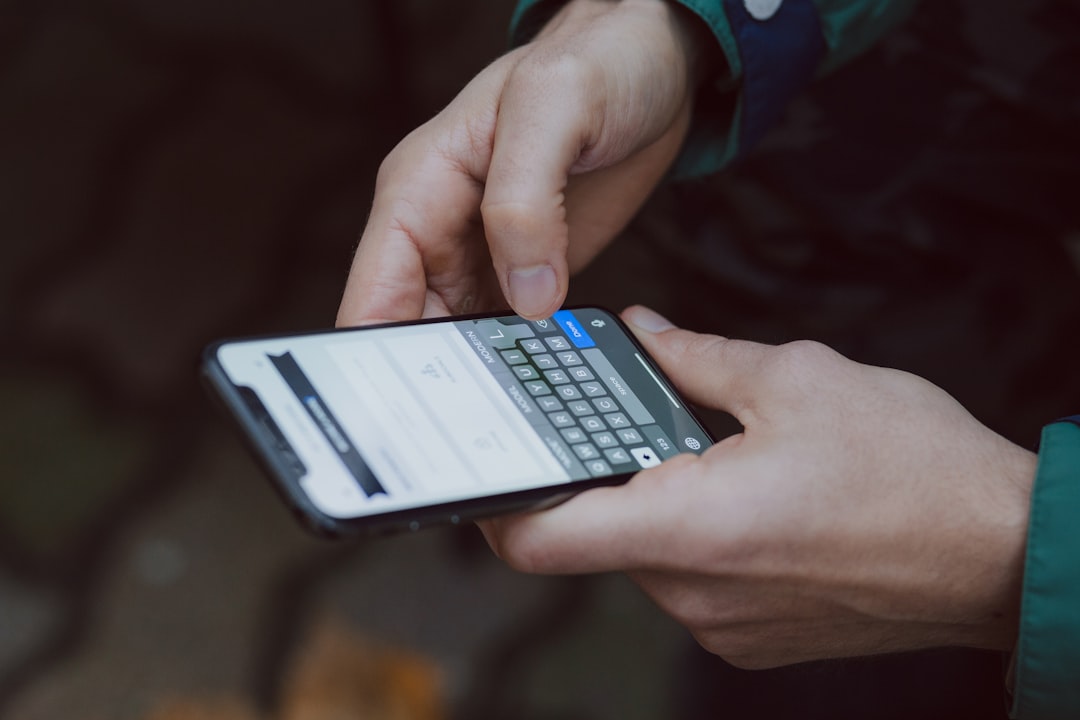
Finnish phone maker HMD (formerly Nokia) launched a new entry-level smartphone with a strategic move: preloading the Indus chatbot app developed by Sarvam AI. Indus supports 22 Indian languages, a decisive step to break language barriers in a country where English is only the second language. This integration is not simple bloatware, but a declaration of intent: to win emerging markets, AI must be vernacular, contextual, and accessible. While Google and Apple push global language models, Sarvam proves that true mass adoption passes through recognizing local languages. HMD bets that a chatbot able to converse in Hindi, Tamil, or Bengali can turn a cheap phone into a cultural and practical assistant, from booking a train ticket to finding traditional recipes. It is not just about technology, but about AI-powered digital inclusion.
Sponsored Protocol
Anker Thus AI Chip: On-Device Processing Makes Earbuds Smarter
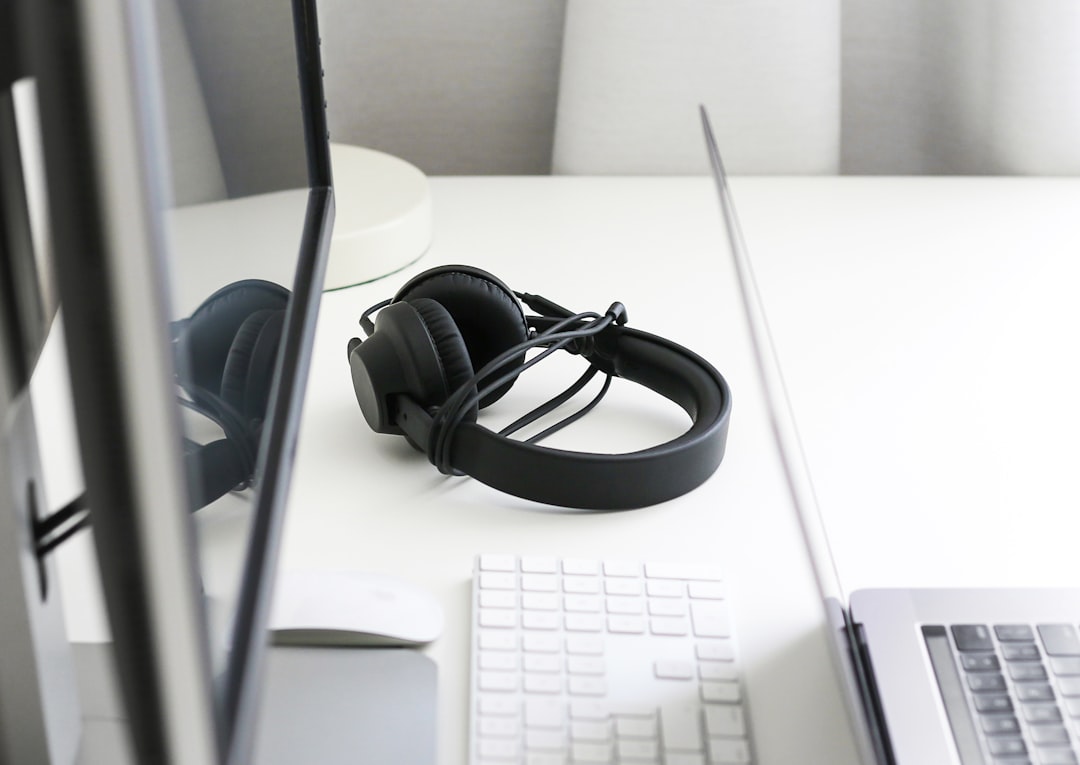
In the personal audio world, Anker has raised the bar with the new Soundcore Liberty 5 Pro, the first products to feature the proprietary Thus AI chip. This dedicated chip allows the earbuds to run artificial intelligence functions directly on the device, without relying on the cloud. The most interesting novelty is the built-in AI note taker, capable of transcribing and summarizing conversations in real time. Imagine attending a meeting and receiving a detailed report directly in your earbuds, with the option to save the text to the cloud or your smartphone. The Thus AI chip also handles adaptive active noise cancellation and personalized real-time equalization, learning the user's preferences. On-device processing is crucial for privacy and latency, marking a step forward compared to voice assistants that send data to servers. Anker demonstrates that AI can become an essential hardware component, on par with the audio processor.
Sponsored Protocol
ChatGPT Integrated into PowerPoint: The Silent Productivity Revolution
Microsoft has officially enabled ChatGPT integration within PowerPoint. Millions of users can now generate slides, summarize presentations, and create slide scripts simply by describing what they want. This is not a simple template, but contextual generation that adapts content to the chosen theme and style. A manager can ask ChatGPT to create a 10-slide presentation about Q2 results, and the system extracts data, charts, and coherent text. This update follows similar integrations in Word and Excel, completing the Office trio. Microsoft's move is clear: make AI not a separate tool but an internal muscle of every application. For professionals, it means saving precious hours and focusing on strategy instead of formatting. However, it raises questions about originality and fact-checking, as productivity experts note.
Sponsored Protocol
Shortcuts Playground: Open Source AI Previews iOS 27
For Apple power users, Federico Viticci of MacStories launched Shortcuts Playground, a plugin for Claude Code and OpenAI Codex that lets users create shortcuts for the Shortcuts app using natural language. The idea is simple but powerful: instead of manually building an action flow, just type a phrase like “create a shortcut that remembers where I parked my car and guides me back to it”. The plugin generates the code and exports it directly to Finder, ready to import into the Shortcuts app. Viticci made the project open source on GitHub, inviting the community to inspect and improve the code. This tool previews the AI features rumored for iOS 27, offering today what Apple might officially release in the fall. Democratizing automation creation is another piece of the pervasive AI puzzle: no longer just for developers, but for anyone with a Mac and a good idea.
Sponsored Protocol
These four seemingly independent stories tell a common truth: AI is migrating from the cloud to the device, from generic to specific, from pure text to senses. HMD integrates a local chatbot for a specific market. Anker puts AI on a chip for audio. Microsoft embeds it in PowerPoint. MacStories uses it to automate the operating system. 2026 is the year AI becomes ubiquitous, quietly indispensable. To explore how AI is transforming the smart home, read our article on Google Gemini and the smart home. Another frontier is regulation: recent political moves described in Trump and the AI security executive order show how technology outpaces legislation.
Sponsored Protocol
For a broader context on AI integration in consumer devices, consult the Wikipedia entry on Artificial intelligence in consumer electronics. The future is already here, distributed in a phone, an earbud, a slide.