Google's ambition to embed its Gemini language model into every corner of the home is becoming increasingly tangible. The company has announced a series of initiatives to simplify the creation of Gemini-powered smart devices, pushing manufacturers to adopt this platform. The result is a home ecosystem where the virtual assistant does not merely respond to simple commands but anticipates needs and manages complex scenarios. However, a crucial question arises. Are we really ready to talk to Gemini in such a natural way? The recent wave of advanced voice features leverages the growing popularity of voice dictation but raises questions about privacy and reliability in domestic settings. This month, as the debate over AI regulation intensifies following Trump's decision to block the AI security executive order, Google seems to bet everything on ubiquity.
Sponsored Protocol
An open ecosystem for manufacturers
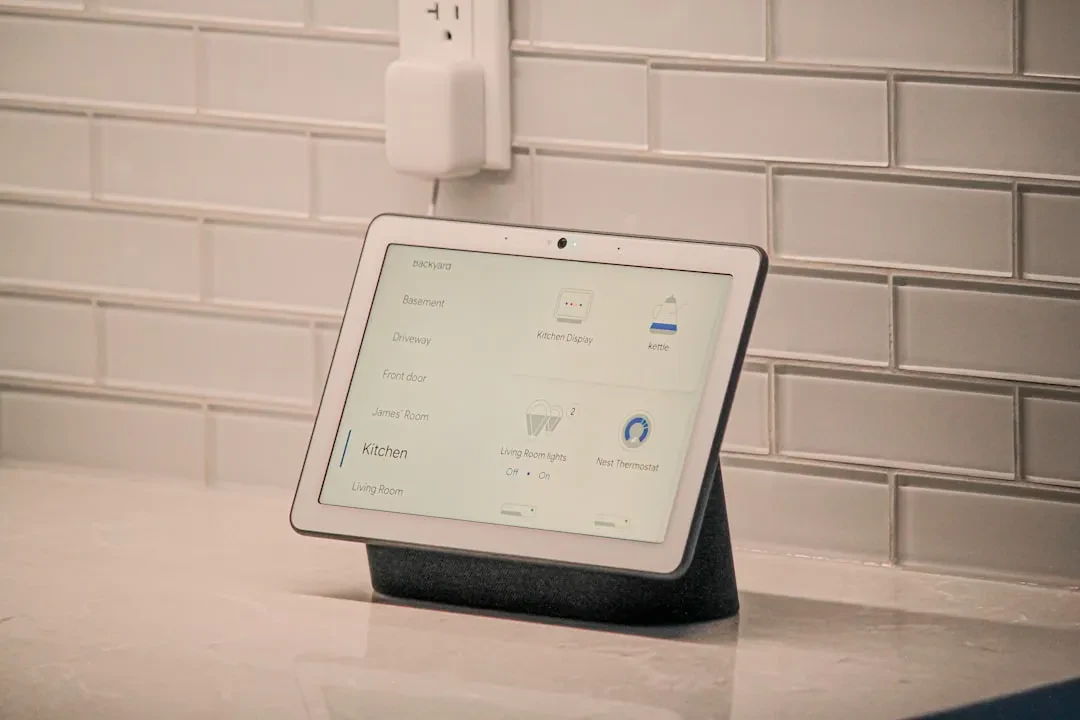
Google has released new SDKs and development tools that allow partners to integrate Gemini into any appliance, from thermostats to refrigerators. The difference from the past is the depth of contextual understanding. A Gemini-enabled device not only recognizes the phrase "turn on the lights" but understands the room, time of day, and user preferences. Interaction becomes conversational rather than based on rigid commands. According to estimates, the number of Gemini-compatible devices could triple by the end of the year.
The voice factor and user experience
New voice dictation features are at the heart of this strategy. Google has invested in improving speech recognition in noisy environments and generating more natural responses. The user can interrupt the conversation, change topics, and even speak in a fragmented way, as one would with a human assistant. But how willing are we to delegate thinking to artificial intelligence? A related article analyzes how Trump blocked the AI security executive order, highlighting the gap between technological innovation and regulation. Meanwhile, sectors like music are already experimenting with deep AI integration, as shown by the partnership between Spotify and Universal Music for fan-generated remixes and covers.
Sponsored Protocol
Privacy and trust in the smart home
With Gemini always listening, privacy becomes the Achilles heel. Google assures that basic commands are processed locally while complex requests are handled on the cloud with end-to-end encryption. However, the presence of always-on microphones in every room raises concerns. Transparency about collected data will be crucial to win over users. For more background on the model, consult the Wikipedia page dedicated to Google Gemini.
Sponsored Protocol
Future implications
If Google succeeds in making Gemini the operating system of the smart home, we will witness a radical shift in how we interact with domestic technology. No more apps and remotes but fluid conversations with a distributed intelligence. The implications for productivity, automation, and even elderly care are enormous. However, the path is fraught with regulatory hurdles and social acceptance challenges. The key will be balancing convenience with personal control.