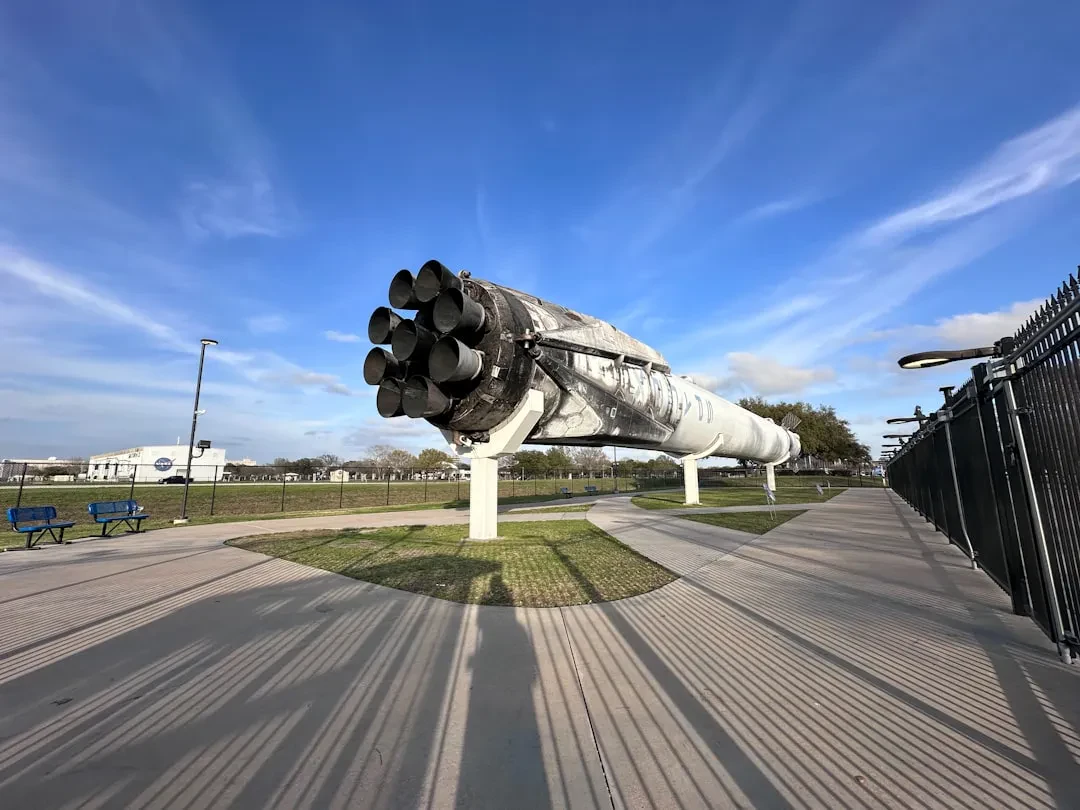
The steel giant remained motionless on the Texas launch pad as the countdown stopped seconds before ignition. SpaceX has officially scrubbed the inaugural launch of its most powerful rocket, the Starship V3, leaving engineers and enthusiasts holding their breath. The aerospace giant cited anomalies in the Super Heavy booster pressurization systems during the final countdown phases, forcing the team to declare a scrub. This is not a minor setback; it represents a critical moment for Elon Musk's strategy toward sustainable interplanetary presence.
The V3 represents a generational leap over previous prototypes. With an estimated payload capacity exceeding 300 tons to low Earth orbit and thrust far surpassing the Saturn V, this rocket is the cornerstone of NASA's Artemis program and the key to Martian missions. The technical complexity has increased exponentially: the new upper stage integrates optimized Raptor 3 engines for reliability and a more efficient liquid methane feeding system. Every test is an engineering lesson accumulated in SpaceX's database, and a stop like today's is considered physiological in such an aggressive development program.
Sponsored Protocol
Implications for the Global Space Schedule
Today's delay might seem trivial, but it has immediate repercussions. The next attempt is expected within hours, but each delay impacts the demonstration flight plan that must certify the V3 for commercial missions. The industry is watching closely because SpaceX is preparing for a possible initial public offering, as analyzed in our article SpaceX IPO: Elon Musk's Monarchical Control and the New Era of Founder Power. A spectacular failure could delay the IPO and affect investor confidence. Conversely, success would solidify SpaceX's position as a dominant player in space infrastructure.
Sponsored Protocol
This is not the first time cutting-edge technology has faced unforeseen obstacles. Recently, Waymo's robotaxis had to suspend service in four cities due to floods and construction, proving that even the most advanced systems struggle with real-world unpredictability. Read our deep dive on Waymo Suspends Service in Four Cities. The same holds for spaceflight: the experimental nature of Starship V3 demands maximum tolerance for scrubs, a reality engineers know well.
From a regulatory standpoint, the situation fits into a broader debate on technology oversight. While the Trump administration blocked the AI safety executive order, arguing that technology outpaces regulation, the space sector is still governed by strict federal laws. SpaceX operates under a Federal Aviation Administration license that requires detailed reviews of every flight. This balance between innovation and safety remains a hot topic, as we discussed in Trump Blocks AI Security Executive Order: Technology Outpaces Regulation.
Sponsored Protocol
Technical Challenges of the V3
The heart of the problem appears to be the Super Heavy booster's cryogenic fueling system. Sensors detected non-nominal pressure in the liquid methane tanks, triggering automatic safety protocols. The team attempted a quick reset, but the launch window expired. This type of anomaly is common in flight tests, but on a rocket of this size every detail is amplified. Engineers are now analyzing telemetry data to determine whether it is a design flaw or a simple operational irregularity.
To fully grasp the scale of the V3, consider that its diameter is 9 meters and total height exceeds 120 meters. The 33 Raptor 3 engines on the first stage generate a combined thrust of over 80 meganewtons. For context, the Apollo program's Saturn V rocket produced about 35 meganewtons. These numbers show why SpaceX is pushing hard to reuse the vehicle and lower costs per kilogram of payload. According to Wikipedia, the official Starship page, the project aims to make space travel economically sustainable.
Sponsored Protocol
Attention now shifts to the next launch window. If SpaceX can resolve the anomaly within hours, it could attempt a new countdown as early as tomorrow. But the priority remains vehicle and personnel safety. Every minute of delay is an opportunity to further test onboard systems. The world watches as Musk's company prepares to write the next chapter of space history.