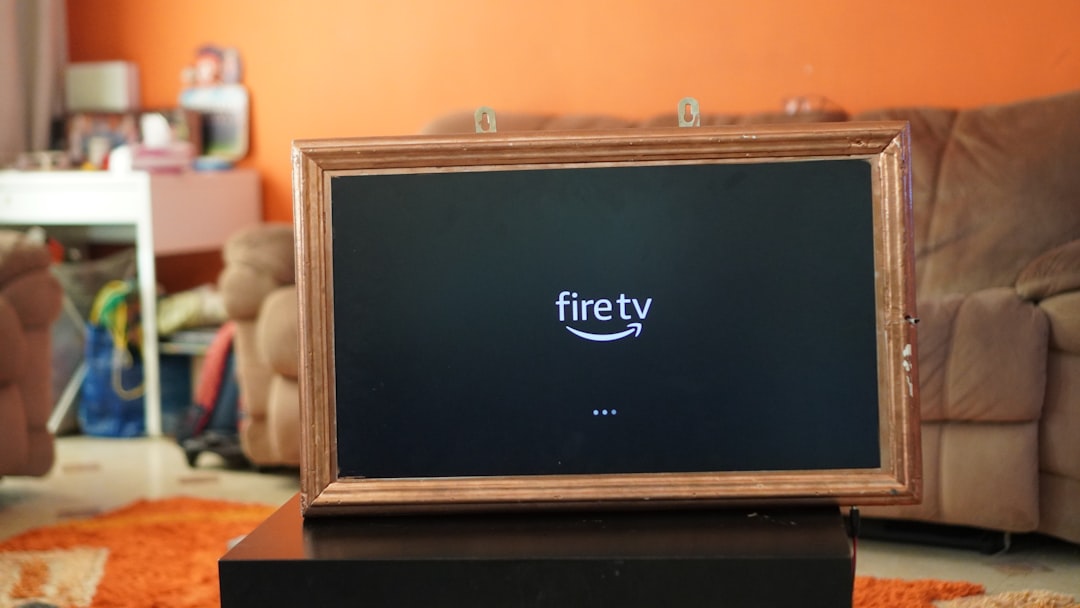
For over a decade, Amazon Fire TV Sticks have offered an affordable way to turn any television into a smart TV. The ability to sideload third-party apps via APKs made these devices particularly popular among users who wanted to customize their streaming experience. However, with the introduction of Vega OS, Amazon has drastically changed the rules, restricting sideloading and pushing many toward alternatives like Google TV.
Vega OS Replaces Fire OS and Blocks Third-Party APK Apps
Vega OS is a custom Linux-based operating system designed by Amazon for newer Fire TV Stick models, especially the "Select" line. Its stated goal is to deliver a more streamlined and performant experience optimized for media consumption. But for users, the reality is a loss of control. Support for APK files, which allowed installing apps like Kodi, SmartTube, or Plex outside the Amazon Appstore, has been removed. Vega OS now only supports the VPKG format, making sideloading nearly impossible. This means unofficial or third-party apps can no longer be installed, effectively ending years of flexibility.
Sponsored Protocol
Community Frustration: A Closed Ecosystem
Many long-time Fire TV Stick owners express disappointment with this move. The ability to sideload was a key selling point, enabling access to channels and media otherwise unavailable without a VPN. As seen in recent platform comparisons, real user experience often rewards flexibility, and Vega OS sacrifices it. Moreover, Fire OS's interface already faced criticism for clutter and sponsored content; Vega OS does not fix these issues and instead introduces new restrictions. Users report that while the system is less laggy, the cost in terms of freedom is too high.
Sponsored Protocol
Rising Alternatives: Google TV as the New Destination
Faced with this lockdown, many are considering switching to Google TV devices, such as the Google TV Streamer or the budget-friendly Onn 4K Pro. Although the initial cost is higher than a discounted Fire Stick, the freedom to install apps from any source and the lack of intrusive ads add significant value. For those unwilling to spend extra, TVs with built-in Google TV (Sony, Hisense, TCL) offer a native alternative without needing an external stick. In contrast, brands like Samsung and LG use Tizen and webOS, which impose similar restrictions to Amazon. According to Wikipedia, the original Fire TV was based on Android, but Amazon has progressively drifted away from Google's OS.
Sponsored Protocol
Keep Your Old Fire Stick: A Practical Tip
If you own an older Fire TV Stick (from 2019 or earlier), we recommend not upgrading. Older models with Fire OS still work and support sideloading. However, planned obsolescence is always a concern. For now, the best strategy is to resist updating and make the most of already installed apps. The new generation of sticks, while faster, is not worth the loss of customization.
Source: https://www.androidpolice.com/done-upgrade-fire-tv-sticks-after-amazon-killed-them