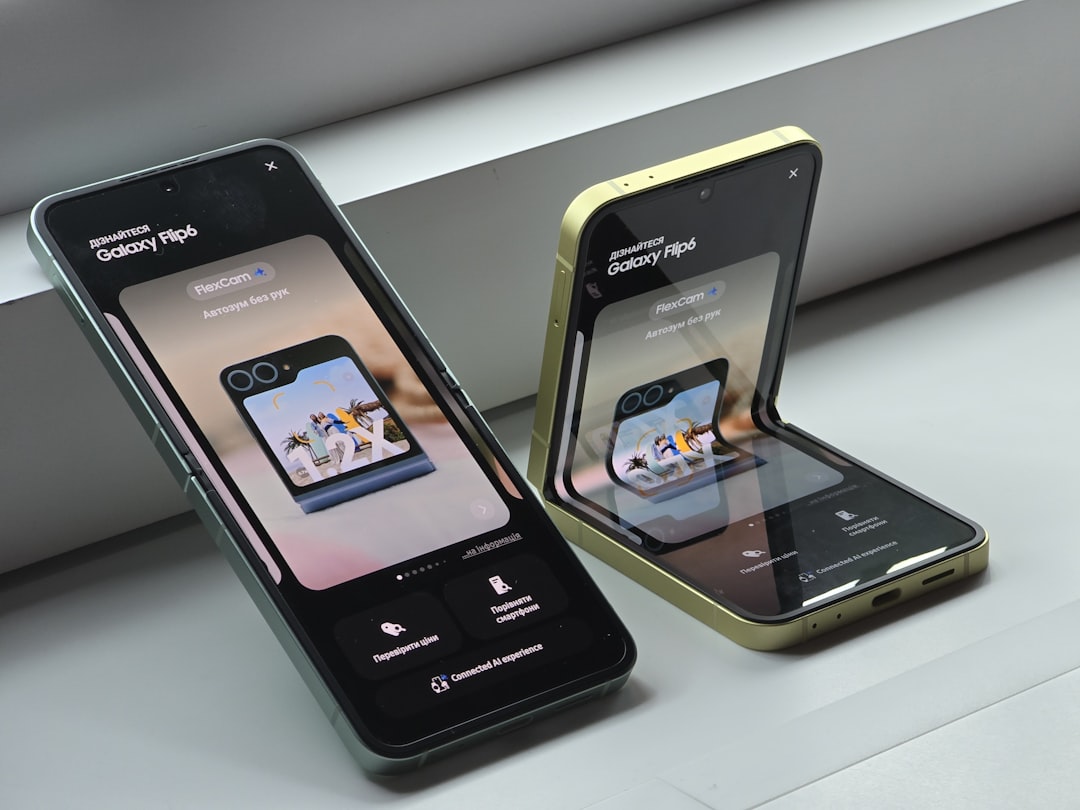
Google has officially released Android 17 and Wear OS 7, bringing a wave of innovation to the mobile and wearable world. The new operating system version focuses on advanced multitasking tools, strengthened parental controls, and cutting-edge security features. Simultaneously, the Pixel Drop has updated Pixel devices with the latest Gemini AI models, marking a decisive step toward a more integrated and predictive ecosystem.
The core of Android 17 is the multitasking revolution. The floating window mode has been redesigned to allow up to three simultaneous applications, with dynamic resizing and quick tab switching. Users can now drag text and images from one app to another seamlessly, a feature reminiscent of desktop experiences but optimized for touch screens. Google has also introduced a new side panel for recent apps, accessible with a long swipe, allowing users to launch activities in a window directly from the list of running apps.
Sponsored Protocol
Another major pillar of this release is the deeper integration with Gemini, Google's generative AI. Through the Pixel Drop, voice assistants become conversational: Gemini can now analyze screen content in real time, answer complex questions about open documents, and even generate summaries of web articles directly from the browser. The most striking novelty is the ability to ask Gemini to perform contextual actions, such as sending a message with a specific tone or creating a reminder based on a conversation visible on screen. This aligns perfectly with Wear OS 7's new capabilities, where the assistant becomes even more proactive on smartwatches.
Wear OS 7: a smarter and more autonomous watch
Wear OS 7 is no slouch. The wearable operating system introduces a new gesture-based launcher that learns user habits to quickly show the most used apps. Battery life has improved thanks to a new local AI processor that manages notifications and sensors without constantly contacting the cloud. Quick replies are now powered by Gemini: the smartwatch can suggest full sentences based on context, reducing the need for typing. Google has also added tools for mental health monitoring, such as break reminders and guided breathing exercises, all processed locally to ensure data privacy.
Sponsored Protocol
Security is another strong point. Android 17 introduces a new protection module against suspicious apps, analyzing runtime behavior using on-device models. Parental controls have been extended: parents can now set specific time limits by app category, receive detailed activity reports on their children, and even approve installations remotely. A feature called "Study Mode" blocks distractions during learning sessions, automatically triggered by calendar schedule or location.
There are also significant implications for the professional world. With Android 17, Google has improved notification management on large screens, such as foldable tablets and Chromebooks. The synchronized activity timeline across devices allows users to resume interrupted work on another screen without losing context. This is particularly useful in a landscape where devices like smartwatches and new AI wearables are trying to replace the smartphone, as highlighted by Qualcomm betting on over 40 AI wearables. The convergence between mobile and wearable operating systems is increasingly evident.
Sponsored Protocol
One aspect worth noting is data management. With the rise of local AI features, Google has reiterated its commitment to privacy, stating that most Gemini processing occurs directly on the device. However, questions remain about the control of sensitive data, especially in light of recent concerns about connected devices and privacy, such as those raised by the analysis on robot vacuum cleaners and data surrender. Europe is already watching closely, and the Italian antitrust authority recently launched an investigation into Apple's iCloud interoperability (see Italian Antitrust Challenges Apple), a sign that data regulation in the mobile world is a hot topic.
Sponsored Protocol
Ultimately, Android 17 and Wear OS 7 represent a significant step forward in integrating AI and multitasking. Google has listened to user demands, offering tools that boost productivity without sacrificing security. To explore the history of Android versions, one can check the Wikipedia page on Android. The challenge now is to keep this ecosystem open and interoperable, in a market increasingly fragmented between big tech and tightening European regulations.