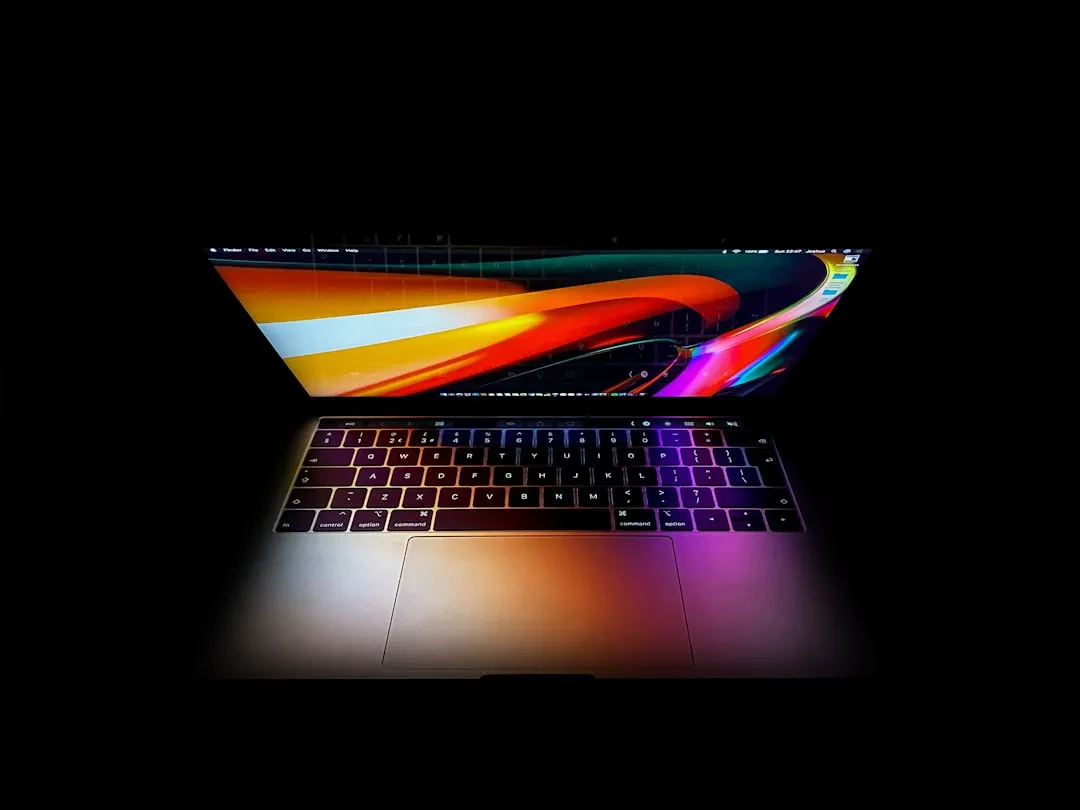
The Cupertino giant continues to demonstrate its resilience and innovative capacity in the highly competitive personal computer market. In the first quarter of 2026, Apple recorded a 9% growth in Mac shipments, a significant figure that clearly surpasses the overall PC market increase, which stood at 2.5%. This success is largely attributable to the launch of the revolutionary M5 MacBook Pro, introduced to the market towards the end of last year, which has managed to win over both critics and a broad consumer base.
The Power of the M5 MacBook Pro and New Offerings
Although Apple also updated its MacBook Air lines and higher-end MacBook Pro models, these latter interventions occurred very recently and are unlikely to have substantially influenced the Q1 2026 numbers. The real driving force came from the M5 model, which redefined standards of performance and energy efficiency, positioning itself as a benchmark for professionals and creatives. Apple's ability to continuously innovate its product lines remains a key factor in its sustained success.
Sponsored Protocol
Market Positioning and Global Share
With approximately 6.2 million Macs shipped, Apple consolidated its position as the fourth largest PC vendor globally for this quarter, an increase from 5.7 million in the same period last year. The top three positions are held by Lenovo, HP, and Dell, respectively, with considerably higher shipment volumes. However, Apple's market share has grown, moving from 8.9% in Q1 2025 to 9.5% in Q1 2026. This growth, though incremental, testifies to strong demand for Mac products in a fiercely competitive market.
Growth Factors and Future Outlook
According to analysis from IDC, a reputable authority in the technology sector, shipment growth during the quarter was fueled by two main factors. Firstly, concerns over rising component costs prompted many consumers to advance their purchases, seeking to take advantage of current prices before potential increases. Secondly, new product introductions, such as the M5 MacBook Pro, stimulated the refresh of corporate fleets and the interest of individual consumers. In this scenario, manufacturers capable of securing access to essential components, particularly memory, appear to be in the most advantageous position in a market context that, according to some projections, might see a slowdown in overall PC shipments. For further insights into the broader tech landscape, one might look at the evolving strategies of companies like OpenAI, whose advancements in AI also shape the future of computing.
Sponsored Protocol
It is important to note that IDC's statistics include traditional PCs like desktops, notebooks, and workstations, but exclude devices such as the iPad, which falls into the tablet category. The figures provided by IDC represent estimates, as Apple no longer publishes detailed data on its quarterly device sales. Apple's next earnings report, which will provide further details on financial performance, is expected on April 30. The Cupertino-based company continues to successfully navigate the complexities of the technology market, thanks to a solid product portfolio and a strategy focused on innovation and quality. Recent challenges in the launch of foldable products, while not directly related to Macs, underscore Apple's constant focus on ensuring maximum quality before introducing new technologies to the market.
Sponsored Protocol
Source: https://www.macrumors.com/2026/04/09/apple-mac-shipments-q1-2026