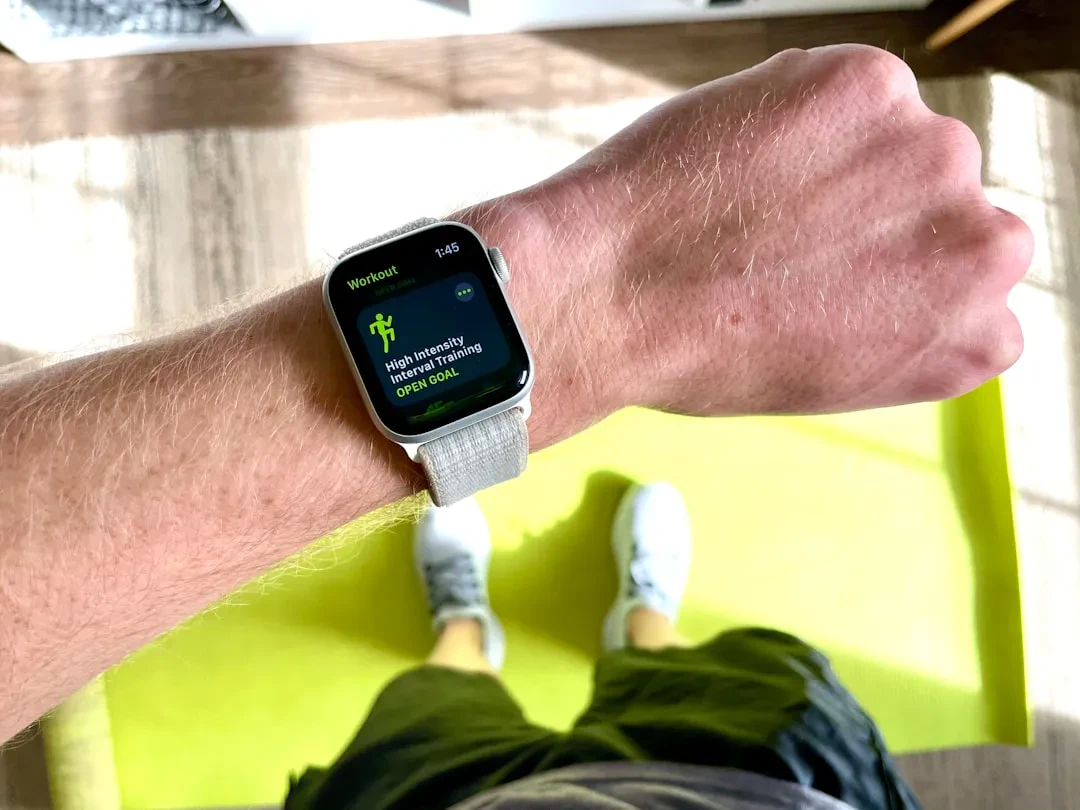
The Apple Watch is once again making headlines for two distinct but equally compelling developments: a new activity challenge to celebrate Global Running Day and significant updates on the long-awaited non-invasive blood glucose monitoring project. While the first event will engage millions of users in a global fitness competition, the second represents one of Cupertino's most ambitious health moonshots. Let us examine both stories through the lens of an expert following the wearable ecosystem.
Global Running Day 2026: The 5K Challenge
Apple has announced a new activity challenge for June 3, 2026, dedicated to Global Running Day. To earn the award, Apple Watch owners must record a running workout of at least 5 kilometers (3.1 miles) using the Workout app or any app that saves workouts to Health. Completing the goal unlocks a special badge in the Fitness app and animated stickers for use in Messages. This tradition started in 2024, following challenges for Earth Day and International Dance Day in April 2026. It is a clever way to unite the community and encourage outdoor physical activity, perfectly complementing watchOS 27 features such as satellite connectivity for adventurous runners. For a deep dive into the latest operating system updates, check out our dedicated article on the new Apple Watch features.
Sponsored Protocol
Blood Sugar Monitoring: A Moonshot with New Leadership
The other major topic is the dream of non-invasive glucose monitoring. According to Bloomberg's Mark Gurman, the project – in development for more than 15 years – recently changed leadership. Responsibility shifted from Tim Millet, head of platform architecture, to Zongjian Chen, a senior engineer overseeing advanced technologies. Many insiders view this transition as a positive sign: Chen is known as someone who delivers, and his appointment could ramp up development toward a consumer-grade offering. The technology, as described by Gurman, uses a laser to emit specific wavelengths of light under the skin to measure glucose concentration in interstitial fluid. An algorithm then determines the blood glucose level and might even alert users to potential signs of prediabetes. Despite the optimism, the Apple Watch is unlikely to gain this feature for several more years, if ever. However, if Apple eventually succeeds, the diabetic community could benefit from a far more comfortable and convenient monitoring method. For general background on diabetes, see this Wikipedia article.
Sponsored Protocol
These two stories – a short-term fun challenge and a long-term health revolution – showcase two sides of Apple's health strategy. On one hand, gamification encourages an active lifestyle; on the other, relentless R&D pursues hardware innovations that could change millions of lives. While the running challenge reminds us that regular physical activity is a key preventive measure, the glucose project aims to provide continuous monitoring for a condition affecting hundreds of millions worldwide. At a time when digital security and privacy are hot topics, as highlighted by recent major data breaches, Apple continues to build trust through features that blend entertainment and well-being.
Sponsored Protocol