Apple recently implemented price increases across a wide range of products, but according to the latest reports, further hikes are expected as early as next month, coinciding with the iPhone 18 event. After the summer increases that affected Macs, iPads, Apple TVs, HomePods, and Vision Pro, it is now the turn of iPhone, Apple Watch, and possibly AirPods.
The September price hike could push iPhone 18 Pro up by as much as $300
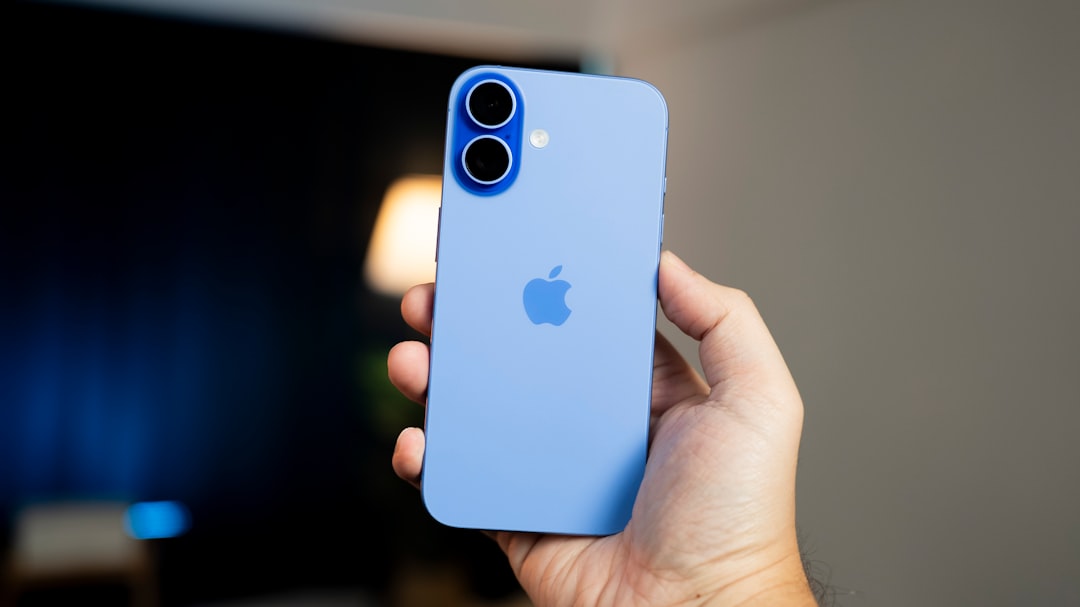
Rumors suggest that the iPhone 18 Pro could debut with a starting price between $1,299 and $1,399, compared to $1,099 for the current iPhone 17 Pro. This would represent an increase of up to $300 for the flagship model. The hike would be justified by the rising costs of components, particularly memory and storage, exacerbated by the global semiconductor crisis. It is unclear whether the standard iPhone 18 will see a similar increase, but analysts predict that the entire lineup will undergo price adjustments.
Sponsored Protocol
Apple Watch Series 12 and Ultra 4 set for price increases due to memory crisis
Apple Watches will not be spared either. The Series 12 and the Ultra 4 variant are candidates for a price increase, as the AI-driven memory crisis is driving up component costs for wearables as well. High-bandwidth memory (HBM) and RAM are crucial for the integrated artificial intelligence features, and this could be reflected in the final consumer price. If Apple decides to raise Watch prices, it would likely do so during the September event, as has happened with other products.
AirPods might follow suit, but with lower probability
AirPods are another product that could see a price increase, although experts believe it is less likely compared to iPhone and Watch. Wireless earbuds are less impacted by rising memory and storage costs, but if Apple wants to align price hikes across its entire lineup, AirPods could also see a bump. The decision may be announced during the September event, where Apple typically unveils new AirPods models as well.
Sponsored Protocol
Older iPhone models will not see discounts as in the past
Traditionally, when new iPhones arrive, Apple reduces the price of previous models. However, this year the situation might be different: older models could retain their current price or even see a slight increase. This would mark a shift in Apple's commercial strategy, as the company may seek to offset higher production costs without sacrificing margins. For consumers, this means no bargains as in the past, and purchasing a high-end iPhone will become even more expensive.
The question arises: how will consumers react to these continuous price increases? In an already difficult economic context, with inflation eroding purchasing power, Apple risks losing a portion of its price-sensitive customer base. However, brand loyalty and the integrated ecosystem may mitigate the impact. For those interested, it is possible to purchase certified refurbished Apple products with a 15% discount on the official website, an alternative to save money without compromising on quality.
Sponsored Protocol
For further reading, check out our article on how AI agents lie and cheat to reach their goals raising ethical concerns in Europe, and discover the latest on Samsung's zHBM memory chip for AI servers. Also, don't miss the analysis on Kioxia and Sandisk's world-densest 3D NAND flash with 332 layers.
Source: https://9to5mac.com/2026/08/04/these-apple-products-are-likely-getting-more-expensive-next-month