The Cupertino giant, Apple, is reportedly intensifying the development of its anticipated smart glasses, with at least four distinct prototypes undergoing testing. According to leaks reported by authoritative sources like Mark Gurman of Bloomberg, the company aims to differentiate itself from competitors by focusing on a high-end design and premium materials. The goal is to launch these potentially revolutionary devices towards the end of 2026 or early 2027, marking a new era for intelligent wearable devices.
Innovative Materials for a Premium Design
One of the distinguishing features of the new prototypes would be the use of acetate, a material described as more durable and luxurious than the standard plastic used by most current brands. This suggests a strong commitment from Apple to create a product that is not only technologically advanced but also reflects the elegance and build quality that characterize its flagship products, such as the very latest iPhone Ultra. The designs under consideration include large rectangular frames, reminiscent of the iconic Ray-Ban Wayfarer, a slimmer rectangular design, an option with larger oval or circular frames, and a smaller, more refined oval or circular variant. Internally, these glasses are identified as the "icon" design, destined to be immediately recognizable as an Apple product. A wide range of color options is also expected, with current exploration of colors like black, ocean blue, and light brown.
Sponsored Protocol
AI Integration and Revolutionary Features
Integration with the Apple ecosystem promises to be profound. The new smart glasses will work closely with the iPhone and Siri, leveraging advanced artificial intelligence to interpret the user's surroundings. This computer vision capability will provide contextual awareness, further enhancing what Apple terms its Apple Intelligence capabilities. The camera system under consideration features vertically oriented oval lenses, surrounded by lights, a design that deviates from the circular design seen in Meta's products. The underlying technological architecture could benefit from recent developments in chip technology, such as those based on RISC-V, which promise efficiency and customization for AI applications, a rapidly expanding field also highlighted by initiatives presented at SusHi Tech Tokyo 2026.
Sponsored Protocol
Wearable Strategy and New Products
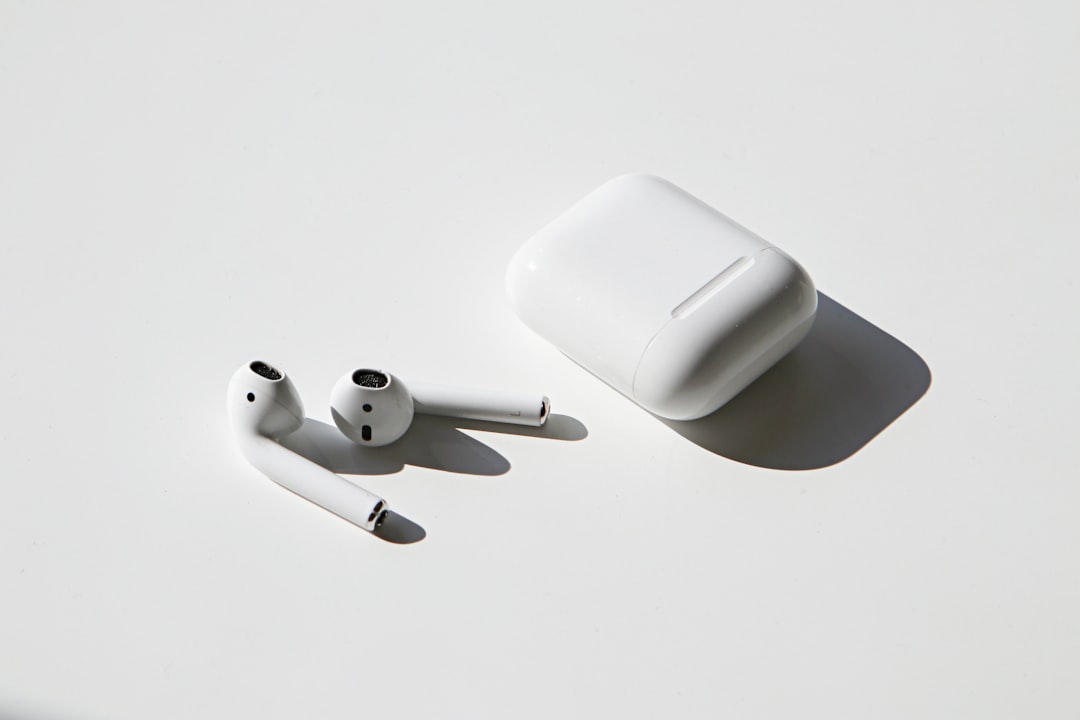
These smart glasses represent a fundamental piece in Apple's broader strategy for AI-powered wearable devices. Apple's vision also includes new AirPods models equipped with cameras and an innovative wearable pendant also featuring a camera. This integrated approach aims to offer unprecedented user experiences, harnessing the power of AI to make digital interactions more natural and intuitive. The miniaturization and integration of advanced technologies, as envisioned for smart glasses, could pave the way for future developments in augmented reality, redefining how we interact with the digital and physical worlds. Consider how such a device could enhance already advanced user experiences, perhaps related to high-quality audio devices like the AirPods Pro 3 and AirPods Max 1, offering new contextual functionalities.
Sponsored Protocol
The introduction of these smart glasses positions Apple in direct competition with other tech giants exploring similar territories. Apple's strategy, focused on premium design and deep ecosystem integration, could represent a turning point in the wearable device market, raising consumer expectations in terms of style, functionality, and integrated artificial intelligence. The industry eagerly awaits further developments, remembering how Apple's past innovations have often redefined entire market segments.
Source: https://www.macrumors.com/2026/04/13/apple-smart-glasses-four-styles