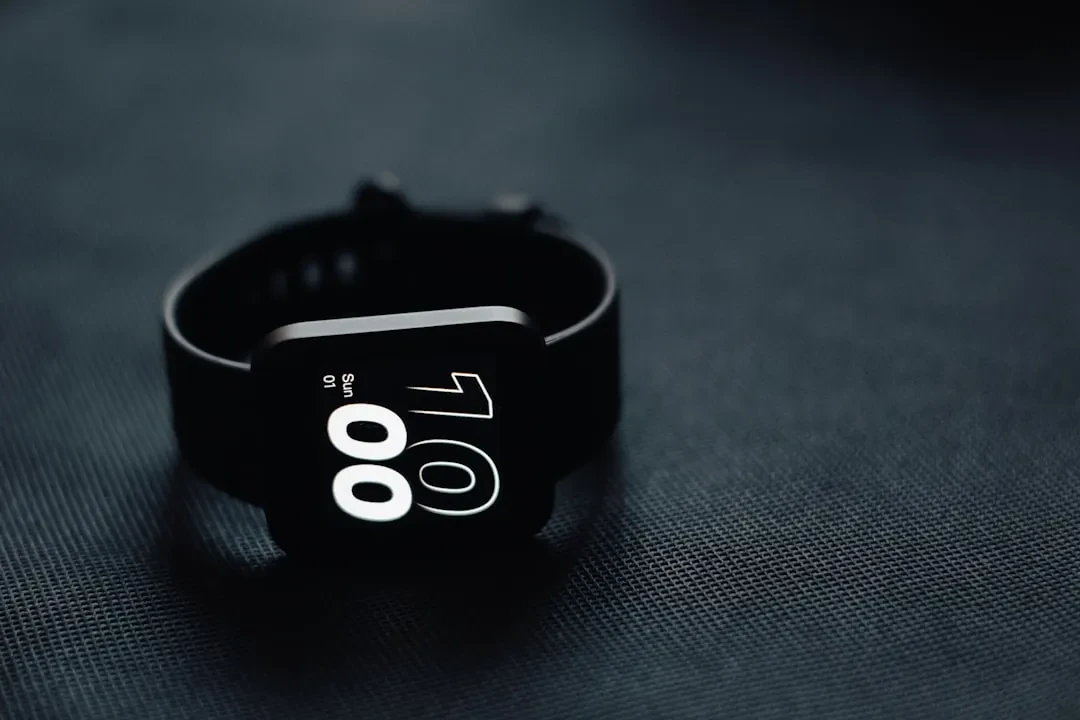
Are you tired of charging your smartwatch every single night? It is the most common complaint among Apple Watch users, a fantastic device shackled by a battery that rarely lasts beyond 36 hours. Over the past few months, however, the market has witnessed a surge in alternatives promising seven days or more of battery life without sacrificing advanced features. This is not only about endurance: these wearables offer heart rate tracking, GPS, sleep monitoring, and even built-in artificial intelligence. In this article, we explore the best options for anyone seeking a device that lasts a full week on a single charge.
The first brand that comes to mind is Garmin, a long-time leader in sports wearables. Models such as the Garmin Venu 3 or the Instinct Solar easily surpass seven days thanks to low-power MIP displays and integrated solar panels. The Venu 3, in particular, combines a beautiful AMOLED screen with a battery life of up to 14 days in smartwatch mode, an impressive feat. Garmin has also integrated very accurate health monitoring features like ECG and blood oxygen saturation, making them perfect for athletes and non-athletes alike.
Sponsored Protocol
Chinese Alternatives Conquering Europe
Another group of manufacturers to watch is the Chinese ecosystem. Huami, the company behind Amazfit, offers models like the Amazfit Balance or the T-Rex Ultra with battery spans ranging from 7 to 14 days. The secret lies in the use of optimized RISC-V processors and lightweight proprietary operating systems like Zepp OS. These devices not only last long but also offer excellent value for money, often under 200 euros. Moreover, many models support contactless payments and offline music playback. Voice assistant integration with Alexa is common, though the lack of an app ecosystem comparable to Apple's is a downside.
Xiaomi also offers impressive battery life with its Smart Band 8 Pro and Watch S3, reaching up to 10 days with a minimalist design. However, not all sensors are medically certified, so if you have specific clinical needs, it is better to stick with Garmin or Withings. Withings produces hybrid analog-digital devices like the ScanWatch 2, which lasts up to 30 days thanks to an e-ink display and classic design. These watches are ideal for those who do not want to sacrifice elegance while still receiving notifications and sleep tracking.
Sponsored Protocol
An interesting trend emerging from recent innovations is the use of artificial intelligence to optimize power consumption. Some devices, such as the OnePlus Watch 2, use a dual processor setup: one for heavy operations and one ultra-low-power core for basic tasks, extending battery life to over 100 hours. This hybrid approach is becoming a standard, and it may soon trickle down to cheaper models. To dive deeper into how AI is reshaping software agents, read our article on NewCore and AI agent identity.
How to Choose the Right Smartwatch for Your Battery Needs
When evaluating a long-lasting wearable, you need to consider several factors. The first is the display type: MIP (Memory-in-Pixel) screens are best for power saving but struggle in direct sunlight, while AMOLED is more vibrant but consumes more energy. The second factor is standalone GPS: if you use it for outdoor sports without a phone, battery life could be halved. Finally, connectivity: LTE and Wi-Fi drain power, so if you do not need them, choose a Bluetooth-only model. Most modern alternatives offer a good compromise: from the 7 days of a Huawei Watch GT 4 to the 14 days of an Amazfit T-Rex 2, and up to 30 days of a Garmin Instinct Solar.
Sponsored Protocol
A growing trend is the convergence of AI protocols with wearables. New models support standards like MCP and A2A to interact with intelligent assistants, a topic we covered in our piece on converging AI protocols. This means that in the future, we will be able to control home automation or receive predictive health analysis directly from our wrist, without heavily impacting battery life.
For those coming from an Apple Watch, switching to an Android-based device can be traumatic. Fortunately, many of these smartwatches are compatible with iPhones, though with reduced functionality (for example, you cannot reply to messages). If you own an iPhone and want long battery life, the best advice is to consider a Garmin Venu 3 or a Withings ScanWatch, which handle notifications and calls in a basic but effective way. Alternatively, the arrival of new models like the Pixel Watch 3 from Google (with a 4-day battery) shows that even software giants are focusing on endurance.
Sponsored Protocol
We must not forget cybersecurity. Wearable devices collect sensitive data such as heart rate and location. It is essential that manufacturers release frequent updates and that users adopt good practices, such as using strong passwords and disabling Bluetooth when not in use. For a comprehensive overview of social threats like phishing and deepfakes, we recommend our definitive guide to social engineering. A long battery is useless if your data is compromised.
In conclusion, the market for Apple Watch alternatives with seven-day battery life is richer than ever. Whether you are a runner, a fitness enthusiast, or simply someone who hates charging devices every night, there is an option for you. Models with a week of autonomy are no longer a dream but a tangible reality. Evaluate your priorities, try if possible, and get ready to say goodbye to the nightly charger. To learn more about energy storage and charging technologies, visit the Wikipedia page on smartwatches.
Source: https://www.engadget.com/2192635/apple-watch-alternatives-7-day-battery