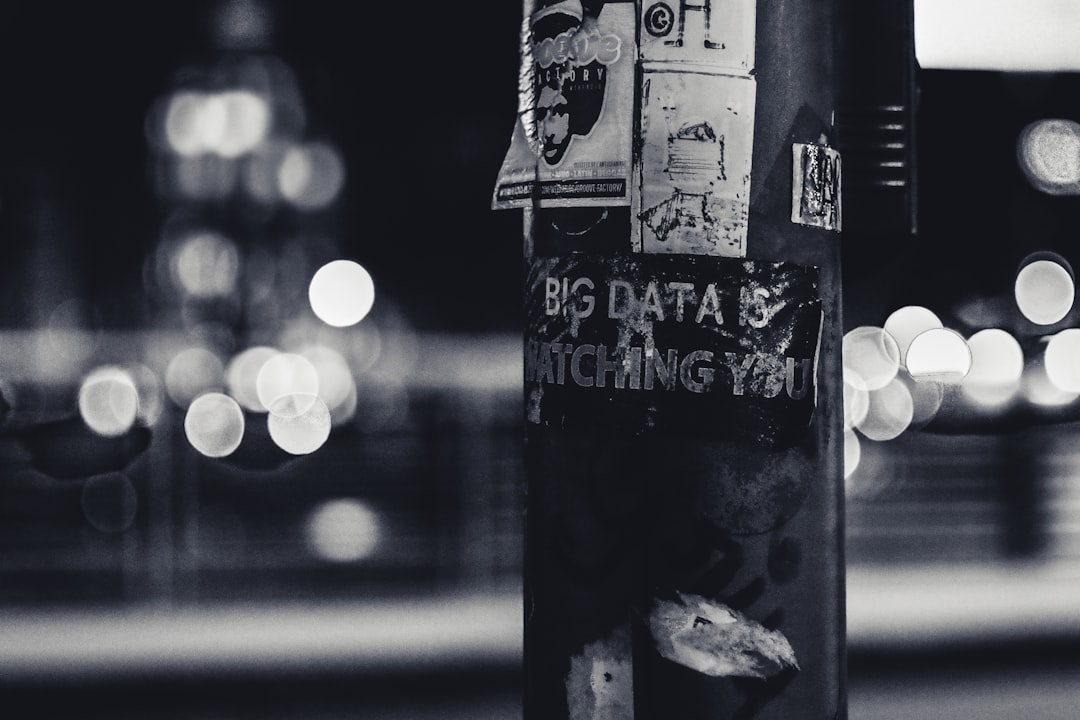
In the contemporary digital landscape, where privacy has become a rare and precious commodity, Apple has long positioned itself as an impregnable bastion in defense of its users' data. With innovative features and incisive marketing, the Cupertino company has successfully cultivated an image as a reliable guardian of our online lives. The 'Hide My Email' service, part of the iCloud+ offering, stands as a prime example, promising to shield users' real email addresses from third-party websites and applications. This is a commendable initiative, a significant step towards greater digital autonomy for the average individual, who finds themselves constantly bombarded with requests for personal data.
This feature, marketed as a means to curb incessant spam, invasive profiling, and potential data breaches, generates unique, random email addresses. These aliases then forward messages to the user's true inbox, effectively masking the underlying digital identity. It is an elegant solution, almost a panacea, for anyone wishing to browse the web with greater peace of mind, free from the fear that their email address will become a commodity in the vast market of personalized advertising or, worse, a gateway for phishing attacks and other cyber threats. Apple, in this context, emerges as a champion of privacy, providing tangible tools to reclaim a fragment of anonymity in cyberspace.
Sponsored Protocol
Yet, behind this impeccable facade of protection and confidentiality lies a more complex reality, a delicate balance between Apple's promise and the unavoidable demands of justice and national security. Recent reports have shed unequivocal light on this dichotomy, revealing that despite Apple's efforts to conceal our email from commercial entities, the same protection does not extend to legitimate requests made by law enforcement and federal agents. This revelation is not a surprise to industry experts, but it serves as a crucial warning to the general public, who are often unaware of the nuances that define privacy in the digital world.
Sponsored Protocol
Demands for Apple customer records by federal agencies, increasingly frequent in recent months, have underscored the inherent privacy limitations of email, even when mediated by services like 'Hide My Email'. These requests are not arbitrary but are based on court orders, subpoenas, or national security letters, legal instruments that compel technology companies to cooperate in criminal or counter-terrorism investigations. Faced with such legal injunctions, a company's position, even a giant like Apple, becomes extremely delicate. Non-compliance could result in significant legal penalties and an escalation of litigation, compromising its ability to operate in certain jurisdictions.
The point of friction lies in the fact that while email aliases obscure the real address from malicious actors or third-party trackers, Apple itself holds the keys to this correlation. The company knows which alias corresponds to which real user account. When a legal order is presented, Apple is required to provide the requested information, including the decryption of these aliases to reveal the underlying identity. This is not a betrayal of trust, but rather an inevitable consequence of managing a service that interconnects billions of users with the legal infrastructures of the countries in which it operates. The digital ecosystem, while offering an illusion of etherealness, is firmly rooted in the laws and regulations of the physical world.
Sponsored Protocol
The discussion extends beyond the mere technical mechanism of 'Hide My Email'. It concerns the very nature of digital surveillance and the perennial conflict between individual privacy rights and the imperative of collective security. Government agencies argue that access to data is essential to prevent crimes, identify terrorists, and protect the population. On the other hand, privacy advocates fear a progressive erosion of civil liberties and the creation of a pervasive surveillance state. Apple, like many other technology companies, finds itself at the heart of this debate, striving to balance its customers' expectations with its legal obligations and its own corporate social responsibility.
Sponsored Protocol
This scenario underscores an important lesson for every web user absolute privacy in the digital domain is a mirage. Every service, every application, every connection we establish online involves a certain degree of compromise. While tools like 'Hide My Email' significantly enhance our security and privacy posture against commercial entities, it is crucial to understand that they do not constitute an impenetrable armor against legal demands supported by state authority. Email, by its very nature, is intrinsically linked to identity and communication, making it a primary target for investigations. Awareness of these limitations is the first step towards more informed and, ultimately, safer navigation in the complex and ever-changing digital landscape.