In 2026, choosing between an OLED TV and an LCD with Mini-LED backlighting is more nuanced than ever. OLEDs remain the benchmark for contrast and deep blacks, but the latest LCDs close the gap with impressive brightness at lower prices. To decide whether the premium is justified, we need to examine the technological differences and real-world viewing needs.
OLED delivers absolute blacks and lightning-fast response thanks to self-emissive pixels
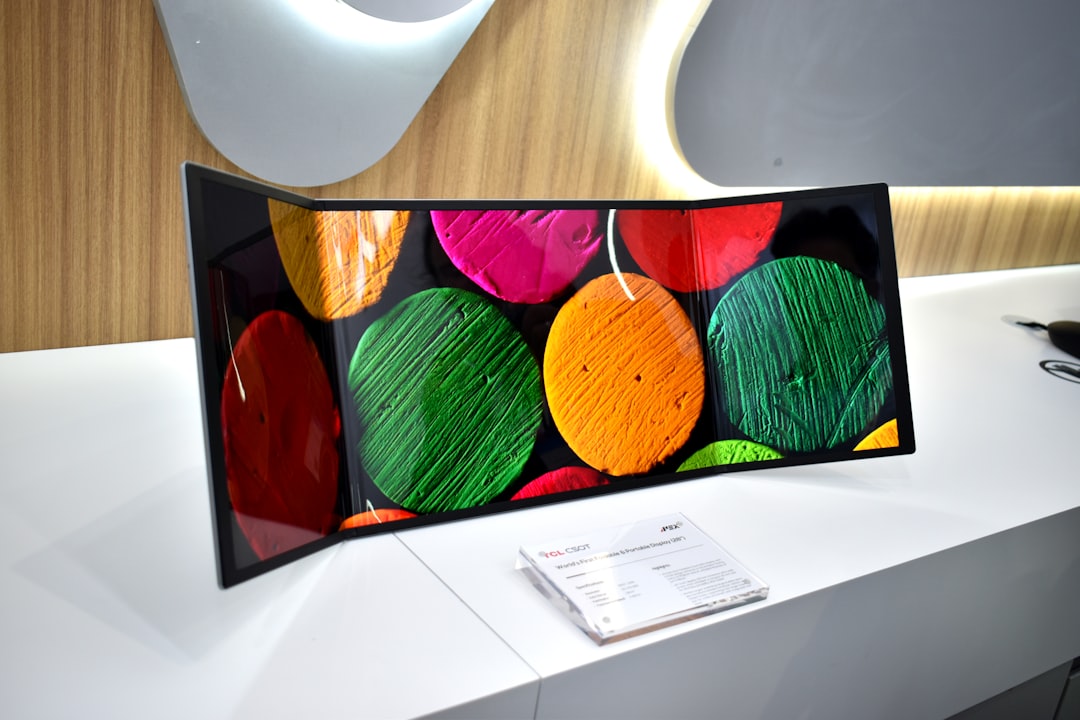
OLED (Organic Light Emitting Diode) screens work fundamentally differently from LCDs: each pixel produces its own light, allowing individual control of color and brightness. This means that to achieve perfect black, the pixel simply turns off, creating infinite contrast. Response times are nearly instantaneous, making OLED ideal for gaming and fast-paced sports. High-end OLED models, such as those unveiled at CES 2026, also include advanced operating systems and ultra-slim designs. However, this technology is more expensive to manufacture, which is reflected in the final price.
Sponsored Protocol
Mini-LED LCD narrows the gap with increasingly dense local dimming zones
Traditional LCD TVs use a separate backlight that illuminates large areas of the screen, limiting contrast. The introduction of Mini-LED technology has revolutionized the sector: thousands of tiny LEDs behind the panel allow much more precise local dimming, bringing image quality closer to OLED. LCD models with many local dimming zones offer deep blacks and excellent HDR performance without the risk of burn-in. Moreover, LCDs achieve higher peak brightness, making them superior in brightly lit rooms.
Sponsored Protocol
Burn-in is less of an issue now, but LCD still offers peace of mind for static content
Early OLEDs suffered from burn-in, the permanent retention of static images. Recent generations have mitigated this flaw but not eliminated it entirely. Those who watch many channels with fixed logos or play games with static HUDs may prefer an LCD for its durability. On the other hand, cinephiles and series enthusiasts seeking the ultimate image quality will find OLED superior. The choice ultimately depends on content type and viewing environment.
Sponsored Protocol
In summary, in 2026 the OLED premium is justified for those who demand maximum contrast and blacks, but Mini-LED LCDs are an increasingly valid and affordable alternative. According to a recent analysis on global tech gaps, even the Chinese market is pushing hybrid technologies. For strategic insights, read the article on China overtakes Europe in AI. Additionally, if you are considering a TV for gaming, data quality in enterprise AI projects is crucial: learn how poor data quality stalls generative AI. For a direct comparison with other display technologies, visit the original Engadget article.
Source: https://www.engadget.com/2213634/are-oled-tvs-still-worth-price-2026