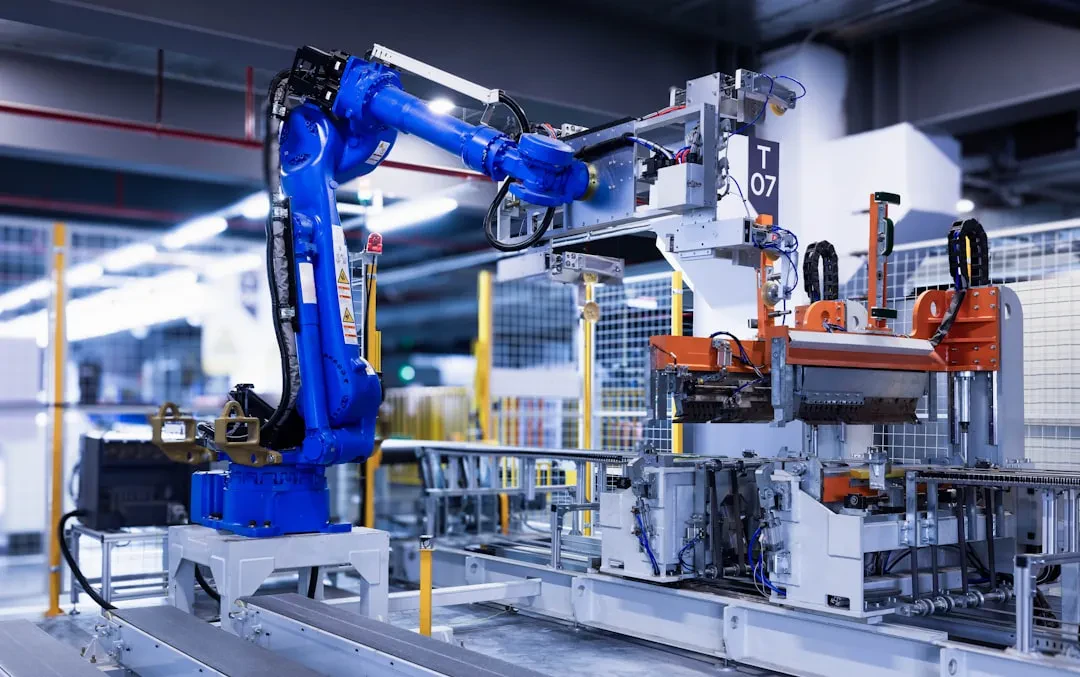
On July 17, 2026, MIT Technology Review reported on yet another leap by China in artificial intelligence. This isn't just another announcement of a larger model — it's proof that Beijing is accelerating while Europe debates regulation and bureaucracy. China has already moved beyond research: its Moonshot AI models are being integrated into production, manufacturing, and logistics at triple the speed of any European competitor.
Why this matters for Italian SMEs. Many are already struggling with digital transformation. The concrete risk is ending up in an ecosystem where those adopting Chinese (or American) AI scale, while those who lag behind disappear. We manage servers and write code every day — we measure the gap between the tools available in Italy (often crippled versions or English-only) and those used by global competitors. That gap widens every quarter.
Sponsored Protocol
The second issue is geopolitical: Chinese models don't comply with GDPR, lack transparency in training data. Using them exposes you to legal risks and tech dependency. But ignoring them means losing competitiveness. Europe, with its AI Act and slow pace, is building a golden cage. We believe it's time to break it open.
We at Meteora Web start from concrete facts: the tech gap is not inevitable — it's a political choice.
Our position is clear: Europe must stop regulating first and investing later. We need immediate public funding for vertical Italian AI — not generic platforms, but tools trained on our supply chain data: fashion, agri-food, mechanics. Every delay is a sellout of our digital sovereignty. We see it daily: companies forced to choose between Chinese tools (because cheap) or American ones (because they work), while the European alternative simply doesn't exist. We believe owning your stack beats renting it forever — but that requires an ecosystem. Today there is none.
Sponsored Protocol
What to do? If you're an Italian entrepreneur or developer, don't wait for Brussels. Start testing open-source models (like Mistral or Llama derivatives) on your own supply chain immediately. Apply for regional digital innovation funds — they exist but are underutilized. And demand transparency from your tech providers: knowing where your models are processed is not optional. We, as an agency, only integrate tools that guarantee data control and GDPR compliance — but we know it's a niche. If the course doesn't reverse, in five years we'll buy AI made in China just as we buy electronics today. And it'll be too late to protest.