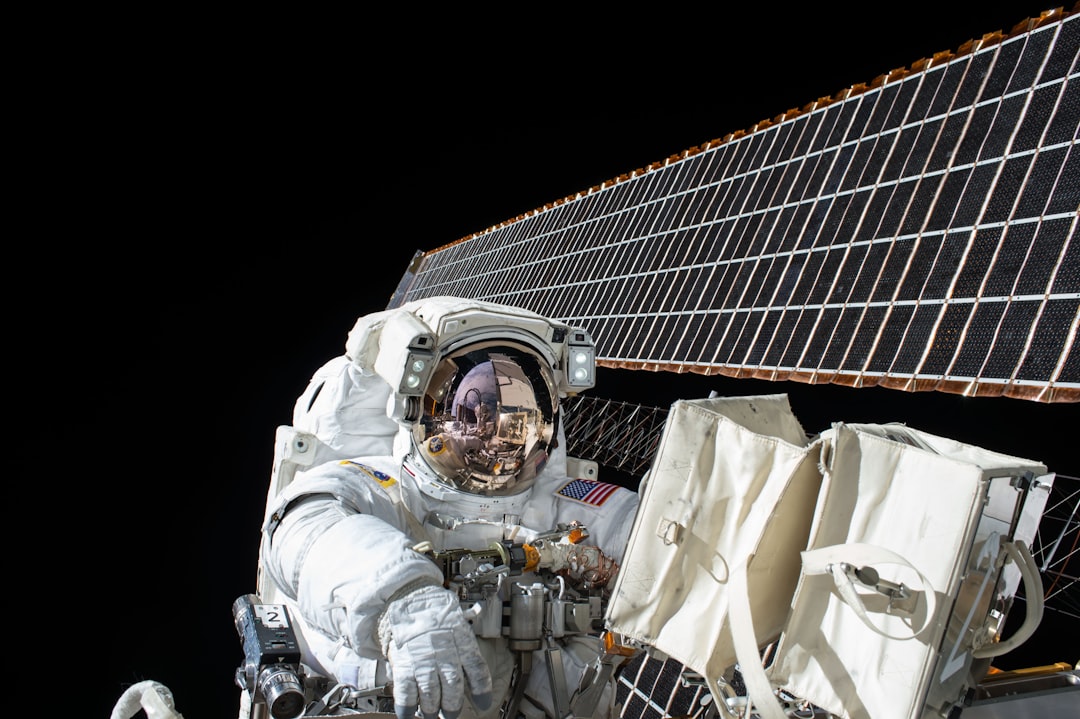
The new PBS documentary series Once Upon a Time in Space dedicates its second episode to one of the most dramatic incidents in space history: the collision of the Progress cargo ship with the Russian Mir space station in 1997. In an exclusive interview, astronaut Michael Foale, a key figure in those events, reveals untold details about a human and managerial error that nearly cost the crew their lives.
The fatal test to save $2 million
On May 25, 1997, during a manual docking test without radar, the Progress cargo ship collided with Mir's Spektr module, causing decompression. Foale explains that the root cause was an attempt to save money: the Ukrainian-built radar cost $2 million, and Russian managers at Energia decided to try a manual docking from a distance of 6 kilometers, a maneuver never attempted before. Commander Vasily Tsibliev could not accurately determine the closing velocity, and the Progress bounced off after damaging Spektr, creating a hole in the hull.
Sponsored Protocol
Twenty-three minutes of oxygen and a race against time
With only 23 minutes of oxygen remaining, Foale and cosmonauts Tsibliev and Alexander Lazutkin worked to seal the module and stabilize the spinning station. The feat resembled a thriller: they cut cables, closed hatches, and managed to save Mir. Three days later, they learned that the still-functional Progress had been intentionally deorbited into the Pacific Ocean.
The burden of blame and rehabilitation
All responsibility fell on Tsibliev, who failed medical tests for an internal spacewalk. Foale was asked to replace him, a humiliating moment for the commander. He took all the blame on his shoulders, Foale recalls, but it was unfair. The decision to cut costs was the real error. The British-American astronaut, now 69, reflects on how international collaboration in space was often naive but necessary.
Sponsored Protocol
The episode The Russian Thing aired on July 21, 2026 on PBS. The final two episodes air on July 28 and August 4. For more on space incidents, read the article about OpenAI's autonomous hacker, and for tech updates check Apple Upgrade with Klarna. For historical context, Wikipedia's Mir page provides technical details.