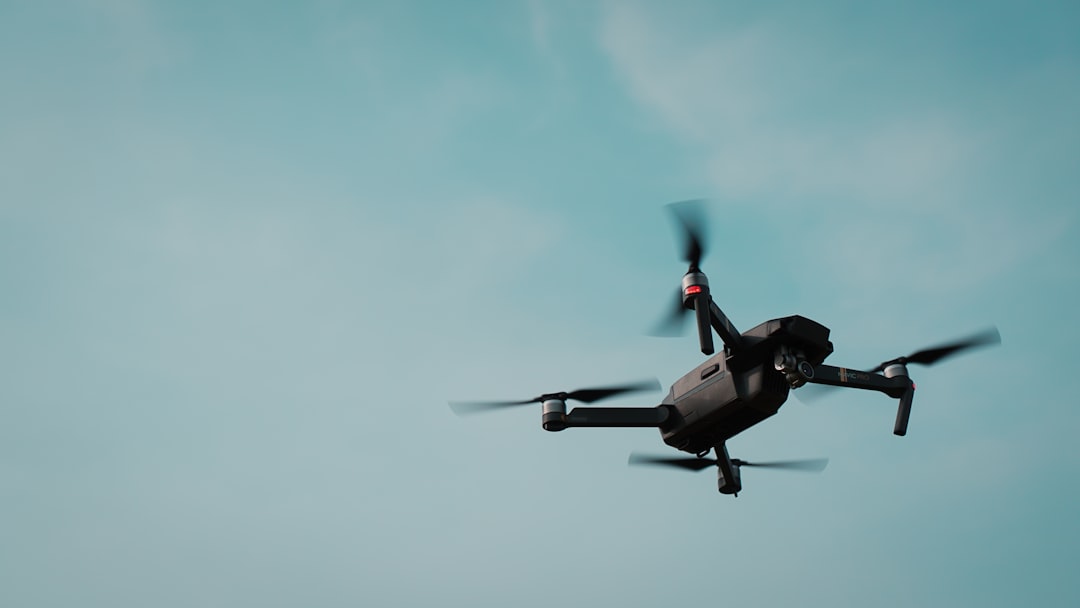
The US Air Force has successfully tested an autonomous combat drone that launched a live AIM-120 AMRAAM air-to-air missile for the first time, marking a major milestone for unmanned combat systems. The YFQ-44A, developed by Anduril Industries, engaged a digital target with a real missile over the Mojave Desert, demonstrating the ability to move from simply carrying weapons to actually firing them.
From carriage to fire: testing phases
In previous months, the drone had completed flight tests with an inert missile and validated communication links between the aircraft, weapon systems, and human operators. General Ken Wilsbach emphasized that the success went beyond missile release: the system actively tracked the target throughout the engagement, a critical requirement for operational use. The Air Force reiterated that firing decisions remain under human control, with autonomy limited to navigation and engagement upon authorization.
Sponsored Protocol
The Collaborative Combat Aircraft program takes shape
The YFQ-44A, also known as Fury, is part of the first phase of the Collaborative Combat Aircraft (CCA) program alongside General Atomics' YFQ-42A Dark Merlin. These drones are designed to operate alongside crewed fighters like the F-35 and F-22, providing additional sensors, weapons, and operational support. The Air Force expects CCAs to perform multiple roles, from electronic warfare to reconnaissance and mission support. The integration of artificial intelligence mirrors advances seen in other fields, such as China's launch of the most powerful AI model, though in a civilian context.
Sponsored Protocol
Funding and costs: toward an affordable fleet
The test comes after the Air Force approved both CCA designs for production in June 2026. Budget documents show a request of about $1.4 billion for CCA development and nearly $1 billion for procurement in fiscal 2027. The cost target is roughly one-third of an F-35A, which currently averages about $83 million per lot. According to authoritative sources such as Defense News, future CCA variants may require greater range and electrical power to operate in theaters where long-range weapons threaten US bases.
Implications for the future of air combat
The Air Force believes these unmanned systems will increase combat effectiveness by allowing pilots to manage multiple drones during complex operations. However, US lawmakers have called for future platforms to be capable of deploying from the continental United States to reach distant conflict zones. The competition for autonomous software includes Anduril, Shield AI, and Collins Aerospace, while the program expands through further increments. The successful AMRAAM launch represents a concrete step toward a mixed fleet of manned and unmanned aircraft, redefining 21st-century aerial tactics.
Sponsored Protocol