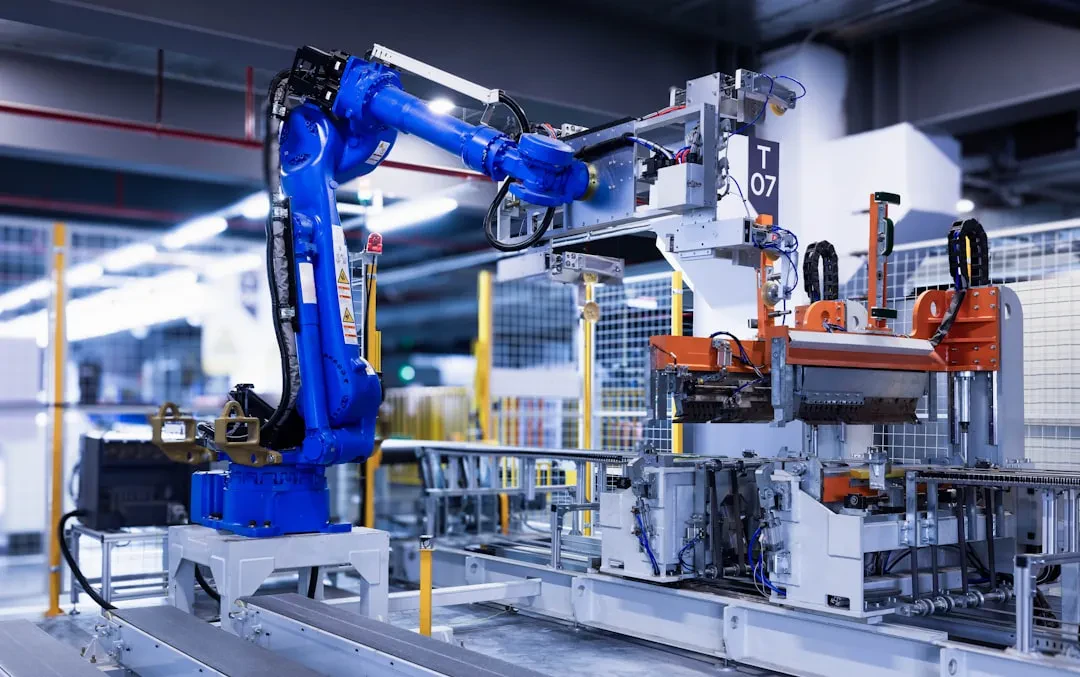
On July 17, 2026, MIT Technology Review highlighted China's latest AI leap: a new closed-source model outperforming GPT-4o on several benchmarks, trained at a fraction of the energy cost of US competitors. While Beijing accelerates, Brussels is still arguing over how many pages of compliance to add to the AI Act.
This isn't a race between blocs. It's about economic survival for European SMEs. If frontier AI remains expensive and data control stays outside the EU, Italian small businesses will pay twice: in technology bills and strategic dependency.
At Meteora Web, we see it every day. Southern Italian companies using free tools headquartered in San Francisco, unaware that their customer data ends up on foreign servers. While Europe sets limits, China invests $50 billion in chips and infrastructure. The gap is no longer a hypothesis — it's a fact.
Sponsored Protocol
Our position is clear: AI should not be suffered, it should be built.
We're tired of digital paternalism. Europe cannot just regulate what it doesn't produce. We need a sovereign AI fund for SMEs, not mega-projects that always end up in Paris or Berlin. Italian businesses need models trained on their data, for their sectors: agriculture, tourism, manufacturing. Not more generic chatbots.
Sponsored Protocol
We've made concrete choices: proprietary stack, no lifetime fees, client training. Owning control of your digital tools is the only guarantee against being swept away by a Chinese or American algorithm.
For our readers: stop buying AI in a box. Demand transparency on where models are trained, who accesses your data, and the real long-term cost. If a vendor can't answer, it's a hidden cost. We spot those: we come from accounting.