In the e-reader landscape of 2026, Amazon continues to dominate with its Kindle lineup, but choosing the right model is not always straightforward. I have personally tested every single Kindle currently available, from the compact entry-level Kindle to the premium Kindle Scribe, to provide you with a clear and definitive overview. Each device has its own strengths, but substantial differences emerge in terms of display, lighting, battery life, and extra features that can make a difference depending on your reading habits.
The base Kindle convinces with price and lightness, but the display is not uniformly backlit
The base Kindle, with its affordable price, is the perfect entry point for those approaching digital reading for the first time. It weighs only 158 grams and slips easily into a pocket, but the 167 PPI resolution makes text less sharp compared to higher-end models. Its lack of adjustable warm lighting makes it less suitable for nighttime reading, where blue light can strain your eyes. Nevertheless, its battery life of about six weeks on a single charge makes it a faithful companion for occasional readers.
Sponsored Protocol
The Paperwhite remains the best balance between price and quality with a 6.8-inch screen and IPX8 rating
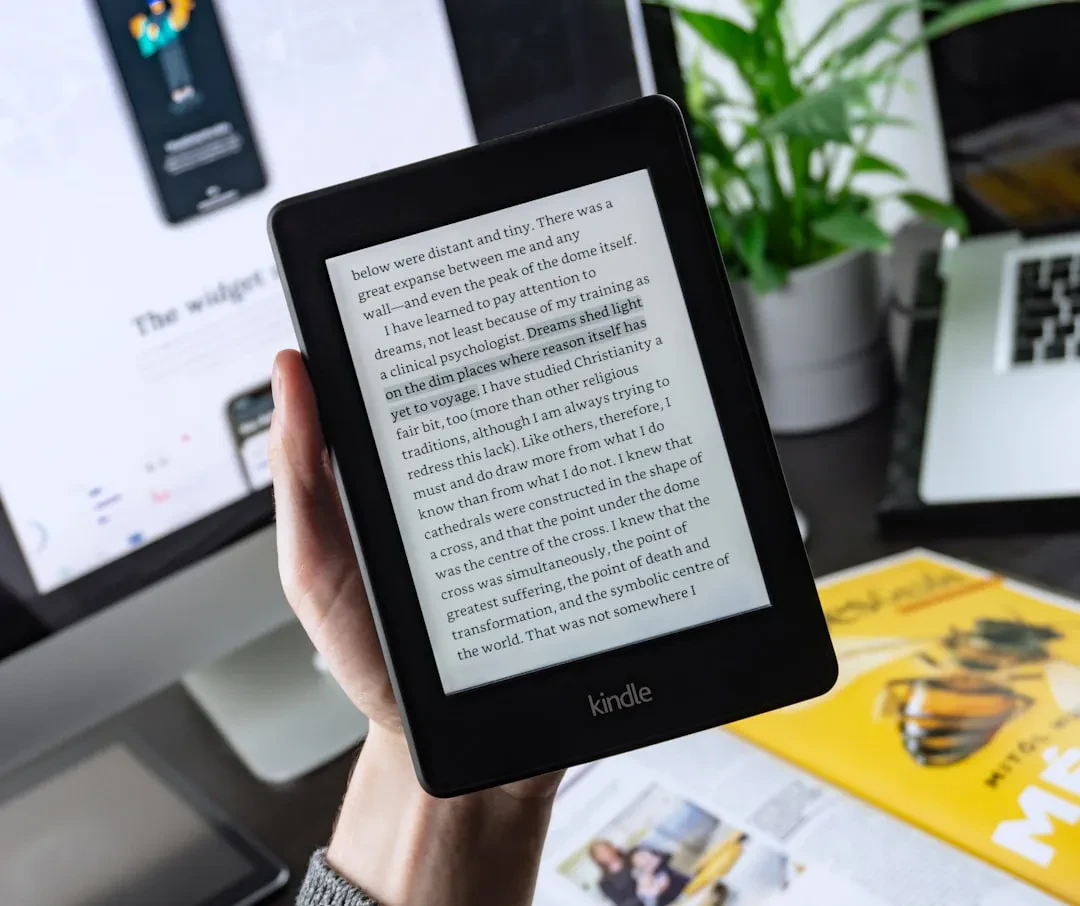
If I had to recommend a single Kindle to most people, I would choose the Paperwhite without hesitation. With its 6.8-inch 300 PPI display, it offers sharpness comparable to printed paper and a warm backlight that adapts to the ambient environment. The IPX8 certification makes it waterproof up to two meters for 60 minutes, so you can enjoy your favorite books in the bathtub or by the pool without worries. Additionally, the 8 GB (or 32 GB in the Signature Edition) storage is more than sufficient for thousands of ebooks, and battery life reaches ten weeks, a record in the category.
The Oasis offers the charm of physical buttons but its larger battery remains a weak point
For reading purists, the Oasis represents a forbidden dream. Its asymmetrical design with physical page-turn buttons evokes the tactile experience of old readers, and the 7-inch screen with automatic brightness adjustment is a true pleasure for the eyes. However, the high price and a battery that lasts about six weeks (compared to ten on the Paperwhite) make it a niche purchase. If you cannot do without the buttons and read for hours every day, the Oasis is the only one that offers that physical feedback that no touchscreen can replicate.
Sponsored Protocol
The Scribe transforms reading into writing but remains a hybrid product not for everyone
With its huge 10.2-inch screen and included stylus compatibility, the Kindle Scribe targets students and professionals who want to annotate their books or take margin notes. The writing quality is surprisingly fluid, and the ability to convert notes to digital text is a significant added value. However, its price of $339 and bulky size distance it from the concept of a pocket e-reader. If your primary goal is pure reading, the Scribe might be overkill, but if you are looking for a digital notebook that also houses your library, it is a fascinating solution.
Sponsored Protocol
Ultimately, choosing the best Kindle depends closely on your personal needs. The Paperwhite represents the best compromise for most users, while the base model is perfect for those on a budget who do not read at night. The Oasis is a desirable object for enthusiasts, and the Scribe opens new frontiers for those who want to combine reading and productivity. Do not forget that you can further enhance the experience with services like Kindle Unlimited or digital borrowing from local libraries, as we have explained in other articles such as our review of the Ventyra R1 for fast device charging. For a comparison with other brands, also read our test on 2026 e-readers where the Kobo Libra Colour challenges the Paperwhite. And if you are curious about Apple's latest news, check out the confirmation of camera AirPods. For a deeper dive into the history of e-readers, you can consult the Wikipedia page on e-readers.