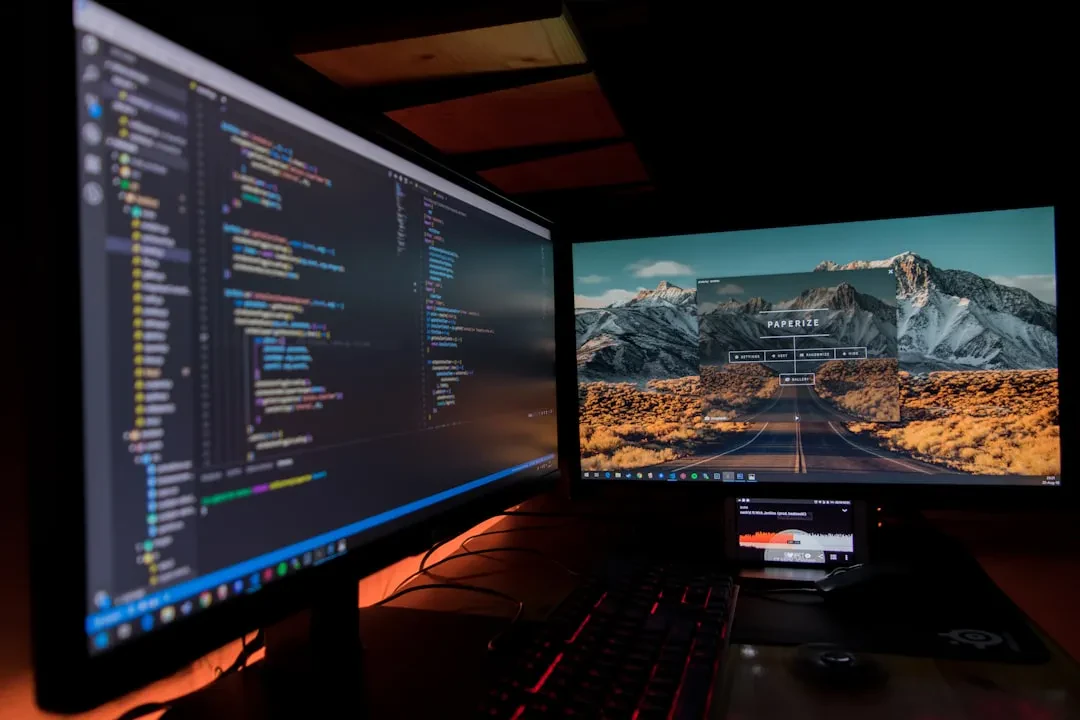
The Bing Wallpaper app, once praised for its ability to deliver stunning rotating background images for desktops, is now at the center of a controversy. Recent reports indicate that Microsoft has begun using the app not just for wallpapers, but also for full-screen promotions, effectively turning users' desktops into advertising space.
Surprise Movie Promotion on the Desktop
Numerous users have expressed their displeasure on platforms like Reddit, complaining that their custom wallpaper was replaced by a full-screen promotion for a collection of films related to the Harry Potter and Fantastic Beasts universe. This move has raised questions about Microsoft's transparency and advertising practices, especially considering that the Bing Wallpaper app is generally seen as a useful tool rather than an invasive promotional vehicle. Unlike other promotional content within Windows 11, such as OneDrive prompts, which some view as simply optional features, these new full-screen advertisements seem to have crossed a line.
Sponsored Protocol
Distinguishing Promotion from Invasive Advertising
While it's true that the Bing Wallpaper app has occasionally featured images tied to popular movies or Xbox games, the nature of these new promotions appears to be different. One cited example involves an image of Superman from the 2025 film, which, although movie-related, doesn't feature invasive promotional text. In contrast, the wallpaper in question displayed a collection of 11 films, with a clear 'AVAILABLE NOW' message overlaid. This distinction is crucial. While it's natural for fans to appreciate wallpapers linked to their favorite franchises, like Hogwarts or iconic characters, the inclusion of explicit promotional text directly on the wallpaper image is perceived as an intrusion. An image simply related to a movie, without text urging immediate purchase or viewing, might be considered more acceptable.
Sponsored Protocol
Monetization and Brand Reputation Impact
Microsoft needs to monetize its services, but implementing invasive advertising on the Bing Wallpaper app could prove counterproductive. The company risks damaging the reputation of one of the few elements of the Bing brand that is still widely appreciated by users. The idea of clicking to learn more about a movie after seeing an associated image is an acceptable form of promotion. However, large promotional banners appearing directly on the desktop, without a clear immediate opt-out, are less welcome. The Bing Wallpaper app, being optional, doesn't force users to see more ads within the operating system, but its reputation could suffer. This strategy, often described as 'penny wise, pound foolish,' risks eroding user trust in an otherwise well-received service.
Sponsored Protocol
The Future of Microsoft Apps and Advertising
The situation raises questions about the future of integrating promotional content into Microsoft applications. While monetization is essential, the balance between offering value to users and generating revenue must be carefully calibrated. The criticism directed at the Bing Wallpaper app could serve as a warning for Microsoft, encouraging a more subtle and user-experience-respecting approach in future advertising strategies within its products.