In the ever-evolving landscape of renewable energy, the search for portable and efficient solutions has become a priority. Bluetti, a name already known in the solar energy and battery storage sector, introduces its new Sora 500 solar panel, a device that promises high performance despite its extremely compact size. This article explores the features, strengths, and potential limitations of this innovative panel, analyzing how it positions itself in the market and what it means for users seeking a flexible and powerful energy option.
Unexpected Power in a Compact Format
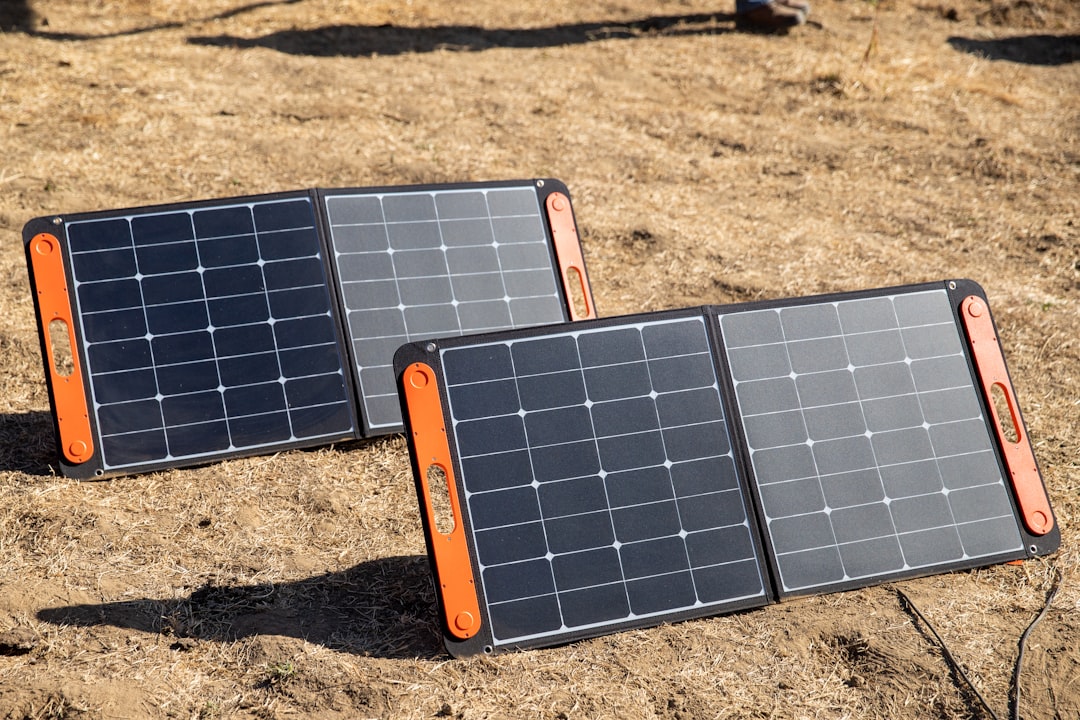
The Bluetti Sora 500 immediately stands out for its incredible compactness when folded. This characteristic makes it ideal for travelers, campers, or anyone who simply needs a solar power source that is easy to transport and store. But don't be fooled by its size; the Sora 500 is designed to deliver surprising performance. During testing, the panel regularly exceeded its rated power, a result not always guaranteed in the industry. This means that, even in non-optimal conditions, it is capable of generating more energy than stated, a tangible advantage for anyone relying on it to charge their devices or portable power systems.
Sponsored Protocol
Efficiency and Performance Even with Diffuse Light
One of the most interesting aspects of the Sora 500 is its good performance even in partial shade conditions. Many solar panels suffer a drastic drop in efficiency when not exposed to direct, uninterrupted sunlight. Bluetti seems to have successfully tackled this challenge by integrating N-Type TOPCon solar cells. This technology is known for its higher efficiency and better ability to handle variations in solar irradiance. The panel's overall efficiency is another point in its favor, ensuring that most of the captured solar energy is actually converted into usable power. This translates to faster charging times for connected batteries, making the entire system more responsive and effective.
Sponsored Protocol
Considerations on Performance and Design
Despite its many merits, the Bluetti Sora 500 also has some aspects worth noting. The panel is single-sided, meaning it captures sunlight from only one side, unlike bifacial panels that can also utilize reflected light. Furthermore, although its compactness is an advantage, the panel is heavier than some competitors of similar size. This could be a factor to consider for those with extremely stringent weight requirements. Another area where Bluetti could work is the opening and closing mechanism, described as somewhat tedious. While not an insurmountable obstacle, a faster and more intuitive system would further improve the user experience, especially in situations where speed is essential.
Sponsored Protocol
The Technological Context and Alternatives
Innovation in the field of portable energy is constantly bubbling. Solutions like these fit into a market increasingly attentive to sustainability and energy independence. The ability to generate power anywhere, from camping to a home emergency, is an invaluable added value. N-Type TOPCon cell technology, like that used in the Sora 500, represents a significant step forward in solar panel efficiency, a trend also reflected in other sectors of electronics, as shown by advances in AI applied to translation or the development of new hardware components. For those interested in the history of how technology has shaped our world, exploring the origins of computers and computer networks can offer a fascinating perspective, as told in articles about the silent giants and the hidden geniuses behind the first computer networks.
Sponsored Protocol
Our Publication Thinks That...
The Bluetti Sora 500 presents itself as an extremely valid solution for those seeking a portable solar panel without significant compromises on power. Its ability to generate more energy than expected and to function decently even in non-ideal conditions makes it a reliable companion for outdoor adventures, power backups, or simply for those who want to make the most of solar energy on the go. Although the weight and folding mechanism may represent minor drawbacks, the benefits in terms of performance and overall compactness far outweigh these considerations. It is a clear example of how technological innovation, such as the adoption of N-Type TOPCon cells, continues to push the limits of what is possible with small-sized devices, opening new possibilities for sustainable energy.
Source: Original