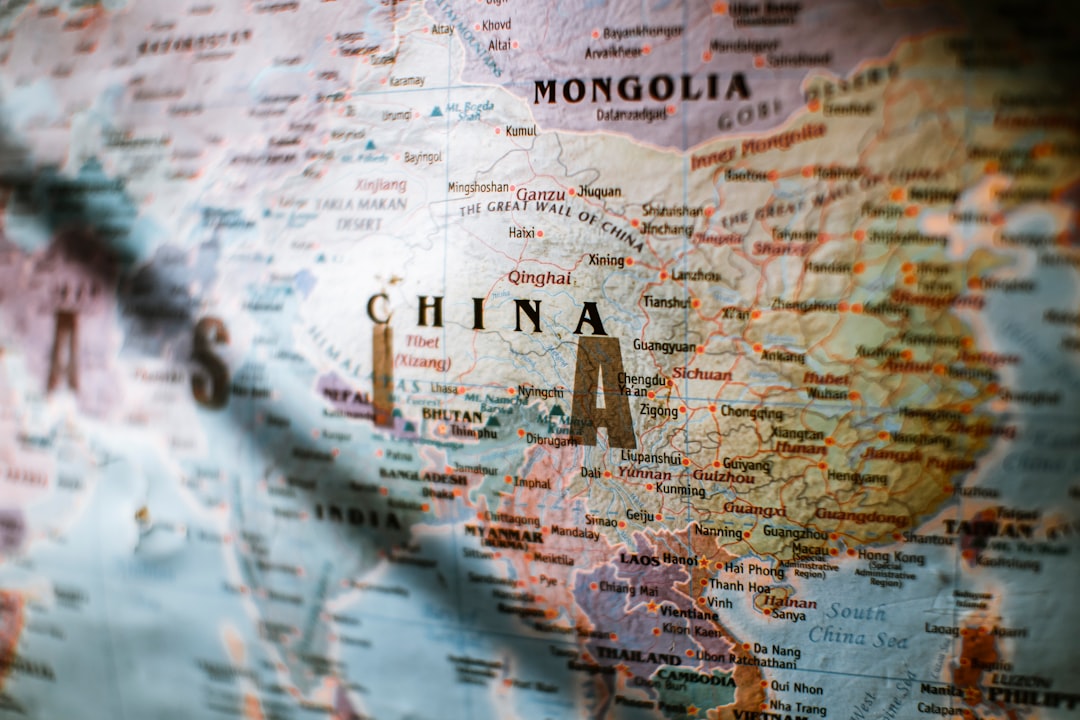
On July 17, 2026, MIT Technology Review highlighted two stories: perimenopause misinformation and China’s latest AI breakthrough. We’ll focus on the latter. China just unveiled a new model — dubbed ‘Moonshot AI’ — that matches GPT-5 on benchmarks with 40% lower training costs. Official sources confirm a $15 billion state investment, part of which subsidizes adoption by Chinese SMEs at political prices.
Why it matters. While Europe debates deepfake watermarking (necessary, but slow), Beijing builds infrastructure. Moonshot AI is already available on Chinese cloud providers at one-tenth of OpenAI’s pricing. For an Italian company integrating AI into a management software, the choice today is: pay in dollars for US APIs, or rely on Chinese stack with all the geopolitical dependency risks. The European alternative? There isn’t a scalable, SME-accessible option yet. PNRR funds for AI are crumbs compared to Xi Jinping’s billions.
Sponsored Protocol
Our position is clear: Europe cannot afford to be just an AI consumer. We, at Meteora Web, see it daily in our clients’ projects: a company using ChatGPT for customer service doesn’t own its data, doesn’t control the model, and pays a foreign-currency subscription. It’s the same model we’ve always criticized — renting technology without owning the stack. China is doing the opposite: investing to own, to cut costs, to give its entrepreneurs sovereign tools. Meanwhile, Europe writes regulations. Both are needed, but without a stack there’s no digital sovereignty.
What to do? For readers — entrepreneurs or developers — the first step is to understand where your data goes when you integrate external AI. If the model is Chinese or American, ask: who owns the weights? What will it cost in two years? Then, push trade associations to make the next European call fund not another training course, but public European AI cloud infrastructure. Here in Sciacca, we chose Laravel and our own servers to avoid lifetime rental fees. The same principle applies to AI: better an open-source model on an Italian server than a paid API that may triple its price tomorrow.