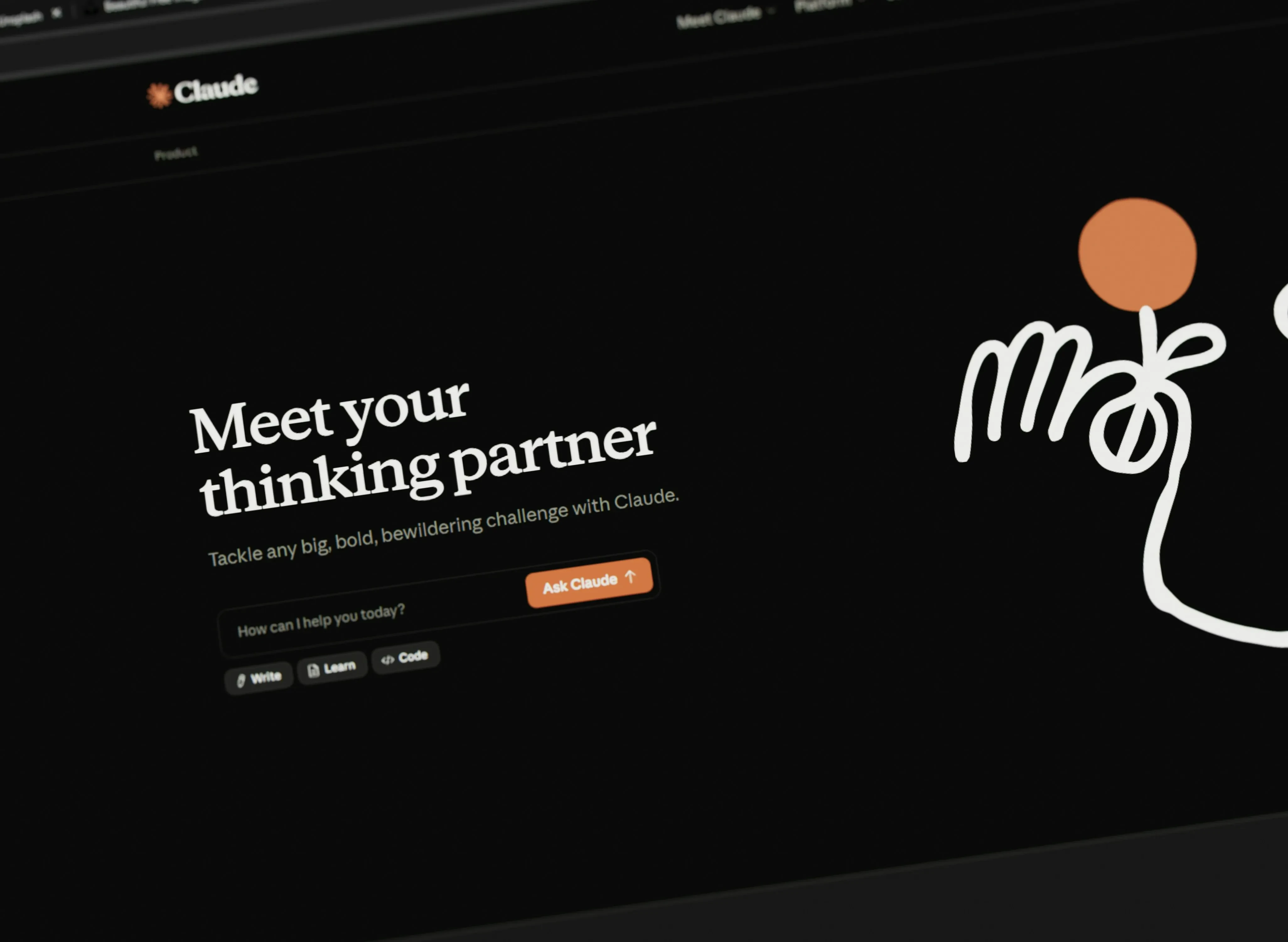
Claude Expands into Creative Sectors: Connectors for Professional Software
Anthropic has recently announced the launch of a suite of connectors specifically designed for Claude, its advanced artificial intelligence model. This strategic innovation allows Claude to integrate directly with some of the most popular and professional creative software on the market. The goal is clear: to equip artists, designers, and content creators with AI-powered tools capable of operating directly within their usual work environments.
Among the software set to benefit from this integration are Adobe Creative Cloud, an ecosystem of applications ubiquitous in the world of graphic design and video editing; Affinity, another suite of professional graphic tools; and Blender, the powerful open-source software for 3D modeling and animation. Joining these are Ableton Live, the de facto standard for electronic music production, and Autodesk's suite, the undisputed leader in design and engineering.
Sponsored Protocol
Expansion in Design and Creative Production
This move represents a further step forward for Anthropic in its ambitious project to penetrate the digital creative sector. Just a few weeks ago, the company launched Claude Design, a version of its model specifically focused on the needs of designers. The introduction of these connectors exponentially amplifies Claude's capabilities, transforming it from a conversational chatbot into a creative assistant deeply integrated into workflows.
Implications for Creative Workflows
The introduction of connectors that allow Claude to interact directly with software like Photoshop or Blender promises to revolutionize how professionals interact with artificial intelligence. Instead of having to copy and paste content or constantly switch between applications, users will be able to ask Claude to perform complex tasks within the software itself. For example, a designer could ask Claude to generate variations of a logo directly within Adobe Illustrator, or an animator could use Claude to create scripts or suggest scene ideas within Blender.
Sponsored Protocol
This level of integration not only aims to improve efficiency by reducing downtime and simplifying otherwise laborious processes but also opens up new frontiers for creativity. Claude's ability to access and manipulate data within these professional environments could lead to the birth of new artistic techniques and innovative solutions that are difficult, if not impossible, to imagine today. Human-machine collaboration reaches a new peak, with AI acting as a true creative co-pilot.
The Future of AI in Creative Industries
Anthropic's initiative is part of a growing interest in applying artificial intelligence to creative sectors. Many tech companies are exploring ways to make AI a more accessible and useful tool for artists, musicians, game developers, and other creative professionals. The main challenge lies in creating interfaces and integrations that are not only technically sound but also organically adapt to existing work methodologies, without disrupting the creative flow or introducing unnecessary complexity.
Sponsored Protocol
Claude's connectors seem to aim precisely at this challenge. By allowing AI to operate behind the scenes, within the tools that creators know and love, Anthropic is seeking to lower the barrier to entry for using advanced AI. The potential is enormous: from the automatic generation of graphic assets and music to the revision and improvement of existing work, and even assistance in writing code for visual effects or video games. The future of digital creation may well be characterized by an ever-closer and more fluid collaboration between human and artificial intelligence, powered by integrated and intuitive tools.
Sponsored Protocol