A Crucial Debate on Privacy and Security
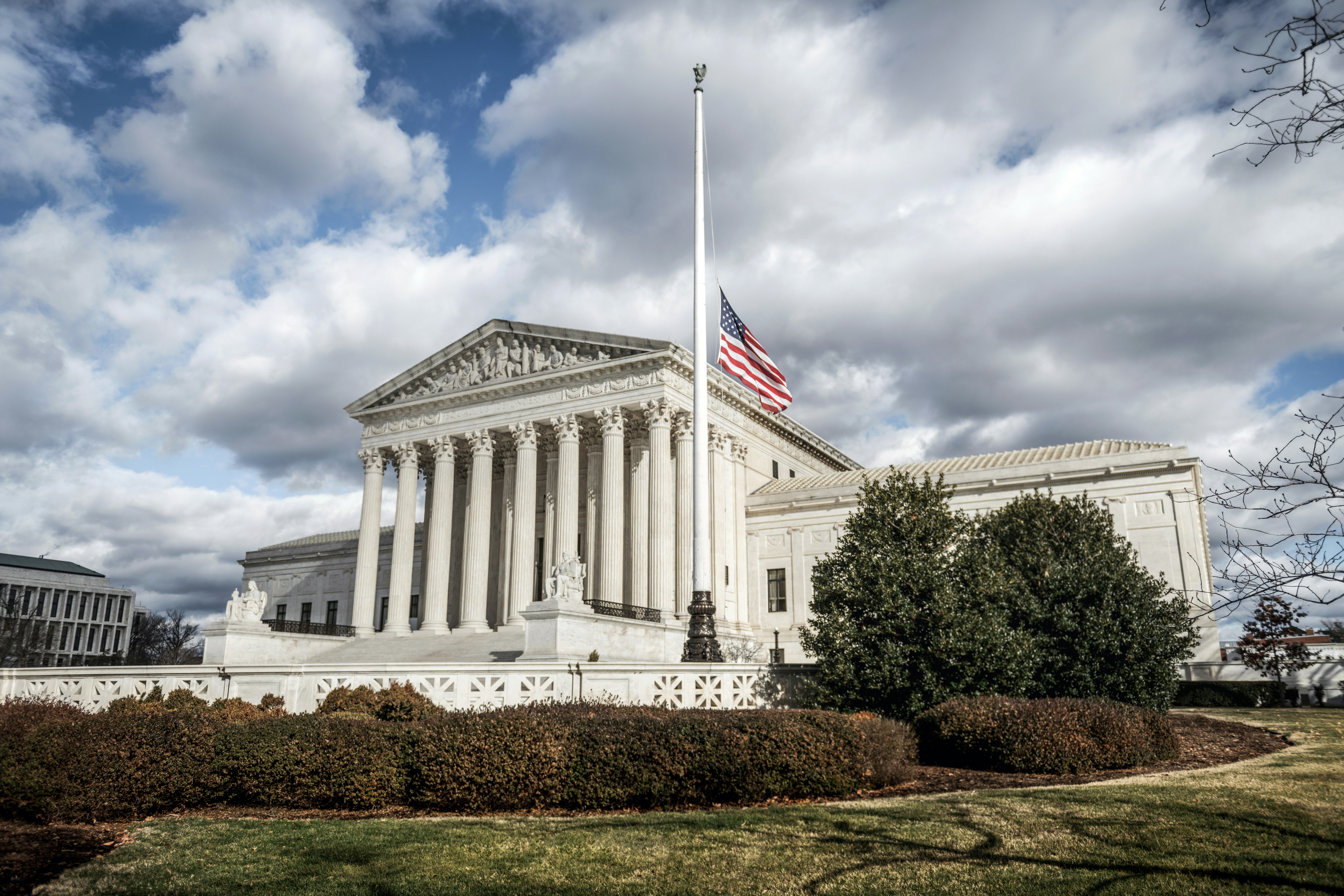
The U.S. Supreme Court is grappling with a landmark case that could redefine the boundaries between government surveillance and citizen privacy in the digital age. At the heart of the issue is the controversial use of geofence warrants, an investigative tool that allows law enforcement to obtain aggregated location data from tech giants' databases to identify potential suspects within a specific geographic area. Arguments in court revealed an apparent split among the justices, suggesting an uncertain future for this practice.
What is a Geofence Warrant?
A geofence warrant, also known as a reverse location warrant, operates differently from traditional location warrants. Instead of asking a company to provide the location data of a specific individual, police use a geofence warrant to define a geographic area of interest and request the company to provide a list of all devices that were within that area at a given time. This method is often used in investigations of serious crimes, such as homicides or robberies, where a perpetrator is suspected of being at the crime scene. The aim is to identify anyone present and, through further analysis, narrow down the focus to suspects. This technique is particularly useful when there is no specific suspect initially identified.
Sponsored Protocol
The Technicality of the Chatrie Case
The specific case before the Supreme Court involves Abdulhakim Chatrie, accused of child exploitation offenses. The prosecution used a geofence warrant to retrieve location data from Google, with the goal of identifying whether Chatrie's phone had been present in the area where the alleged abuse occurred. While the intent is to bring perpetrators to justice, civil liberties advocates and defense attorneys raise serious concerns about the scope and intrusiveness of this method. The possibility of accessing the data of thousands of innocent users, simply because they were in the same place at the right time, is viewed as a disproportionate infringement on privacy.
Concerns Over Privacy and Mass Surveillance
The implications of a widespread approval of geofence warrants are profound. Critics fear that this tool could facilitate a form of mass surveillance, where the activities and movements of ordinary citizens could be monitored without just cause. Unlike traditional warrants that require specific probable cause for an individual, geofence warrants rely on a broader approach, collecting data from a large number of people to find one or a few. This raises fundamental questions about the protection afforded by the Fourth Amendment of the U.S. Constitution, which protects citizens from unreasonable searches and seizures.
Sponsored Protocol
The Balancing Act Between Security and Liberty
During oral arguments, the justices expressed a range of concerns, reflecting the complexity of balancing the need for effective law enforcement tools with the fundamental right to privacy. Some justices voiced skepticism about the necessity of such warrants, while others sought to understand how the technology could be used in a way that minimizes the impact on the privacy of non-suspects. The Supreme Court's decision will have a lasting impact on how law enforcement agencies can utilize technology for criminal investigations and on the future of personal data privacy in America.
Sponsored Protocol