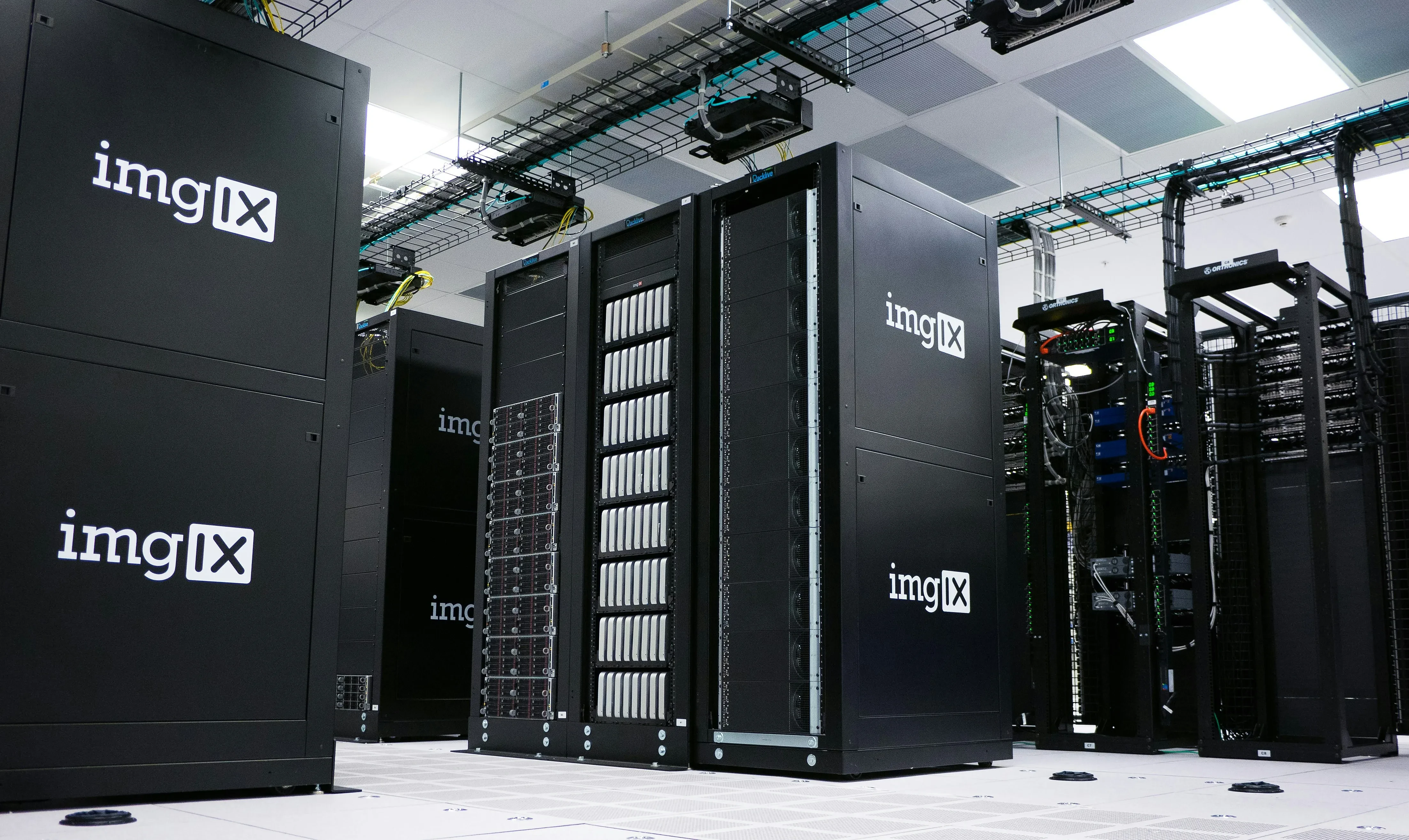
The insatiable energy appetite of data centers is draining traditional power resources, leading to an exponential increase in the costs for constructing natural gas power plants. Over the past two years, costs have nearly doubled, with a 66% surge, and construction timelines have extended by 23%. This scenario highlights an increasingly pressing critical issue in the global energy sector.
The Inexorable Impact of Data Centers on Energy Demand
The steep rise of artificial intelligence, cloud computing, and the management of enormous data volumes has led to an unprecedented proliferation of data centers. These facilities, the pillars of modern digital infrastructure, require colossal amounts of electricity to operate 24/7. The growing demand is such that it is exceeding the capacity of existing grids and pushing for the construction of new power plants, particularly those fueled by natural gas, which are considered a relatively quicker and more flexible solution compared to other sources.
Sponsored Protocol
Rising Costs Construction Expenses and Realization Times
The pressure exerted by demand has a direct impact on costs. According to the latest analyses, the price for building a natural gas power plant has nearly doubled in just two years. This increase, estimated at around 66%, is a direct consequence of competition for resources, stressed supply chains, and the need to accelerate projects to meet immediate demand. Beyond the rise in monetary costs, there is also an increase in realization times, with projects requiring 23% more time on average to be completed. This temporal dilation represents a further obstacle in ensuring a stable and adequate energy supply.
The Sustainability Challenge and Energy Alternatives
This phenomenon raises important questions about the long-term sustainability of the current model. While natural gas power plants offer a degree of flexibility, their contribution to greenhouse gas emissions is significant. The technology industry, including the data center sector, faces the necessity of exploring and investing in cleaner and renewable energy solutions. Innovation in renewable energy fields, such as solar and wind, along with the development of more efficient energy storage systems, becomes crucial. Furthermore, strategies to optimize energy consumption within the data centers themselves, through more efficient architectures and advanced cooling technologies, are fundamental to mitigating environmental impact and reducing dependence on fossil fuels. The topic of sovereign tech is becoming increasingly relevant in this context as many nations seek to ensure their energy and digital autonomy. In parallel, the evolution of AI-related cloud services requires careful energy planning. For a deeper insight into the challenges of AI supervision, one can consult the analysis of Ineffable Intelligence.
Sponsored Protocol
Future Outlook and the Need for Innovation
The growing energy demand linked to data centers is not a passing phenomenon but a structural trend that will require innovative and strategic responses. A joint commitment from governments, the technology industry, and the energy sector will be essential to develop long-term plans that balance digital growth with environmental sustainability. Energy efficiency, widespread adoption of renewable sources, and research into new powering technologies will be the cornerstones upon which the energy future of the digital era will be built, avoiding potential critical failures like those that affected critical infrastructures through cyberattacks. Innovations like AI agents replacing traditional apps represent a further factor in energy demand growth, as highlighted by the developments from OpenAI.
Sponsored Protocol