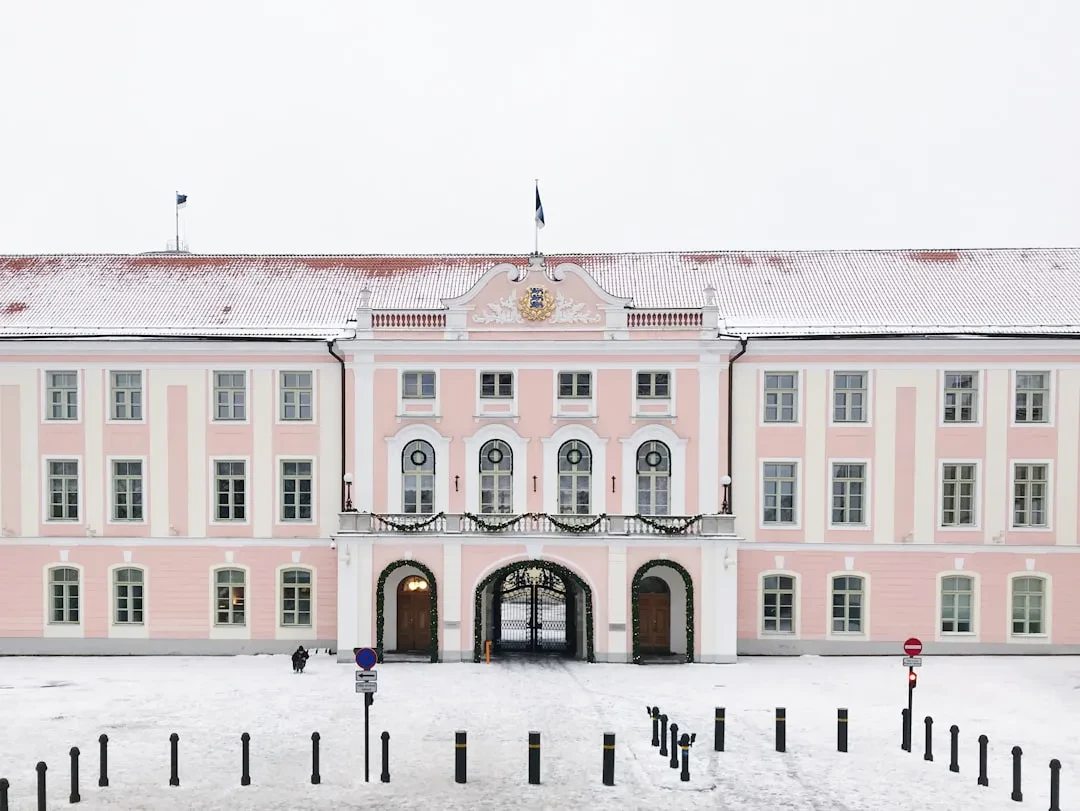
As many European nations and beyond opt for a crackdown on social media for the younger generation, Estonia stands out with a decidedly contrary stance. According to statements from the Estonian Minister of Education, such bans do not represent an effective solution to the problems associated with the use of these platforms by minors. The Estonian philosophy emphasizes the responsibility of governments and major tech corporations, rather than shifting the burden onto children, who, according to the minister, would find ways to circumvent restrictions regardless. This approach contrasts with the widespread concern over the negative impacts of social media on adolescent mental health and development.
The Controversy Surrounding Child Social Media Bans
Excessive social media use by children and adolescents is linked to a range of tangible negative repercussions, spanning mental health issues such as depression and anxiety, to sleep disturbances and obesity, often exacerbated by targeted advertising. However, it is undeniable that digital platforms can also offer spaces for community building and mutual support among young people. Faced with this data, a growing list of countries, including Australia, Greece, France, Austria, Spain, Indonesia, Malaysia, the UK, and Denmark, have considered total or partial bans on social media for minors as a response to identified risks. This widespread adoption of bans has sparked debate about their effectiveness and potential unintended consequences.
Sponsored Protocol
The Estonian Stance and Corporate Responsibility
Estonia, through its Minister of Education Kristina Kallas, believes that the ban-based approach is misguided. Kallas emphasized that the solution is not to make children responsible for harms by self-regulating, but to place primary responsibility on the governments and companies that manage these platforms. She criticizes a perceived weakness in Europe's dealings with large American and international corporations, urging the European Union to exert greater regulatory power. While the EU is already a global leader in regulating the tech industry, the issue of specific childhood bans remains a point of divergence. The minister's perspective highlights a call for more robust governmental oversight and corporate accountability.
Sponsored Protocol
Individual Freedom and Risks of Over-Regulation
A further argument against blanket bans is the concern that they could pave the way for a broader erosion of individual freedoms. For instance, a proposal in France to extend social media restrictions to those under fifteen could, according to some critics, logically lead to more stringent controls, including limiting the use of tools like VPNs, which are necessary to circumvent potential blocks. This raises questions about the line between protecting minors and safeguarding digital freedoms. In this context, it is crucial to balance online safety with the right to information and communication, as discussed in strategies for optimizing the use of technological devices, avoiding overly restrictive approaches that could prove counterproductive. Such debates are ongoing as new technologies and platforms emerge.
Sponsored Protocol
The discussion surrounding minors' social media use is complex, requiring a balanced approach that considers both risks and opportunities without compromising freedom of expression and digital innovation. Recent developments, such as price increases for services like YouTube Premium, underscore the constantly evolving digital landscape, necessitating continuous dialogue among users, companies, and legislators.