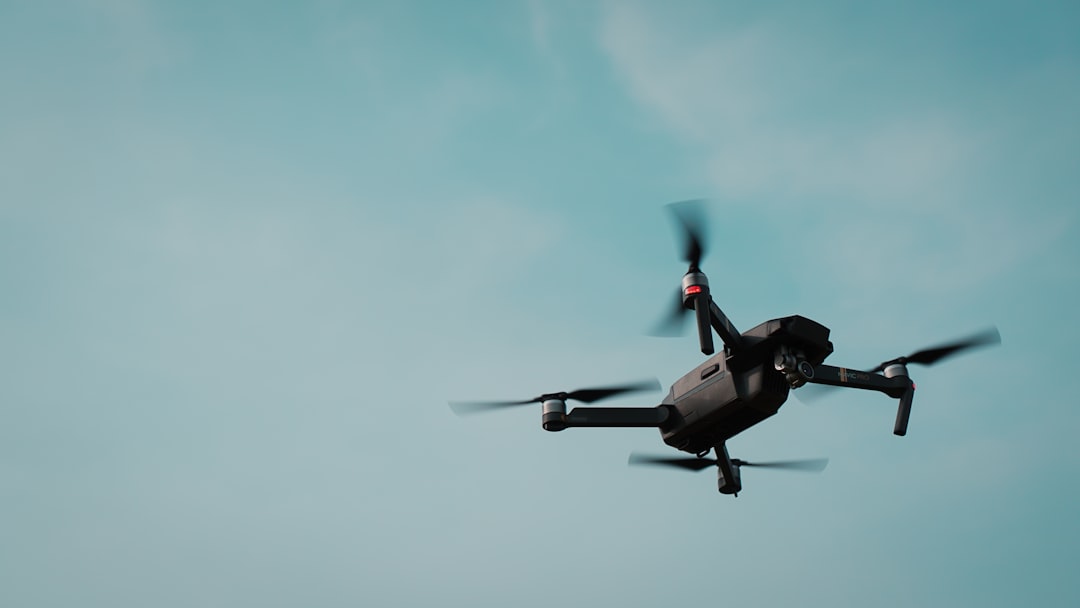
The Federal Communications Commission has opened a new chapter in the trade and technology standoff with Beijing. The US regulator has introduced a proposal that could retroactively ban the sale of foreign-made drones equipped with LiDAR and other technologies classified as "military-grade." If approved, the measure would affect several popular DJI models, the Chinese market leader, removing them from American shelves even if they have already been certified and sold legally.
LiDAR Considered a Sensitive Military Technology
The main rationale behind the FCC's move lies in the dual-use nature of LiDAR, a laser detection system that allows drones to map the environment in 3D with extreme precision. According to US officials, this capability could be exploited for surveillance or weapons targeting, making such devices potentially dangerous to national security. The proposal is not limited to LiDAR but also includes thermal infrared sensors and other components dubbed "military."
Sponsored Protocol
DJI and Other Chinese Manufacturers in the Crosshairs
If the rule takes effect, the main impact would be felt in the consumer and professional markets. DJI, which holds a significant share of the Western drone market, would likely see sales of models like the Mavic 3 Thermal or the Matrice 350 RTK, equipped with advanced sensors, blocked. Other Chinese manufacturers such as Autel Robotics could also suffer. American companies like Skydio might benefit from reduced competition.
Swarm Drones for Light Shows at Risk
A lesser-known but equally relevant aspect concerns drones used for light shows. These devices, often synchronized in large swarms, integrate positioning systems and sensors that could fall under the "military" definition. The FCC proposal thus risks affecting the entertainment industry, which has seen growing demand for drone shows worldwide. Organizing companies might be forced to seek domestic alternatives or revise their operational plans.
Sponsored Protocol
Mixed Reactions and Implications for Consumers
The proposal has drawn mixed reactions. On one hand, national security advocates applaud the move, stressing the need to protect critical infrastructure from potential threats. On the other, many industry operators and freelancers who use drones for inspection, agriculture, or photography fear losing essential tools. Consumers who already own such drones might still be allowed to use them, but maintenance and spare parts could become hard to source.
Sponsored Protocol
The final decision now rests with the FCC and Congress, which must weigh security against innovation. Meanwhile, the debate over restricting Chinese tech imports extends to other sectors. Those following US tech regulation might find interesting parallels with recent measures against digital censorship discussed elsewhere. For drone operators, it is time to closely monitor the evolving rules.