The fate of SpaceX's Starship after its 13th test flight appears sealed. Elon Musk, founder and CEO of the company, said the recovery of the second stage, known as Ship, is in serious jeopardy. The 52-meter-tall vehicle remained intact after its splashdown in the Indian Ocean on July 24, but the sea conditions and the complexity of towing it toward the western coast of Australia are straining the recovery team.
In a post on X, Musk wrote that the recovery of the Ship is not looking good, but he stressed that the team has managed to obtain close-up photographs of critical areas of the heat shield and engines, useful for future upgrades. The confirmation came after SpaceX shared an update on the difficult conditions encountered, with increasingly rough seas hindering maneuvers.
Flight 13 and the unexpected success of the splashdown
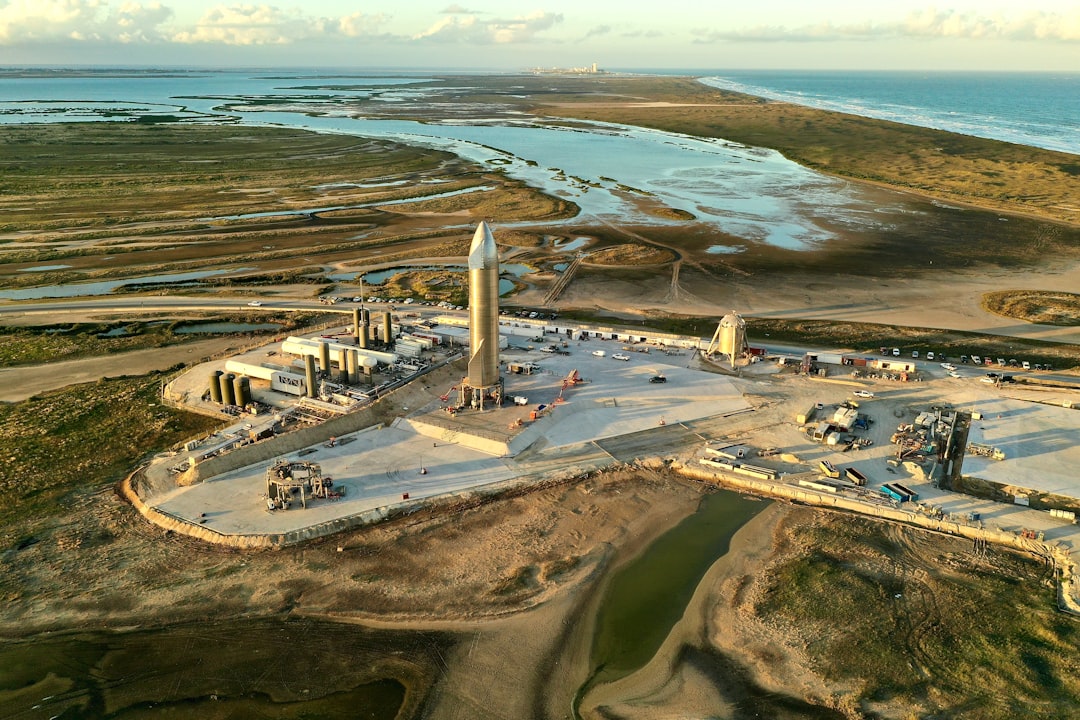
On July 24, the Starship launched from the Starbase site in Texas for its 13th test mission. The flight was suborbital, with the Super Heavy booster splashing down in the Gulf of Mexico and the Ship splashing down as planned in the Indian Ocean. The surprise came when the Ship survived the impact with the water, remaining in one piece despite toppling over. This unexpected result prompted SpaceX to attempt recovery to closely analyze the heat shield and other components.
Sponsored Protocol
The heat shield and the future of the Starship program
The heat shield is considered by Musk one of the biggest challenges for the full reusability of the vehicle. However, during SpaceX's first quarterly earnings call, held on August 4, Musk said he considers the heat shield problem essentially solved. If confirmed, this statement would represent a crucial step for the program, which aims to make Starship fully reusable and operational for frequent missions.
Sponsored Protocol
Deployment of Starlink V3 satellites and future ambitions
Another milestone of Flight 13 was the deployment of 20 functional Starlink V3 satellites, the next-generation broadband spacecraft from SpaceX. These satellites re-entered Earth's atmosphere quickly on July 24, but the mission demonstrated the ability to carry payloads. SpaceX plans to use Starship to build a constellation of about 100,000 Starlink V3 satellites, an ambitious project that will require frequent and low-cost launches.
The fate of the Ship remains uncertain, but the experience gained with this recovery attempt will provide valuable data for future missions. As Musk himself pointed out, the close-up photographs of critical areas are already a significant result. The resilience of the vehicle during splashdown is a positive sign for the design, even if the loss of the prototype could slow down the test program. For those following the evolution of private spaceflight, the Starship saga is a fascinating case study, as demonstrated by the astronomical events of these days, such as the meeting of the Moon and Mars before dawn. The future of space transportation also passes through these experiments, where every success and every failure contribute to writing the history of human exploration beyond Earth.
Sponsored Protocol