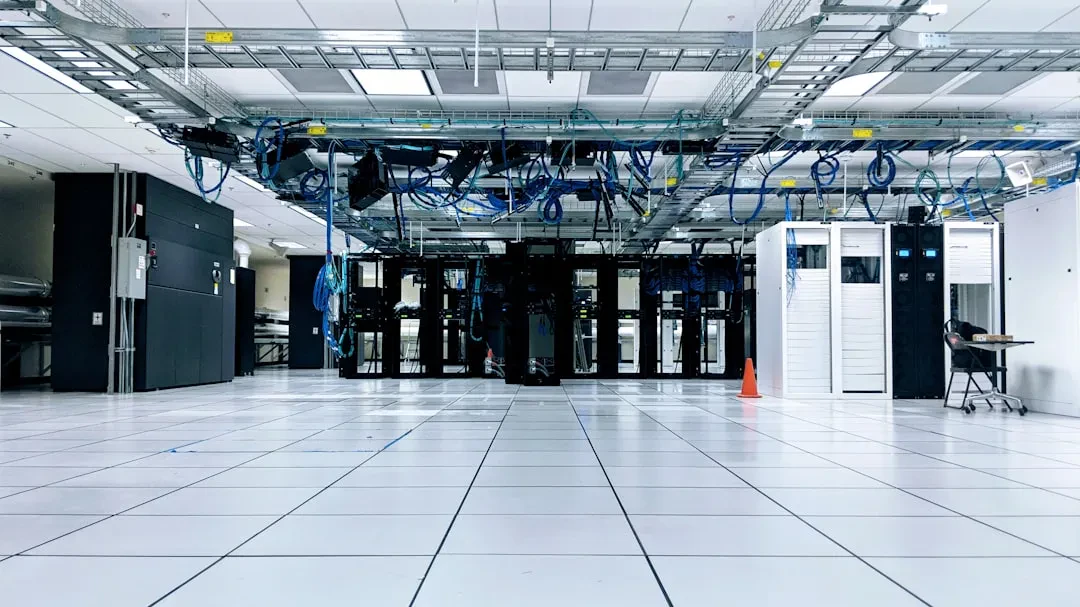
The Federal Energy Regulatory Commission (FERC) took a landmark step on Thursday by ordering grid operators to fast-track interconnection requests from data centers and other large electricity users. The unanimous decision aims to alleviate bottlenecks that have slowed the expansion of AI infrastructure, but it does not address the underlying shortage of generating capacity.
A Government-Ordered Priority Lane
Under the directive, six major grid operators must demonstrate that data centers can connect to the transmission system in a timely and orderly manner, with data centers bearing interconnection costs. FERC also encouraged grid operators to consider alternative transmission technologies, such as solid-state transformers or superconducting lines, opening the door for grid tech startups. Grid operators now have 30 days to report their spare generating capacity and 60 days to justify or revise electricity rates. They must also be more accommodating to behind-the-meter power for data centers.
Sponsored Protocol
Soaring Demand Meets Grid Congestion
Data center electricity demand is projected to nearly triple by 2035, yet grid operators, accustomed to near-zero growth for two decades, are overwhelmed. At the end of 2023, interconnection requests for new power plants exceeded the entire existing fleet capacity, creating a logjam. PJM, the nation's largest grid operator, has descended into chaos, with major utilities threatening to withdraw. Tech companies, unable to connect in time, are increasingly turning to costly on-site power. The resulting grid connections have driven wholesale electricity prices up by as much as 267% over five years.
Political and Industry Backdrop
FERC was prodded by Energy Secretary Chris Wright, who warned in October that delays undermine US AI competitiveness. Public sentiment toward AI has since soured. Meanwhile, the Trump administration paid $765 million to Invenergy to cancel offshore wind leases, redirecting funds to natural gas and geothermal projects. This brings total spending to $2.6 billion to dismantle offshore wind developments, a contradictory signal amid the push for electrification.
Sponsored Protocol
The FERC order addresses interconnection speed but not generation shortages. For more context on AI infrastructure, read about AWS Context and knowledge graphs for AI agents and the real price of augmented reality data. For a broader overview, see Wikipedia on FERC.