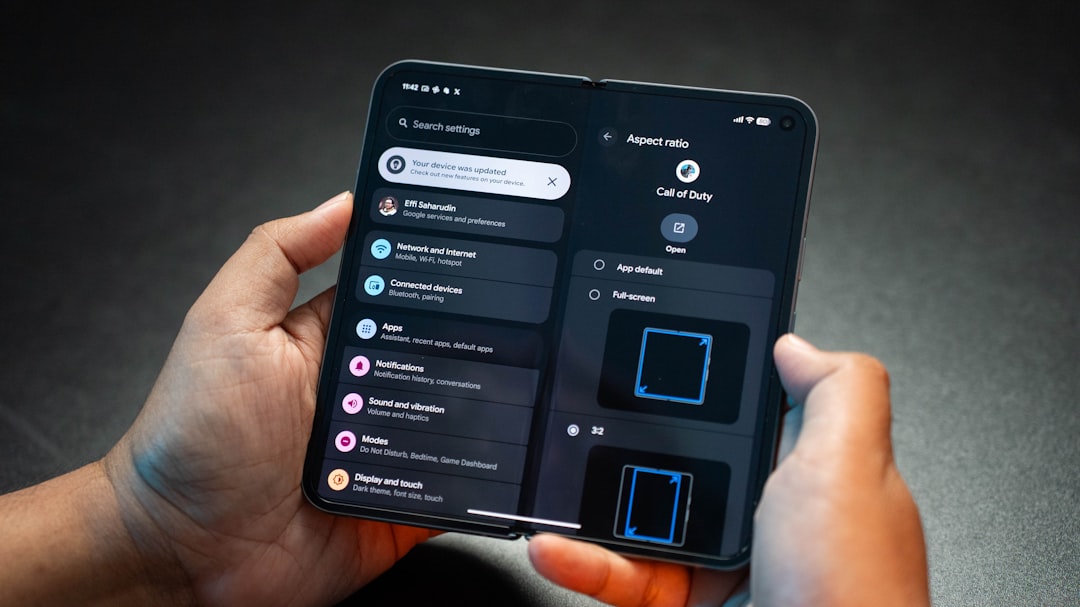
After a year of experimenting with the Exynos 2500 processor on the Galaxy Z Flip 7, Samsung has reversed course and equipped the new Galaxy Z Flip 8 with the Snapdragon 8 Elite Gen 5 for Galaxy chip in North America. On paper, this represents a clear step forward in raw performance, but it also raises questions about the final cost of the device and Samsung's long-term strategy.
Return to Snapdragon after the controversial Exynos 2500
With the Galaxy Z Flip 7, Samsung chose to use its own Exynos 2500 chip in all global markets, a decision that many enthusiasts met with skepticism. Benchmarks showed that Qualcomm's Snapdragon 8 Elite, used for example in the Motorola Razr Ultra 2025, offered superior CPU and GPU performance. The new Galaxy Z Flip 8 corrects this course, but the Snapdragon 8 Elite Gen 5 for Galaxy chip is not just an upgrade: it is also a way to justify a price increase. Rumors suggest an increase of between $100 and $150 compared to the previous model, a significant amount in an already competitive market.
Sponsored Protocol
Unchanged display, battery, and cameras: the real upgrade is only the processor
Apart from the new processor, the Galaxy Z Flip 8 introduces no substantial changes in other areas. The 6.7-inch foldable display, 4000 mAh battery, and dual rear camera system remain identical to the Galaxy Z Flip 7. This means the only tangible difference for the user is the performance boost, but at a higher price. Many wonder: is it really worth paying more for a performance jump when other hardware aspects are identical? Samsung relies on brand loyalty and ecosystem, but competitors like Motorola with the Razr Ultra 2025 offer similar specs at lower cost.
Comparison with Motorola Razr Ultra 2025 heightens doubts
Motorola equipped the Razr Ultra 2025 with the Snapdragon 8 Elite earlier this year, offering a launch price about $200 lower than estimates for the Galaxy Z Flip 8. Additionally, the Razr Ultra boasts a slightly larger battery and faster charging. Samsung tries to differentiate with One UI 7 software and foldable display optimization, but for spec-conscious users, the gap narrows. The foldable market is becoming increasingly crowded, and decisions like this may push consumers to consider alternatives.
Sponsored Protocol
Samsung's strategy between in-house chips and Qualcomm partnership
The decision to return to Snapdragon is not only technical but also economic. Samsung has invested billions in Exynos processors, but results have not been fully convincing. The partnership with Qualcomm guarantees immediate high-level performance but increases dependence on an external supplier. Moreover, the recent price hike of Snapdragon chips, as reported in Qualcomm raises chip prices, impacts final devices. For the Galaxy Z Flip 8, the higher cost may alienate some of the audience that already views the foldable form factor as a luxury.
Sponsored Protocol
A critical look at the apparent upgrade
According to an authoritative source like Android Authority in the original article, "the biggest Galaxy Z Flip 8 upgrade on paper is the one that worries me the most." The article emphasizes that returning to Snapdragon seems more like an attempt to justify the price increase than a genuine improvement in user experience. Samsung may need to address criticism over the Galaxy Z Flip 7's performance, but the solution might have been rushed. Moreover, earlier adopters of the previous model may feel penalized by such a quick update.
For those considering a purchase, it is important to assess whether the Snapdragon 8 Elite Gen 5 for Galaxy represents enough of generational leap to justify the extra spending. If peak performance is not a priority, the Galaxy Z Flip 7, perhaps at a discount, could be a more balanced option. Samsung will need to demonstrate with independent tests that the new chip offers concrete advantages in daily use; otherwise, the Galaxy Z Flip 8 risks being perceived as a minor update at a higher price.
Sponsored Protocol
Ultimately, the Galaxy Z Flip 8 marks a return to Snapdragon that on paper is positive, but the market context and lack of other hardware improvements make this move less exciting than it seems. Samsung needs to regain user trust after criticism of the Galaxy Z Flip 7, but perhaps it should have aimed for broader innovations. For more on foldable alternatives, see the article on Galaxy Z Fold 8 Ultra and alternatives. For further details on the Snapdragon chip, you can consult the Wikipedia page.
Source: https://www.androidauthority.com/samsung-galaxy-z-flip-8-snapdragon-concerns-3690470