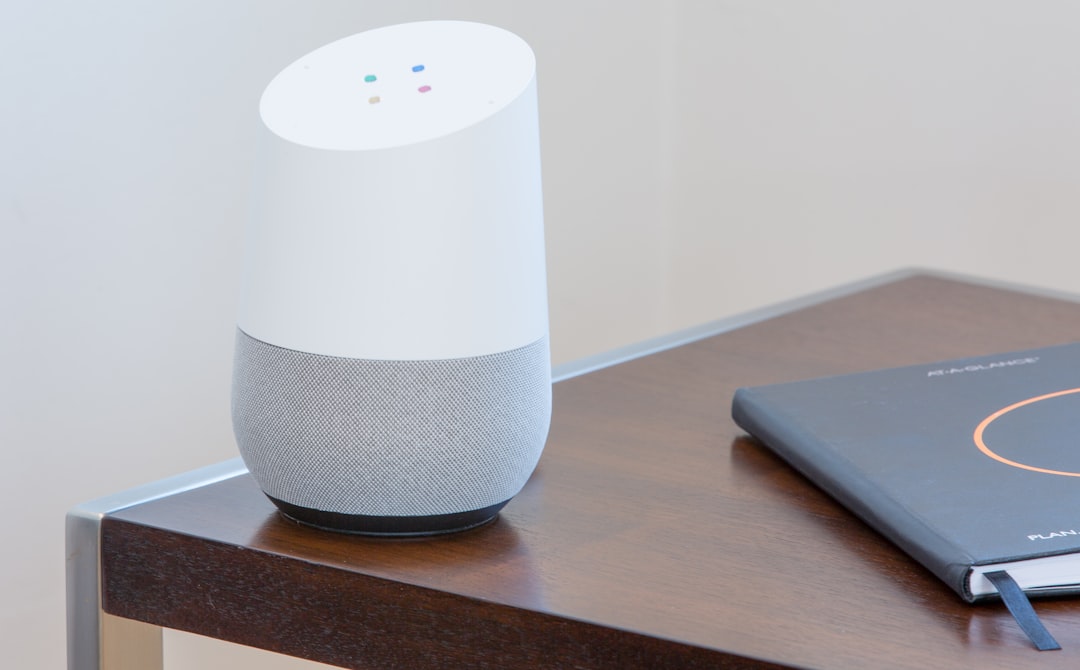
After six years of silence in the smart speaker market, Google launched the new Google Home Speaker on June 25, 2026. This is the first Google-branded smart speaker since the original Google Home in 2016. The device arrives at a crucial time for Google's smart home ecosystem, marked by the arrival of the Gemini AI on existing devices and a hardware strategy that many observers still deem unclear.
Gemini breathed new life into old speakers but hardware is the real test
In late 2025, Google extended Gemini to first and second-generation Home speakers, giving a fresh start to devices that suffered from the old Assistant's limitations. The update improved natural language understanding, response speed, and integration with third-party apps. However, as several analysts point out, software alone is not enough: to compete with Amazon Echo and Apple HomePod, Google needs a solid and renewed hardware platform. The new Google Home Speaker represents that attempt, but the market has changed deeply since 2020.
Sponsored Protocol
The new Home Speaker arrives in a still fragmented ecosystem
Priced at $129, the Google Home Speaker 2026 offers improved sound, support for Thread and Matter, and a redesigned look with recycled fabric. However, the real question is whether Google can deliver on the promise of a unified smart home. In recent years, the company has launched and abandoned several connected products, from Nest Hub displays to cameras and thermostats. The lack of a consistent vision has generated uncertainty among consumers. An article from Android Authority claims that the author has never been more worried about the future of Google Home. Fragmentation and slow innovation risk making Google lose ground, while Amazon continues to dominate with Alexa and Apple perfects the HomeKit ecosystem.
Sponsored Protocol
Preorder delays and limited stock echo other troubled launches
Interestingly, the launch of the new speaker mirrors that of the foldable iPhone Ultra, with initial supply limited to under one million units according to estimates. Google has confirmed that early shipments will be small, fueling fears of cautious production. For those interested in similar limited launches, the article on foldable iPhone Ultra provides insights. Google's strategy seems to test the market before ramping up production, but in a field where immediate availability is key, this could prove a mistake.
No major software features at launch
At debut, the Google Home Speaker 2026 does not introduce exclusive software features. Gemini is already available on older speakers, and the only tangible advantage of the new model is improved hardware. This raises positioning doubts: why would a user buy a new speaker if the software is the same? Specific applications that leverage the upgraded processor and new sensors are needed. Without them, the device risks being a minor update. A lesson comes from the Wi-Fi 7 router market, where no tested model supports true simultaneous MLO, as highlighted in this article. Again, hardware outpaced available software.
Sponsored Protocol
The future of Google Home depends on Google's ability to deeply integrate Gemini with hardware, expand the device lineup, and offer a truly cohesive experience. The new speaker is a step forward, but not enough to ease concerns. The road ahead is long and full of uncertainties.
Source: https://www.androidauthority.com/google-home-future-never-more-worried-3683391