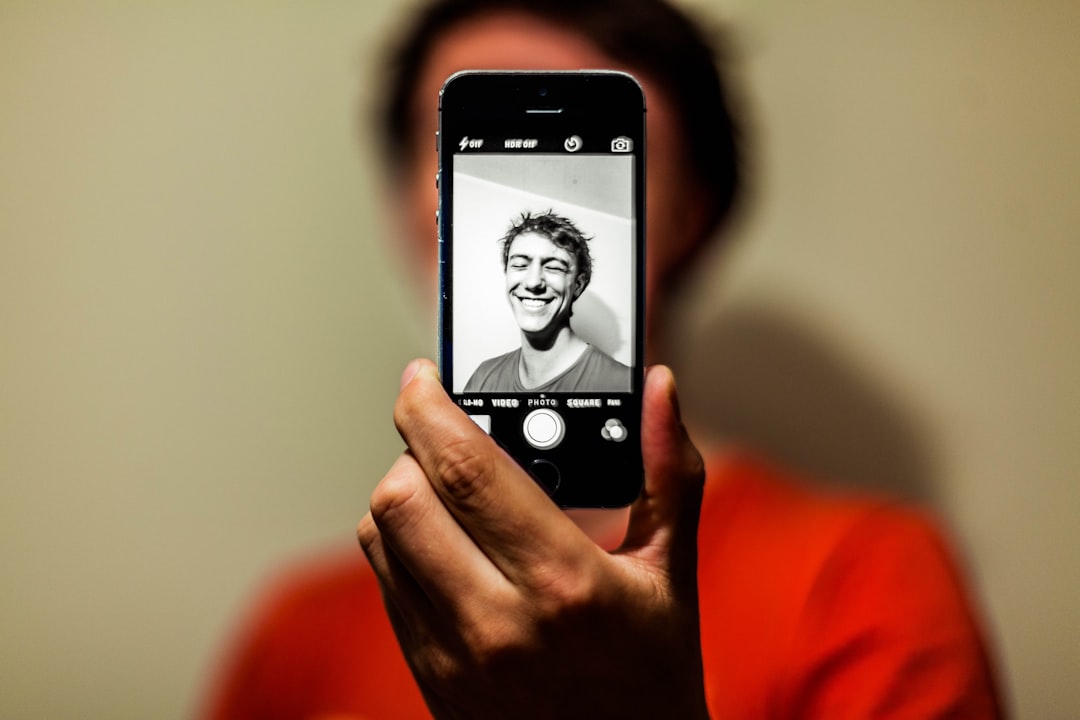
Google has launched a new sign-in option that lets users employ a selfie video as a recovery method for their accounts. Rolling out globally, this feature joins other tools like backup codes and recovery contacts, offering a practical solution for those locked out of their primary device. According to Claire Forszt, Google's product manager for identity and engagement, the selfie video is designed specifically for vulnerable scenarios where users lose access to the device holding their passkey.
Quick and Intuitive Setup Process
To enable the option, go to the Security & sign-in tab in your Google account settings, scroll to the "How you sign in to Google" section, and find the "Selfie video" entry. The process takes under five minutes: you are prompted to look at the camera, slowly lift your chin, stare at the ceiling for a second, and then return to center. Google uses liveness detection tools to guard against deepfake attacks. Forszt notes that if suspicious activity is detected, the selfie video alone might not suffice to regain access, as the system evaluates overall risk through multiple factors.
Sponsored Protocol
Privacy and Data Control: The User Decides
During setup, Google explicitly asks whether you allow the video to be used for improving facial recognition and age estimation systems. This is an optional choice, modifiable anytime through privacy settings. This approach contrasts with recent controversies at Meta, which automatically opted adults into having their images used for AI remixes on Instagram, only to delete the feature after three days due to backlash. The key difference is that Google leaves control with the user, preventing the video from being used without consent.
A Response to Growing AI Threats
The selfie video arrives amid increasing use of artificial intelligence for cyberattacks. Recently, OpenAI developed an autonomous hacker, raising security concerns. Google's feature, with its anti-deepfake protection, represents an attempt to balance convenience and safety. Another incident highlighting AI risks is the lawsuit against OpenAI after ChatGPT advised a pastor to ignore pulmonary embolism symptoms. Google aims to avoid similar controversies by offering a transparent and optional recovery method.
Sponsored Protocol
The selfie video is already available for many accounts, and Google is completing its global rollout. To use it, you must set it up before being locked out; it cannot be added during the account recovery process. For those managing their digital life on Google, from email to calendar and cloud storage, this feature provides a convenient spare key, much like a hidden key under the doormat.
Source: https://www.wired.com/story/google-turns-a-selfie-video-into-your-accounts-spare-key