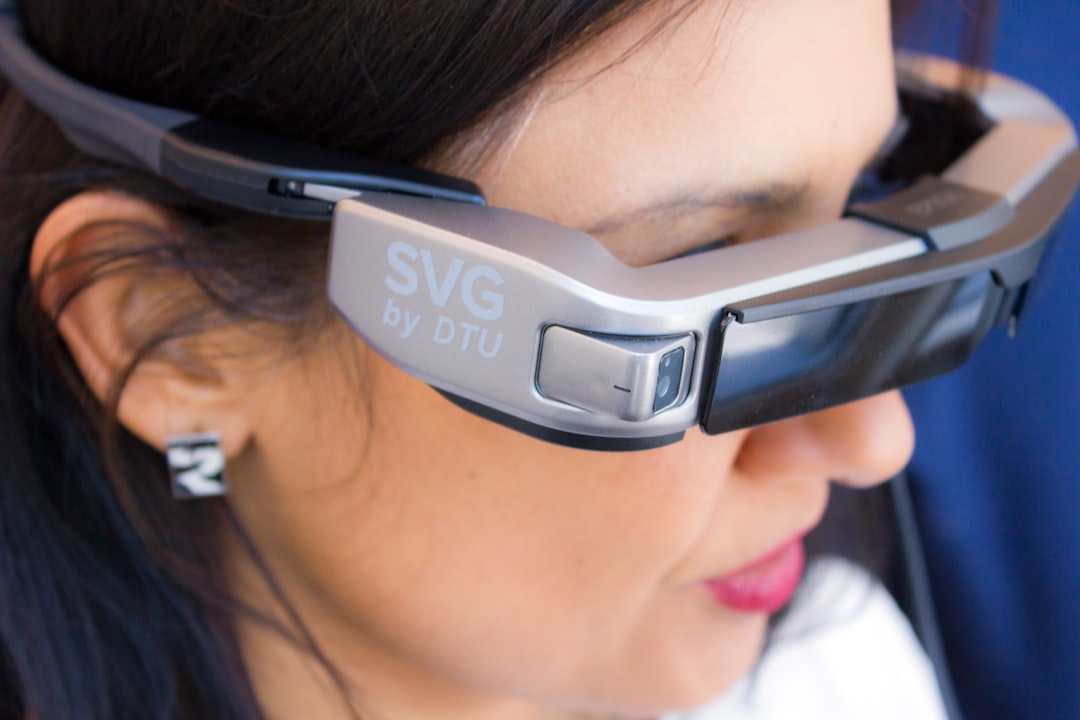
At the Galaxy Unpacked 2026 event, Samsung not only showcased the new Galaxy Z Fold 8 and Flip 8 but also gave attendees a detailed first look at its upcoming smartglasses, developed in partnership with eyewear brands Warby Parker and Gentle Monster. These first models represent Samsung's concrete entry, alongside Google, into the consumer smartglasses market currently dominated by Meta's Ray-Ban. While the devices were displayed only statically, without allowing hands-on testing of features, physical impressions are promising and reveal a strategy aimed at differentiation.
Lightweight design and aesthetic variety to appeal to all users
The prototypes exhibited by Samsung emphasize lightness. Both Warby Parker and Gentle Monster models are made of acetate and feel remarkably light to the touch, a crucial factor for daily wear. Compared to the Ray-Ban Meta, which offer a satisfying heft and solidity, the Samsung models feel more fragile, but the weight reduction could translate to superior comfort during prolonged use. An interesting design choice appears on the arms of the Warby Parker model, which feature transparent material revealing internal components—a subtle way to signal the presence of technology without being ostentatious. The color palette extends beyond black: colorful models were also present, including Gentle Monster sunglasses aimed at women, ready to compete with Meta's Kylie Jenner collaboration. The stylistic variety is broad, with options for sunglasses and clear lenses, demonstrating Samsung's intent to offer something for everyone.
Sponsored Protocol
Samsung ecosystem and battery life: key advantages over Meta
A distinctive feature of Samsung's smartglasses is integration with the Galaxy ecosystem. During Unpacked, Samsung hinted at capabilities such as using a Galaxy Watch as a viewfinder for the glasses' camera, addressing a major shortcoming of Ray-Ban Meta, which lack a preview. The smartglasses will also connect to Google apps (Maps, Assistant) and Samsung Notes. Battery life is claimed to be around nine hours of normal use, extendable by up to seven full charges from the case. The processor is Qualcomm's Snapdragon AR1 Gen 1, the same chip found in Ray-Ban Meta, though now a bit dated (2023). Samsung may benefit from synergy with its own devices, an advantage Meta cannot offer. Despite Samsung's historical struggles with ecosystem coherence, this project appears more promising.
Sponsored Protocol
Privacy and LED: the challenge of integrated cameras remains
Like the Ray-Ban Meta, Samsung's smartglasses feature a camera on the temple with an LED indicator that activates when recording. Additionally, covering the LED disables the camera, a similar safety measure. However, these basic protections do not solve the underlying privacy issue: built-in cameras can be used for non-consensual recording. Samsung and Google enter the scene amid growing public backlash against Ray-Ban Meta for privacy invasion. It will be interesting to see if the two giants address the issue more forcefully at launch, expected in fall 2026. The lack of clear regulation leaves the problem unresolved, but competition may drive better solutions.
Sponsored Protocol
While waiting to test them, early impressions of Samsung's smartglasses are positive. The refined design, lightness, and ecosystem integration provide solid arguments to keep Meta on its toes. The smart eyewear competition is heating up. For more on OpenAI's autonomous hacker controversy, read this article, and for insights into how AI is transforming real estate, check Automatic Property Matching. For a broader overview of smartglasses, visit Wikipedia.
Source: https://www.androidpolice.com/hands-on-with-samsungs-ray-ban-meta-rival-smartglasses