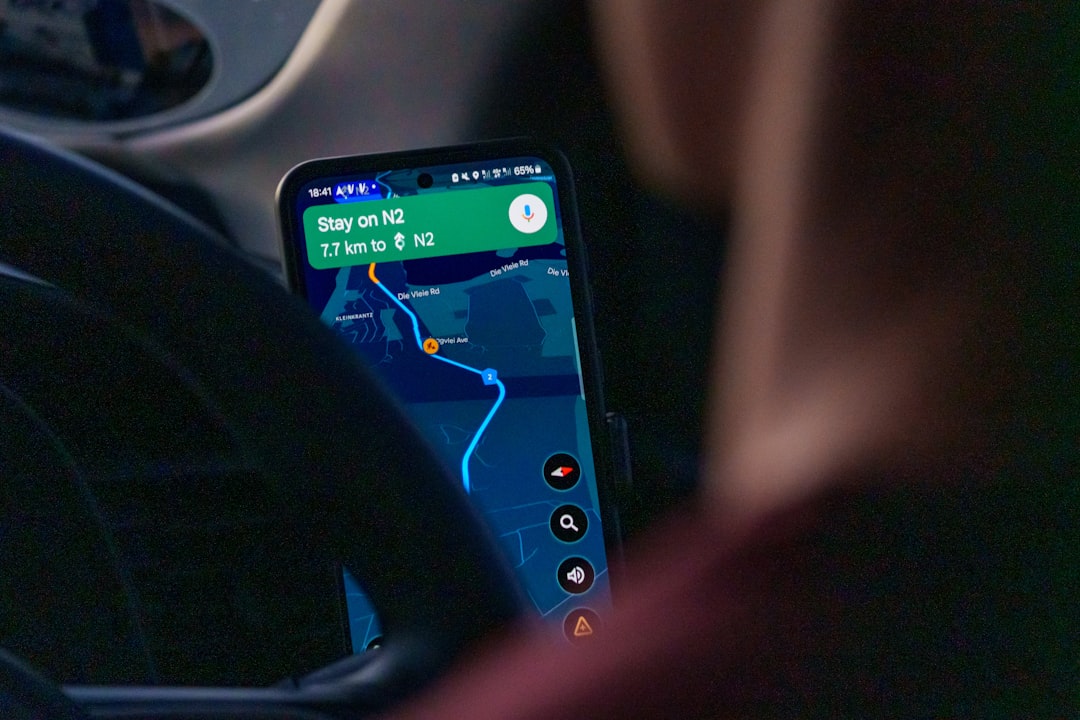
I know my daily commute so well that I rarely think about the directions. Every turn, every traffic light, and every bottleneck are etched into my memory. Yet, before heading out, I always open Google Maps. Not because I am afraid of getting lost, but because the app has become my last-minute reality check. It has saved me from plenty of frustrating drives, and now I never leave without checking it. These underrated features have completely changed how I use Maps.
Real-time traffic check before leaving home
The first thing I look at is not the route but the traffic. Even though I know the roads I will take, conditions can change in a matter of minutes. A minor accident, roadwork, or an unusually busy intersection can turn a routine commute into a frustrating one. Google Maps gives me a quick overview of what to expect before I leave home. If my usual route is backed up, the app often suggests a faster alternative. After entering your destination, you can see typical traffic conditions at different times, helping you decide if leaving 15 or 20 minutes earlier is worthwhile. If you have an appointment or commute at a fixed time, you can also use the Arrive or Leave option to let Maps estimate the best time to leave based on live and historical traffic patterns. This simple check has saved me from more than one delay and made my morning drives much more peaceful.
Sponsored Protocol
Comparing alternate routes and traffic details
After checking the traffic, I spend a few more seconds comparing the alternate routes that Google Maps suggests. The app usually highlights the fastest option, but I do not automatically pick it. I browse through the options to check the time differences and identify any delays. One trick I have found useful is to ignore tiny time differences. If one route is only a minute or two faster but takes me through busy city streets with dozens of traffic lights, I will stick with the slightly longer highway route. On the other hand, if Google Maps shows an alternative that is five or ten minutes quicker, it is usually worth switching. I also pay attention to the color-coded traffic along each route rather than just the estimated arrival time. A route with one short red section can be less frustrating than one with long stretches of stop-and-go traffic, even if both have similar ETAs. Tapping each route also lets me view incident reports such as accidents, road closures, or construction. These details allow me to avoid surprises and choose the smoothest path.
Sponsored Protocol
Offline maps as a safety net for navigation
I do not often lose my mobile connection, but I still make it a habit to download offline maps for the places I drive most often. It is one of those things you never appreciate until you are driving through an area with poor coverage and Google Maps keeps trying to reconnect. To download a map, tap your profile picture in Google Maps, open Offline maps, and choose Select your own map. You can adjust the area you want to save before tapping Download. If you are planning a trip, you can search for your destination, open its information card, tap the three-dot menu icon, and select Download offline map. I do not just download maps for road trips, either. I keep my hometown and nearby cities available offline, so navigation still works if I hit a dead zone or my mobile data acts up. I also leave Auto-update offline maps enabled, so Google Maps refreshes them over Wi-Fi before they expire, which means I do not have to remember to download them manually. This gives me great peace of mind when driving in unfamiliar areas.
Sponsored Protocol
Saving your parking location to avoid wandering
Remembering exactly where I parked can be frustrating, especially in large shopping centers, airports, or unfamiliar neighborhoods. That is why I always save my parking location before walking away from my car. It takes a couple of taps, and it has saved me from wandering around shopping malls and event venues trying to remember where I parked. After you have parked, open Google Maps, tap the blue dot that marks your current location, and tap Save your parking. Google Maps drops a parking pin that you can return to later with walking directions. You can find it again by tapping the search box. You will see the Parking location option below it. I like to include a note with the parking level or section, especially in multi-story garages. You can also share the parking location with someone else, or set the remaining time on a parking meter, so Google Maps reminds you before it expires. This feature has saved me time and stress on many occasions.
Sponsored Protocol
I rarely rely on Google Maps for directions during my daily commute anymore, but I still would not leave home without opening it first. Checking live traffic, comparing alternate routes, keeping offline maps ready, and saving my parking location have become habits that make every drive a little less stressful. As I mentioned in an article about how AI speeds up outage recovery during traffic spikes by cutting alert noise, technology can truly improve our daily experience. Even though I know the road by heart, Google Maps remains my silent co-pilot, always ready to lend a hand when I least expect it.
Source: https://www.androidpolice.com/i-thought-i-knew-my-commute-until-google-maps-proved-me-wrong