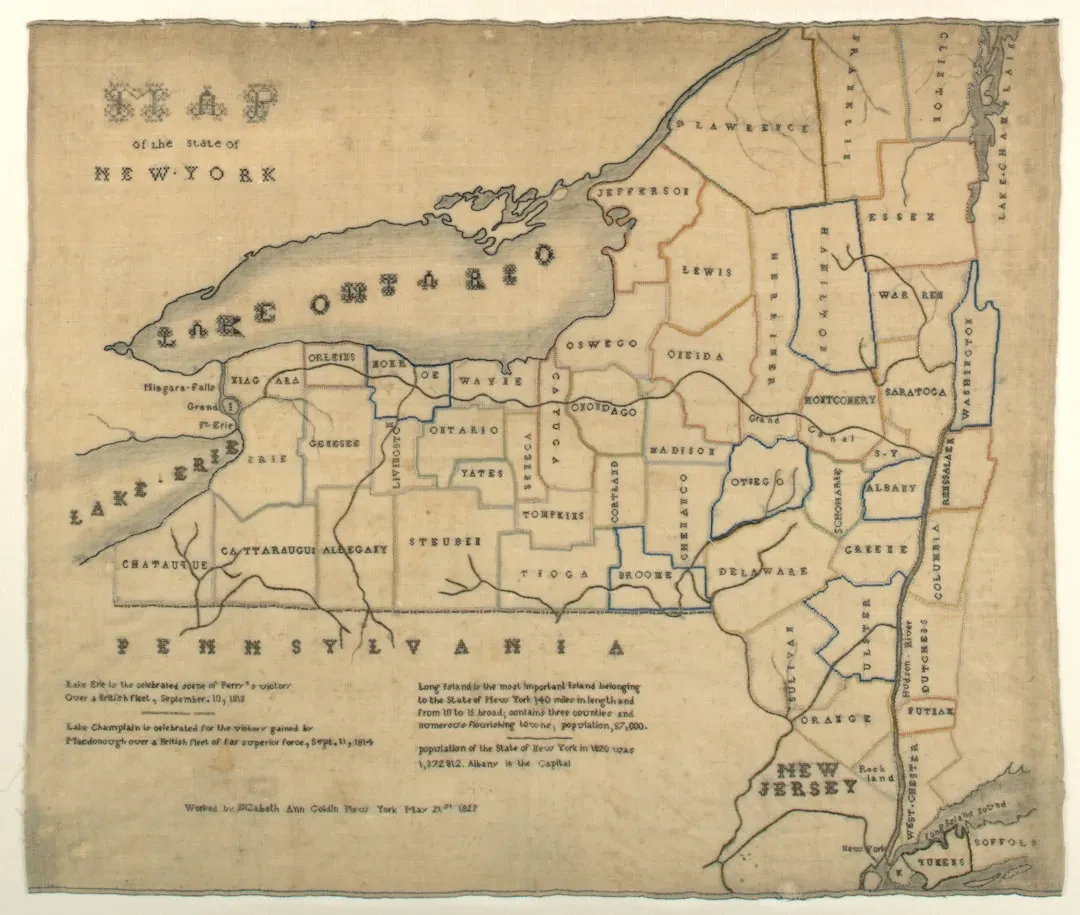
In recent hours, Google Maps has changed the designation of Lake Ontario, one of North America's five Great Lakes, renaming it Lake America for all users located within the United States. The decision follows an executive order signed by President Donald Trump late last week, which mandated the official name change in the American geographic database. The move, closely reminiscent of what happened with the Gulf of Mexico becoming the Gulf of America in early 2025, is sparking controversy and mixed reactions both in the US and Canada.
According to what Google communicated in a brief blog post, users accessing Google Maps from US territory will now exclusively see the name Lake America. Canadian users will continue to see only Lake Ontario, while in the rest of the world, the dual designation Lake Ontario (Lake America) will appear. The change is already visible even when using a VPN connected to US servers, as we were able to verify during our tests.
Google's policy follows local government data and uses the US GNIS
Google justified the change by citing its policy of updating place names based on data provided by local governments. In this case, the reference is to the United States Geographic Names Information System (GNIS), where the name was officially updated on August 27 by the Department of the Interior, following Trump's executive order. The same policy had been invoked by Google in February 2025, when it changed the designation of the Gulf of Mexico to Gulf of America, igniting a heated international debate.
Sponsored Protocol
Google's decision to immediately comply with the directives of the US government is not surprising, but it raises questions about the role of major tech platforms in disseminating potentially controversial geographic names. While some American users have welcomed the change, many others have expressed dissent, even going so far as to deactivate Google Maps. A viral comment on social media reads: "Until they come to their senses and change it back, I deactivated Google Maps. I'll use MapQuest instead."
Canada refuses the name change and PM Carney defends the lake's history
The Canadian government has already stated that it will not update the name of the lake, which will remain officially Lake Ontario. Canadian Prime Minister Mark Carney stated that "the name is more than 400 years old, predating both the Confederation of Canada and the Declaration of Independence of the United States of America." Carney also emphasized the indigenous origin of the name, derived from the Wendat word Ontari'io, which appropriately means "the lake is beautiful, the lake is big." The Prime Minister thus reaffirmed Canada's firm opposition to any attempt to unilaterally rename a shared geographic feature.
Sponsored Protocol
MapQuest and Apple Maps do not follow Google and create a satirical name generator
Competitor MapQuest has directly refused to change the name, and instead responded with an ironic move: it launched a custom name generator that allows users to create their own designations for the lake, mocking the change imposed by Washington. Apple Maps, for now, does not show the new name either. In the past, however, Apple had adopted the same choice as Google quickly for the Gulf of America, updating its maps within a day or two of Google's change. This time, no similar intervention has occurred, and Apple Maps users continue to see the name Lake Ontario.
Sponsored Protocol
Managing reviews on Google Maps after renaming
Another interesting aspect concerns the management of reviews on the new designation. When in 2025 Google renamed the Gulf of Mexico to Gulf of America, the strong public reaction forced the company to limit new reviews on the location to prevent abuse and political comments. For Lake America, however, no such restriction has been applied so far, and users can still leave reviews and comments on the dedicated page, as we observed during our tests. This discrepancy may be due to the lower visibility of the change or the desire to avoid further controversy, but it remains an open issue.
The Lake America affair fits into a broader context of geopolitical and cultural tensions between the United States and Canada, which also reflect on digital platforms. While Google, on one hand, applies local government policies, on the other hand it must contend with user protests and competitors choosing different paths. MapQuest's decision not to comply could represent a competitive advantage for those seeking a less politicized alternative. Although the name change has no direct legal implications for citizens, the debate it raises touches on issues such as national identity, respect for indigenous cultures, and the role of corporations in managing geographic information.
Sponsored Protocol
For those who want to delve deeper into the topic of digital maps and naming controversies, we have already discussed how Samsung is facing similar issues with its smart glasses and the privacy implications. Additionally, those interested in Apple's technological innovations can read our article on the upcoming Apple Watch Series 12, which promises innovations in health monitoring. Finally, for a comparison on how companies handle geographic data, we recommend exploring the latest news about laptop bloatware, another example of controversial corporate choices in the tech world.
Source: https://9to5google.com/2026/08/30/google-maps-has-renamed-lake-america-for-users-in-the-us