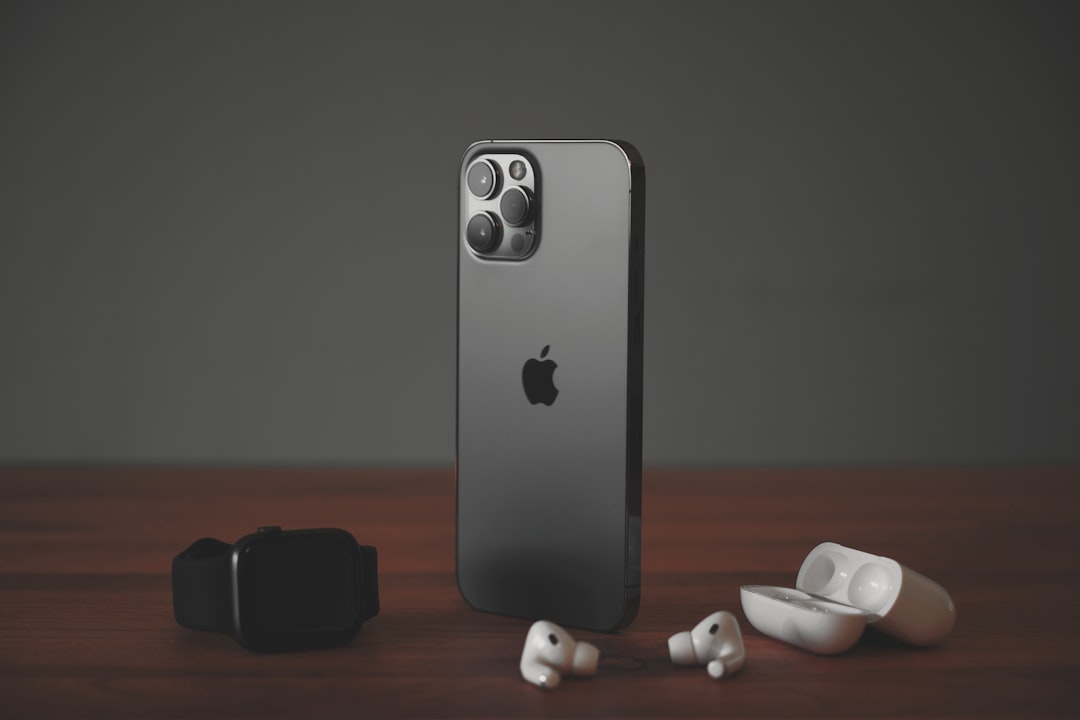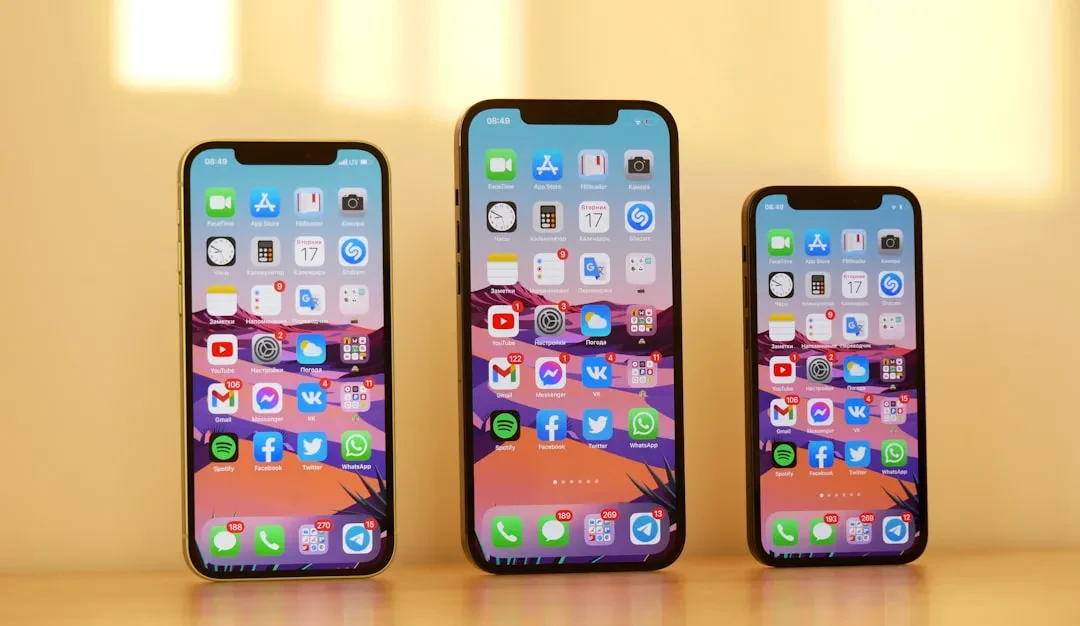
A silent update is reshaping the experience of aging Apple devices. Users of models like the iPhone 11, XS, and even XR are reporting a noticeable boost in performance after installing the latest system update. The improvement is not just in everyday responsiveness but also in battery endurance. This remarkable result comes from a feature that has remained in the shadows until now, an engineering masterstroke that redefines technological sustainability.
The secret behind the new responsiveness
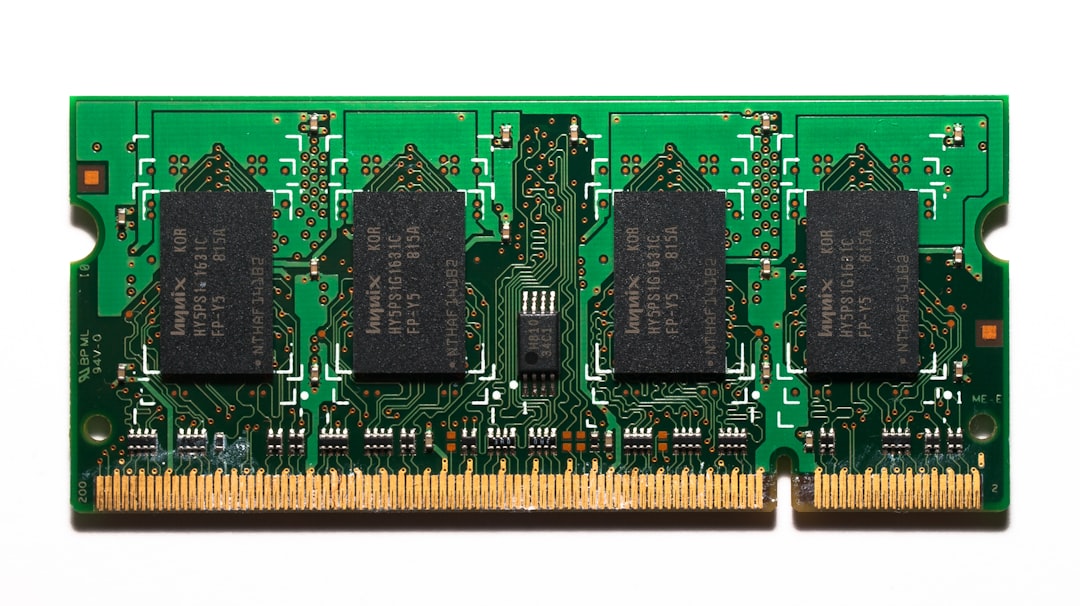
The feature is called the Memory and Thermal Optimization Engine (MTOE). It is not a simple tweak to the operating system but a predictive engine that analyzes usage patterns in real time. It learns which apps are opened most frequently, at what times, and with what workloads. Based on this data, it dynamically redistributes CPU and RAM resources, avoiding the typical slowdowns caused by memory fragmentation. The result is a device that never feels obsolete because the OS adapts proactively to the user's needs.
Sponsored Protocol
Thermal management is another pillar of this innovation. Apple has revised its throttling parameters—the mechanism that reduces processor frequency to prevent overheating. On older models, the new algorithm intervenes more gradually and only when strictly necessary, preserving performance even during prolonged browsing or gaming sessions. This is a marked improvement over past approaches, where slowdowns were often abrupt and noticeable.
A concrete impact on battery longevity
Performance gains are not the only benefit. MTOE also affects power management by reducing peak consumption. In tests conducted on an iPhone 11, battery life increased by roughly 15% across mixed usage scenarios. This means a phone from 2019 can now last a full day without trouble, almost as if it were new. The combination of responsiveness and endurance is exactly what users need to avoid upgrading every two years.
In a market that constantly pushes toward newer models, Apple is demonstrating a commitment to keeping its user base loyal even on older devices. This move has positive environmental implications: less e-waste, fewer rare materials extracted. The approach echoes other industry shifts toward longevity, such as the recent news about Fox acquiring Roku, a merger that aims to redefine television by building durable platforms.
Sponsored Protocol
How to make the most of this feature
No manual activation is required. MTOE is integrated into the latest iOS version and runs in the background. However, to maximize its benefits, it is advisable to keep the system updated and avoid force-closing running apps. The learning engine needs data to work effectively, and manually interrupting processes hinders its performance. Using an original charger also helps preserve battery health, on which the algorithm bases some of its decisions.
For owners of older iPhones, this update provides a breath of fresh air. The feeling of having a new phone without buying one is real. Apple has listened to criticism from previous years, when forced slowdowns on older models sparked controversy, and has reversed course. Today the goal is to keep devices alive as long as possible, with a strong focus on user experience. It is no surprise that similar trends are emerging in the wearables market: the Suunto Spark review highlights how open-ear design and long battery life are becoming priorities.
Sponsored Protocol
According to internal sources, the next iOS release will extend this feature further to iPad tablets and possibly to Macs with Apple Silicon. The road ahead is clear: the future of software lies in adaptive intelligence that makes existing hardware last longer. This is a clear message to the entire tech industry, which often favors planned obsolescence. For a deeper look at the technical foundations of these optimizations, consult the Wikipedia page on iOS, which explains the architecture of Apple's mobile operating system.
Source: https://www.wired.com/story/how-apple-is-making-your-older-iphone-run-faster-and-stay-alive-longer