I have spent several weeks shooting with the iPhone 17 Pro Max and bringing the files directly into DaVinci Resolve for color grading. The result is impressive. The ability to record in ProRes RAW turns the phone into a tool that behaves like a real cinema camera, with exposure latitude and post-production flexibility that no other smartphone has ever offered. This is not an incremental improvement but a leap forward that changes how we think about shooting on a mobile device.
ProRes RAW introduces the latitude of a professional cinema camera
The ProRes RAW format developed by Apple preserves all sensor information without aggressive logarithmic compression. Instead of recording an already interpreted file with fixed gamma curves and white balance, the RAW file retains raw sensor data. In grading, I can recover highlights and shadows with a naturality that reminds me of footage from cameras like the RED Komodo or the Blackmagic Pocket Cinema Camera. The iPhone 17 Pro Max is the first phone in the world to offer this mode natively, without external apps or special accessories. I shot scenes with strong contrast and the sensor response showed a dynamic range of about thirteen stops, a remarkable value for such a compact device.
Sponsored Protocol
The workflow with DaVinci Resolve enhances every single stop
In DaVinci Resolve, native support for ProRes RAW allowed me to adjust parameters such as color temperature, exposure, and contrast in a non-destructive way. I was able to set white balance after the fact without worrying about degrading the image. With old smartphone codecs like H.265 or even standard ProRes, any heavy color correction produced artifacts and noise. With RAW, the output stays clean even when pushing saturation or sculpting shadows. For someone like me who works daily with high-quality files, this freedom is essential. In the past, to achieve a similar result, I would have needed a mirrorless camera with external RAW recording and a dedicated recorder, adding size and weight. Now everything fits in a pocket.
Sponsored Protocol
The difference from ordinary ProRes is substantial and immediately visible
We must not confuse ProRes RAW with the standard ProRes that was already available on previous iPhones. Standard ProRes applies compression with a logarithmic curve but still makes highlight recovery difficult. RAW, on the other hand, is a true file with non-demosaiced data that the software interprets in real time. I compared the same scenes on iPhone 16 Pro Max and 17 Pro Max, and the difference is evident. With the former, overexposed areas clip quickly. With the 17 Pro Max, I can reduce exposure by two stops and recover details that seemed lost. Color reproduction is more faithful, and simulated film texture appears much more organic.
Data management is the only real practical limitation
ProRes RAW generates huge files, which fill internal storage within minutes of shooting. To overcome this, I used an external SSD connected via USB-C, and sharing the project in DaVinci Resolve was simple and smooth. Of course, not everyone needs such extreme quality. For quick projects and social media videos, compressed formats remain more practical. But those who want to push their creativity find in the 17 Pro Max an ally with no precedent in smartphone history. Apple's decision to keep the high-speed USB-C connector also proves smart, as it allows for seamless file transfer.
Sponsored Protocol
The smartphone truly enters the world of film production
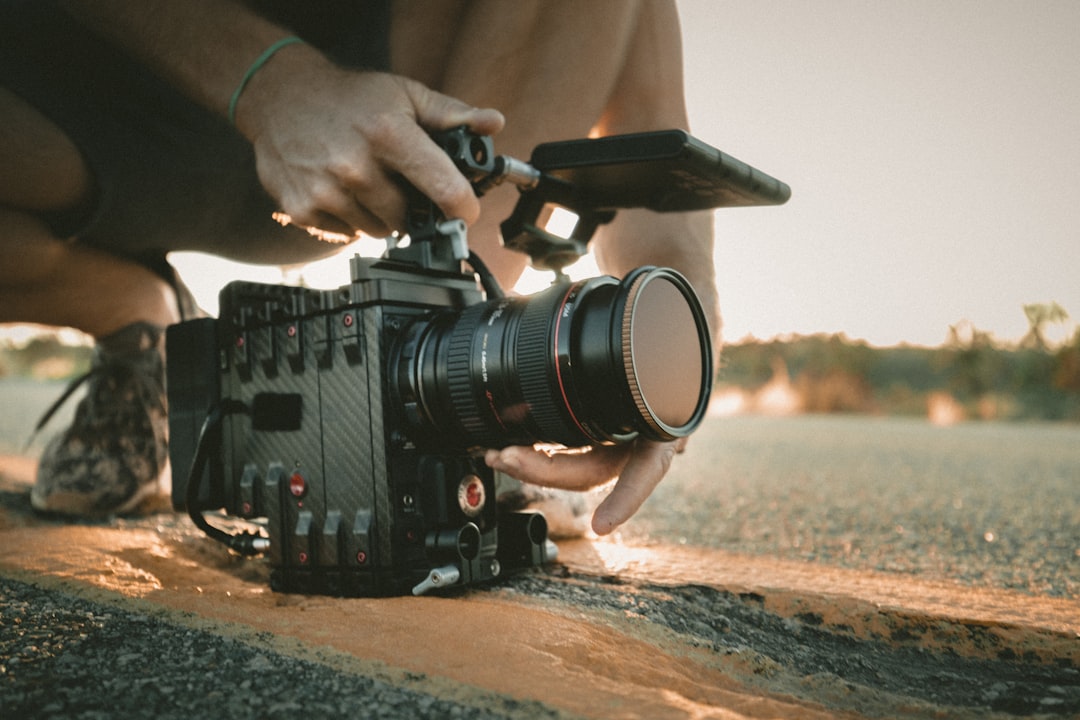
The iPhone 17 Pro Max does not replace a professional cinema camera on large sets, but it offers independent filmmakers and content creators a tool capable of approaching quality standards previously unthinkable. ProRes RAW is the reason I started evaluating the phone's footage as if it came from a dedicated camera. Combined with accessories like a cage mount or an external monitor, you can create complete workflows on a budget. To delve deeper into Apple's strategies and trade-in program, I followed the 9to5Mac analysis reported in this article on our website. Apple's ecosystem is moving to make these tools more accessible.
Sponsored Protocol
My personal experience leads me to conclude that ProRes RAW is truly a breakthrough for smartphone filmmaking. The ability to grade like with a professional camera is no longer a dream. The 17 Pro Max turns technique into concrete possibility. If you are willing to handle the data volume and work with non-linear software like DaVinci Resolve, the results will surprise you. For more details on the format, I recommend reading the Wikipedia page on ProRes.