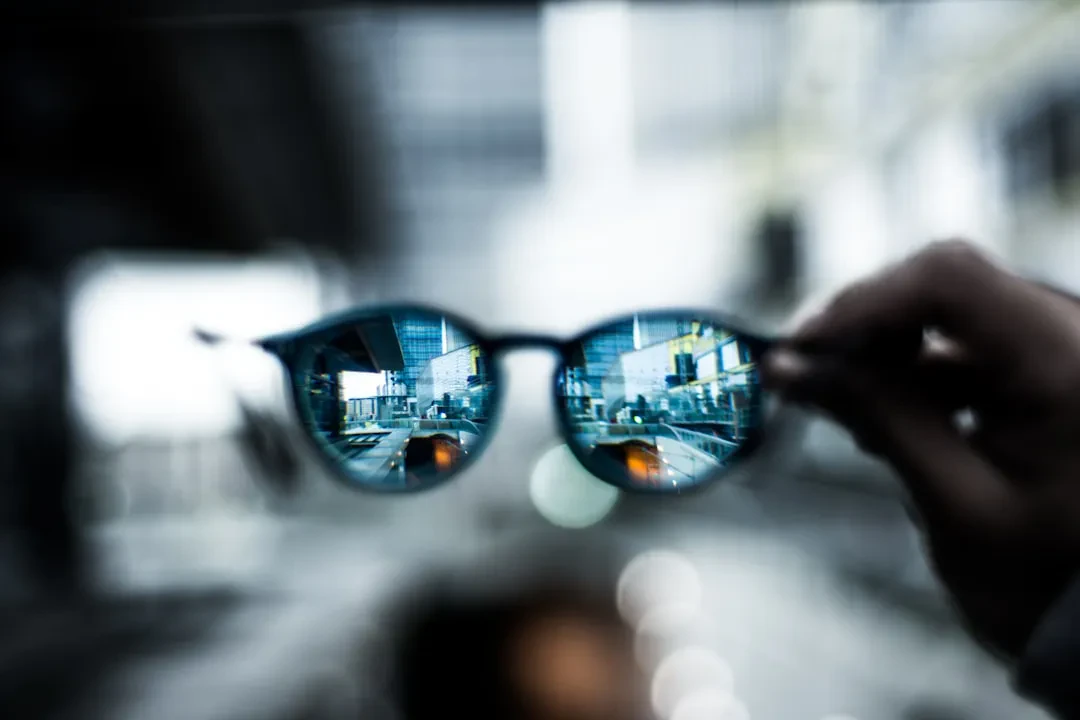
In recent months, the Menlo Park giant has taken a surprising step in the field of augmented reality and wearable devices. According to a report, Meta has partnered with Rank One Computing, a known Pentagon supplier, to internally prototype facial recognition features for its Ray-Ban smart glasses. This move, though still in a prototyping phase, raises profound questions about privacy and the direction the company intends to take with its next-generation devices.
Rank One Computing, whose board includes a former CIA deputy director and a former FBI science chief, provided Meta with biometric recognition software for an experimental application. The stated goal is to test real-time identification of people to improve user experience, for example by matching faces to contacts or a personal database. However, the connection to a company linked to the U.S. defense sector makes this partnership particularly sensitive.
Sponsored Protocol
Implications for privacy and digital security
Facial recognition is one of the most debated technologies worldwide. In Europe, GDPR imposes strict limits on the collection and processing of biometric data, classifying it as sensitive data. If Meta were to introduce facial recognition in its smart glasses, users could be exposed to risks of involuntary mass surveillance. This would not be the first time the company has faced criticism over data management, think of the Cambridge Analytica scandal. In this context, it is essential for users to understand how to defend against potential abuses. For instance, an operational guide on how to spot deepfakes and AI-related fraud can offer useful tips to protect one's digital identity.
A dangerous precedent in the tech sector
Earlier this year, Meta made headlines for training artificial intelligence models on public data, but this new initiative takes the discussion to a different level. Facial recognition integrated into a device worn daily turns every street corner into a potential data collection point. Some cybersecurity experts speak of a potential attack vector: if a malicious actor managed to hack the glasses, they could access sensitive biometric information. The threat is not merely theoretical, given that social engineering techniques are becoming increasingly sophisticated, often exploiting user trust in smart devices.
Sponsored Protocol
According to sources close to the matter, the project is still internal and has not been released to the public. However, the use of a supplier with such close ties to U.S. intelligence suggests that Meta wants to equip itself with military-grade facial recognition capabilities. While the company has stated that it does not intend to commercialize this feature without adequate safeguards, history teaches that commercial pressures often override ethical concerns. The path toward a future with glasses that "see" and recognize people is already being paved. To delve deeper into the general topic of AI agent identities, read the article about NewCore and the $66M for AI agent identities.
Sponsored Protocol
The role of biometric technologies in mass surveillance
Facial recognition is not new in the consumer sector: Apple and Google use it to unlock smartphones, but always with on-device processing. The key difference is that Meta's smart glasses are always on and connected, exponentially increasing the possibilities for passive surveillance. Rank One Computing, for its part, is a company specializing in high-precision algorithms used to identify people in video surveillance. As reported by Wired, the software has been tested to recognize faces even in low light or difficult angles. This level of accuracy, combined with a wearable device, could render any idea of anonymity in public spaces obsolete.
Sponsored Protocol
Critical voices are not lacking: digital rights associations like the EFF have already expressed concern. Italy's Data Protection Authority has previously fined Meta for violations related to facial recognition on Facebook. With this new scenario, the debate is bound to intensify. Technology, as is well known, is not inherently good or bad; it depends on how it is used. But when a private company collaborates with a defense contractor to develop surveillance tools, the line between innovation and social control becomes blurred. For those wanting to understand the technical foundations better, reading Wikipedia on facial recognition is a valuable authoritative resource to explore the mechanisms behind this technology.
Source: https://www.wired.com/story/meta-rank-one-computing-face-recognition-smart-glasses