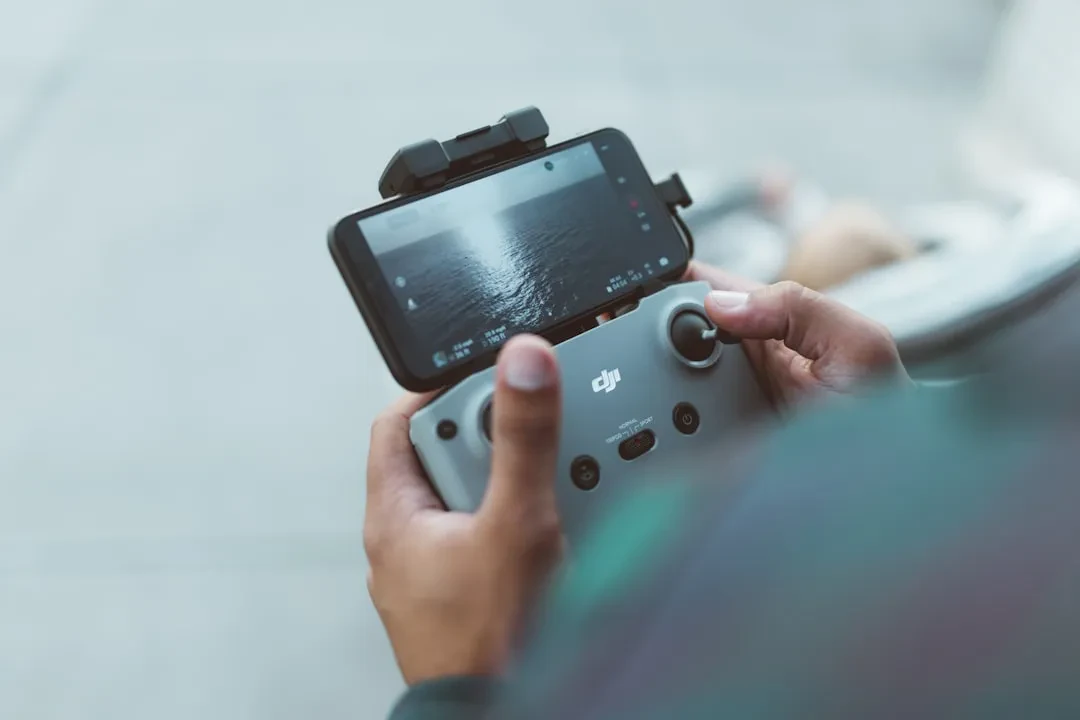
In the ever-evolving landscape of gaming, a new and ingenious modification is capturing enthusiasts' attention. A solution has emerged that allows for the mounting of a smartphone directly onto a Steam Controller, creating an unprecedented bridge between PC gaming and mobile experiences. This innovation, though still in its early stages with limited app compatibility, opens up exciting prospects for the future of interactive entertainment.
Merging Worlds The Potential of the Hybrid Controller
The premise is simple yet powerful a modified Steam Controller is integrated with a specially designed mount to accommodate a smartphone. The goal is to leverage the comfort and ergonomics of a quality hardware controller to interact with mobile titles, potentially enhanced by the Steam ecosystem. Imagine playing Android or iOS games with the precision and tactile feedback of a controller built for PC, combining the best of both worlds. This fusion could be particularly appealing to those seeking a deeper, more immersive gaming experience on mobile devices, without necessarily resorting to dedicated cloud gaming solutions or complex emulation. Similar to how lightweight laptops are being enhanced by AI, such as the LG Gram 2026 series, this shows technology's constant pursuit of new synergies.
Sponsored Protocol
Compatibility Challenges and Prospects
Despite the enthusiasm, the road to full integration is still long. Currently, compatibility with iOS and Android apps is limited. This means the functionality may not be universal and might require additional software or specific configurations to work correctly with certain titles. The success of this initiative will largely depend on the ability of developers to create software solutions that recognize and utilize this new hardware configuration. The hope is that, over time, wider adoption will be seen, perhaps with official support from platforms like Steam itself or from mobile game developers. This innovation also mirrors the advancements seen in other tech sectors, such as how Artificial Intelligence is reshaping industries, influencing everything from entertainment to production, as noted in discussions about Hollywood and digital platforms.
Sponsored Protocol
The Future of Gaming A Hybrid of Physical and Digital
This modification to the Steam Controller is not an isolated event but reflects a broader trend in the tech industry. The idea of merging different platforms and interaction methods is increasingly prevalent. This approach to gaming suggests a future where the boundaries between devices and operating systems become increasingly blurred. The ability to extend the functionality of dedicated hardware to a mobile environment opens new frontiers for accessibility and personalization of the user experience. It could represent a step towards a more unified gaming ecosystem, where your preferred device becomes an access point to a universe of possibilities, regardless of its original nature. The continuous drive for innovation is also evident in the bold moves by companies like Apple, pushing boundaries with devices like the future MacBook Pros with OLED and Touch, demonstrating a relentless pursuit of integration and new forms of user interaction.
Sponsored Protocol
Technical Considerations and Future Visions
From a technical standpoint, realizing such an adaptation requires an understanding of controller input protocols and smartphone communication interfaces. It is likely that the early versions of this modification rely on clever hardware solutions, perhaps using Bluetooth or USB-C connections for data transmission. The real leap forward will occur when APIs (Application Programming Interfaces) or SDKs (Software Development Kits) are developed, allowing game developers to natively integrate support for this configuration. This could mean the introduction of custom control profiles or automatic command mapping. Looking even further ahead, we might envision scenarios where controllers like this become standard, facilitating an unprecedented cross-platform gaming experience. It is not out of the question that other gaming platforms or hardware manufacturers might draw inspiration from this idea, leading to a new generation of hybrid peripherals. The challenge lies in making this integration as seamless and intuitive as possible for the end-user, transforming what is today a curious modification into a widely adopted and appreciated feature.
Sponsored Protocol