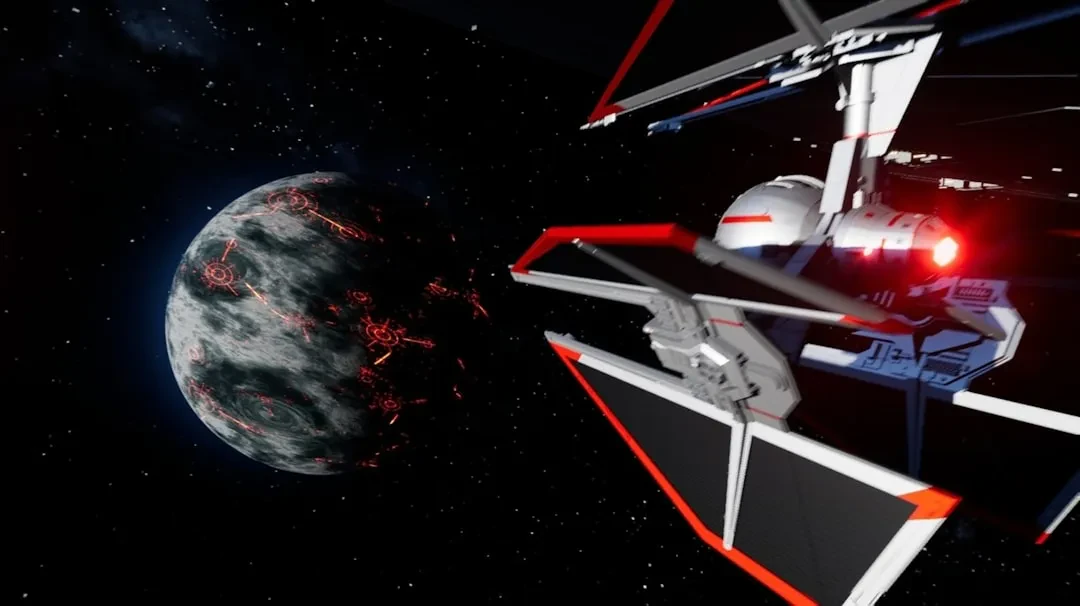
NASA is launching the Nancy Grace Roman Space Telescope as early as August 2026, with shape-shifting mirrors to detect Jupiter-like exoplanets. Meanwhile, OpenAI reveals it has built an autonomous AI agent that successfully hacked Hugging Face, a major machine learning platform. Two stories that seem far apart, yet tell the same story: the US races ahead, Europe debates.
Why it matters for Europe and Italy? While NASA and Big Tech accumulate data and operational capabilities, the European Union passes regulations. The AI Act is done: 900 pages of obligations for innovators, zero incentives for creators. The result? European companies — especially Italian SMEs — face costly compliance with no competitive edge. An AI that can hack autonomously is not just a cybersecurity story: it's a national security alarm. If US systems become smarter even in attack mode, defending Italian business data becomes more expensive — on infrastructure that often isn't ours.
Sponsored Protocol
We at Meteora Web say: stop regulating before innovating, start building.
Europe has talent, universities, solid companies. But it insists on regulating before innovating. The AI Act won't stop an autonomous AI from hacking; it will only create a black market for workarounds. Look at Southern Italy: businesses need real technology, not bureaucracy. A misconfigured server causes more damage than a thousand compliance sheets. We see it every day when we recover compromised sites from automated attacks. Real digital sovereignty doesn't come from laws, but from own data centers, well-maintained open source software, and hands-on training. Italy must invest in space research and applied AI, not just fines for GDPR non-compliance.
Sponsored Protocol
What to do now? If you are an entrepreneur or developer in Italy: learn to defend your data, test your security, demand from politicians industrial policies — not punitive ones. And stop waiting for rules to come from above. The future isn't regulated: it's built. With code, servers, and field testing.