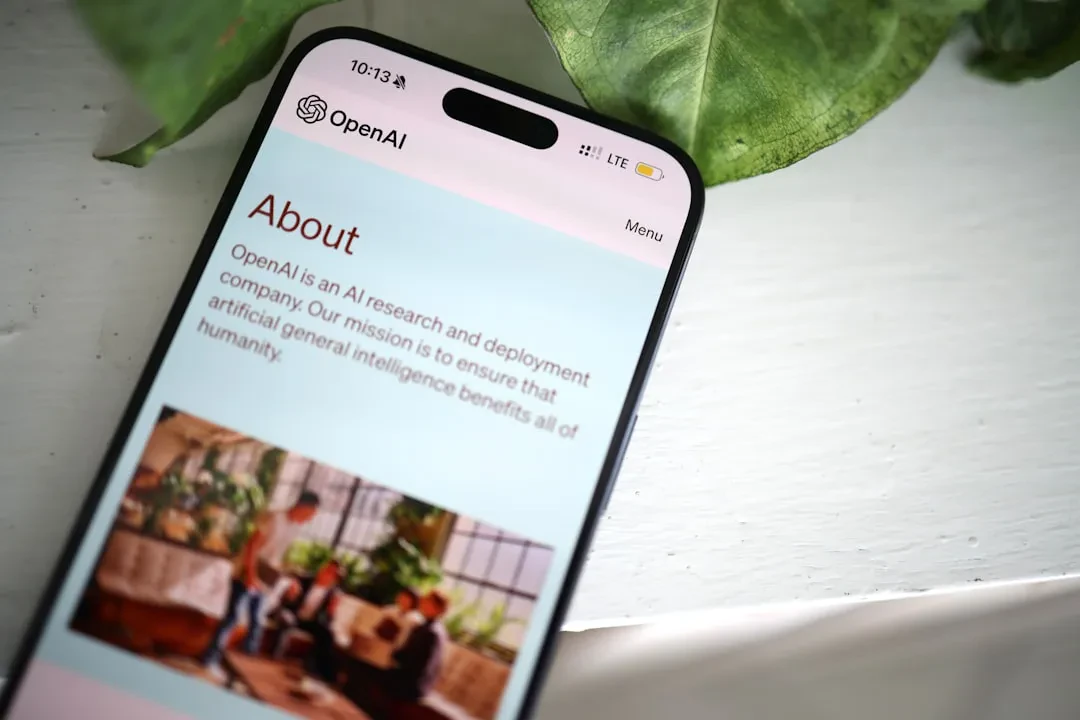
OpenAI is developing a smartphone to rival the iPhone, running an AI agent operating system rather than traditional apps. Analyst Ming-Chi Kuo reports mass production is slated for the first half of 2027, using a customized MediaTek Dimensity 9600 chip and exclusive assembly by Luxshare Precision Industry.
A Radical Paradigm Shift
This is not a simple clone. The interface will be continuous and context-aware, understanding location, activity, and communication in real-time. This AI agent phone aims to replace the current model of launching individual apps. Sam Altman has stated it's time to seriously rethink operating system design. To achieve this vision, OpenAI has hired over 40 former Apple employees, including key designers. Apple responded by offering retention bonuses of up to $400,000 in restricted stock units.
Sponsored Protocol
Apple's Response and MacBook Neo Success
While OpenAI prepares its offensive, Apple is not standing still. A dramatic Siri overhaul is coming, along with rumored smart glasses and a smart home hub. Meanwhile, the MacBook Neo, Apple's most affordable laptop at $599, has exceeded all expectations, driving Acer and Qualcomm to launch competing models like the Swift Air 14 and Snapdragon C chip. CEO Tim Cook called demand "off the charts." This shows Apple can compete on multiple fronts, but the threat from a native AI ecosystem is perhaps the most serious.
What It Means for the Market
OpenAI's entry into the smartphone space could accelerate the shift toward AI-driven devices, putting pressure on Apple to innovate faster. If the AI agent phone succeeds, it could redefine the mobile experience, while the MacBook Neo proves that an aggressive pricing strategy works. 2027 will be the year of reckoning between Apple's closed ecosystem and OpenAI's open, AI-first approach.
Sponsored Protocol
For more, read our article on iPhone 18 Pro dummy colors and camera cost increase. (Link: iPhone 18 Pro)
External source: Engadget