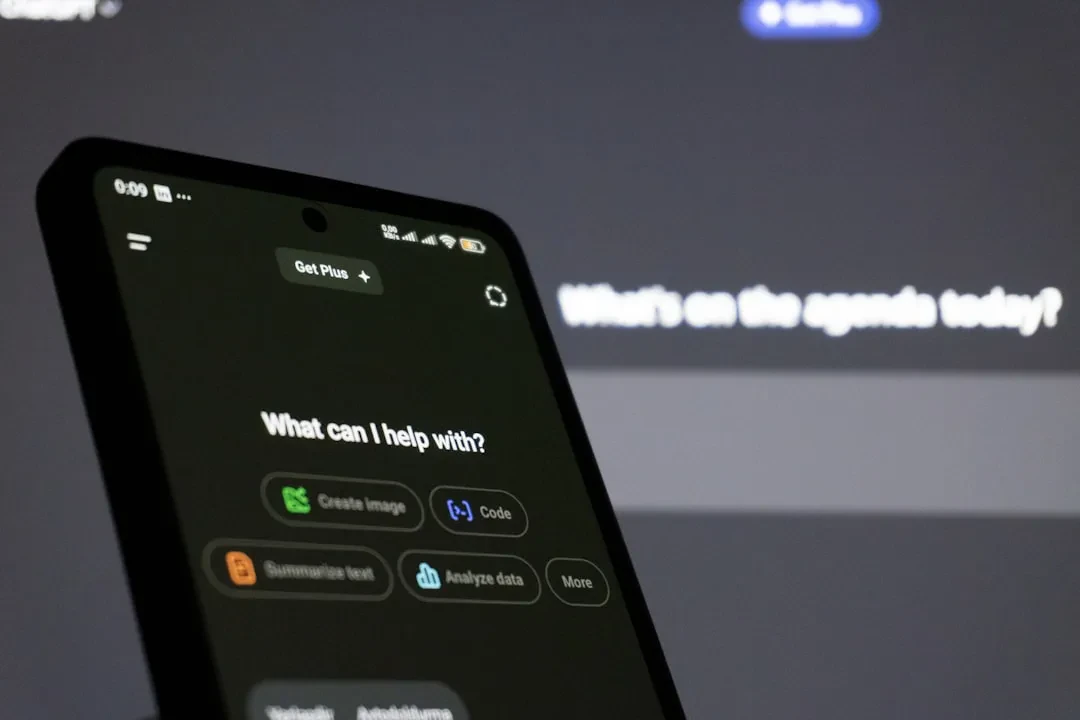
The landscape of artificial intelligence continues to evolve at a breakneck pace, and OpenAI's latest announcement regarding its new ChatGPT Images 2.0 model is a clear testament to this. This advanced image generation system is astonishing the tech world with its capabilities, marking a further leap forward in the evolution of generative artificial intelligence. The introduction of Images 2.0 highlights just how exponentially AI's potential has grown in recent years, opening up unprecedented scenarios for creatives, developers, and the public at large.
New Frontiers in Visual Creation
ChatGPT Images 2.0 is not simply an incremental update but represents a significant qualitative leap. The model excels at creating realistic and artistically coherent images, demonstrating a deeper understanding of text prompts and a greater ability to translate complex concepts into detailed visual representations. Whether generating illustrations for articles, concept art for video games, or simply visualizing abstract ideas, Images 2.0 offers flexibility and quality that exceed expectations. This technology is poised to redefine visual content creation.
Sponsored Protocol
Implications for the Creative Sector
The introduction of such a powerful tool raises questions and opens important discussions within the creative industries. Artists, designers, and photographers may see their workflows radically transformed. While this tool can democratize access to high-quality visual content creation, making it faster and more affordable, it also raises concerns about the value of human artistic work and potential job displacement in certain sectors. The ability to generate visual content with such ease could redefine business models and the skills required in the future. This development echoes ongoing discussions about the role of AI in art and design.
Sponsored Protocol
Technology and Safety
OpenAI is increasingly under the spotlight for its AI innovations. Recently, news emerged regarding investigations into OpenAI and ChatGPT concerning alleged criminal use, underscoring the growing impact of these technologies and the need for an adequate regulatory framework. The ability to generate realistic images, while exciting, carries the responsibility of preventing misuse, such as the creation of disinformation or harmful content. The company is working to implement more robust safeguards, but the debate on AI regulation is set to intensify. In a context of rapid innovation, it is crucial to maintain an open dialogue about AI safety and its ethical implications, a hot topic also for giants like Google, which with Gemini is exploring new frontiers in conversational artificial intelligence.
Sponsored Protocol
The Future of AI Generation
The success of Images 2.0 is not an isolated event. It follows and anticipates a series of developments shaping the future of technology. Consider Amazon's massive investment in Anthropic to dominate AI, or the continuous innovations in the Apple world, even under the new leadership of John Ternus, who is outlining a promising roadmap for the Cupertino giant. Generative artificial intelligence, particularly that capable of creating not just text but also images, music, and video, is set to become a fundamental component of our digital and professional lives. The potential for tools like Meta's AI training, which records user interactions, highlights the diverse applications and ethical considerations arising from AI advancements.
The integration of these capabilities into existing platforms, as might happen with future updates to Google Photos or advanced operating systems like a hypothetical iOS 27, will make content creation even more accessible. The challenge now is to balance innovative potential with responsible risk management, ensuring these powerful tools are used for collective progress and well-being. The evolution of models like ChatGPT Images 2.0 propels us into a future where the line between human creativity and artificial capability becomes increasingly blurred. This technological progression is reminiscent of the strategic shifts happening at major tech companies, such as John Ternus taking the helm at Apple, signaling a new era of innovation and leadership.
Sponsored Protocol