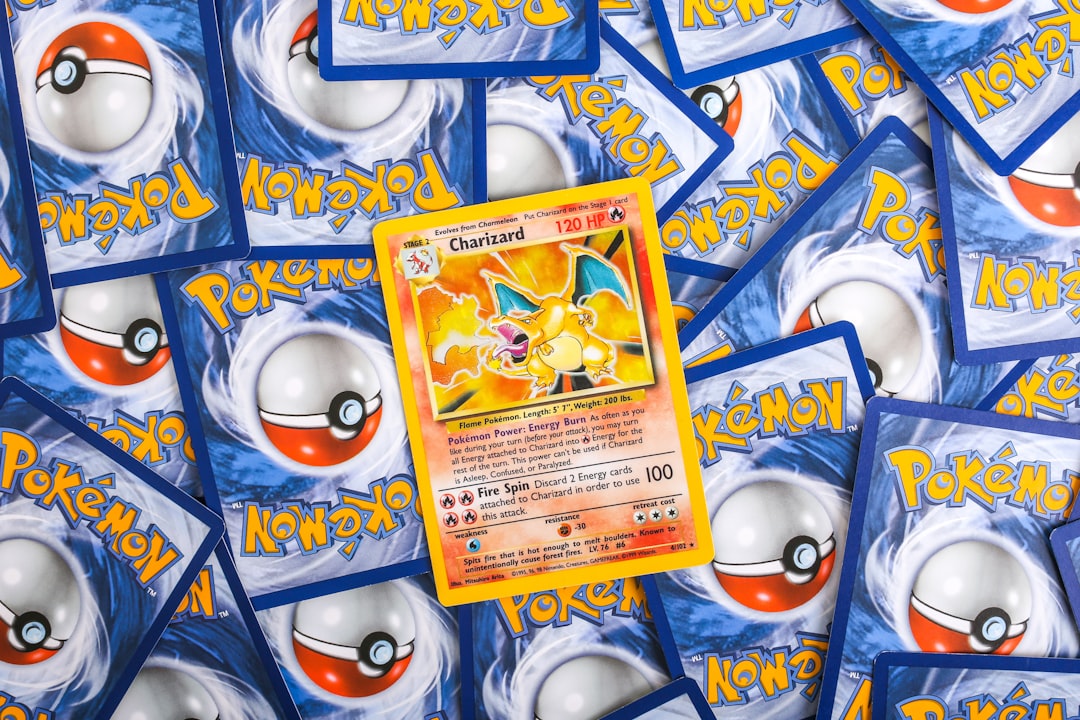
Pokemon's fight against scalping reaches the face scan
The Pokemon Company has announced a mandatory facial recognition system for entry into Pokemon Card Stores in Japan, targeting scalpers who buy up limited-edition cards to resell at inflated prices. The measure applies to adult shoppers and children above a certain age, while preschoolers are exempt but must be accompanied by a guardian. Each customer is allowed to enter only once per day; if the system detects a repeated attempt or multiple ticket requests, access will be denied. This initiative is part of a broader crackdown to create a safe shopping environment and ensure that genuine fans can purchase products at retail price. For now, the system is limited to Japanese stores, but it marks a significant move against the scalping epidemic that has plagued the trading card hobby for years.
Sponsored Protocol
How the facial recognition system works in Pokemon Card Stores
At the store entrance, a device scans the customer's face. The data is compared against a temporary database of daily visits. If the same person tries to enter more than once, the screen displays an alert and the door remains locked. Children who do not require a scan must be accompanied by a parent. The company stated that biometric data is not stored beyond the day, balancing security with privacy. This technology is not new in Japan, where it is used at events and fairs, but its application to collectible card retail is a novel response to organized scalping groups that clear shelves within minutes of store openings. The decision comes after years of frustration among collectors and players who often find new expansions sold out instantly.
The scalping phenomenon: from robberies to museum chaos
Pokemon card scalping has turned into a lucrative side hustle, with rare cards fetching high prices on secondary markets. This has attracted criminals as well. In January, thieves armed with guns and hammers stormed a newly opened Pokemon store, stealing over $100,000 worth of collectibles. Similar burglaries have been reported worldwide, targeting collectible shops. Scalpers also disrupt cultural events: during a promotion at the Van Gogh Museum in Amsterdam, they attempted to grab all Pikachu with Grey Felt Hat cards, causing chaos and forcing the museum to halt the event. These incidents have pushed The Pokemon Company to adopt drastic measures like facial recognition. The company hopes to restore fairness and ensure that the hobby remains accessible to regular players.
Sponsored Protocol
Implications for the future of collecting
If successful, the Japanese pilot could be expanded to other countries. While biometric authentication in retail raises privacy concerns, The Pokemon Company emphasizes that data is not reused. The primary goal is to let genuine fans buy cards without competing with resellers. Industry insiders suggest that other trading card companies may follow suit if the system proves effective. Whether technology alone can stop deep-rooted scalping remains to be seen, but it represents a concrete step toward a fairer market. For more on retail security trends, check out the article on AirPods 4, AirTag 2, and iPad 11 Hit Record Lows This Week on Amazon. For broader context on scalping, refer to Wikipedia's entry on scalping.
Sponsored Protocol