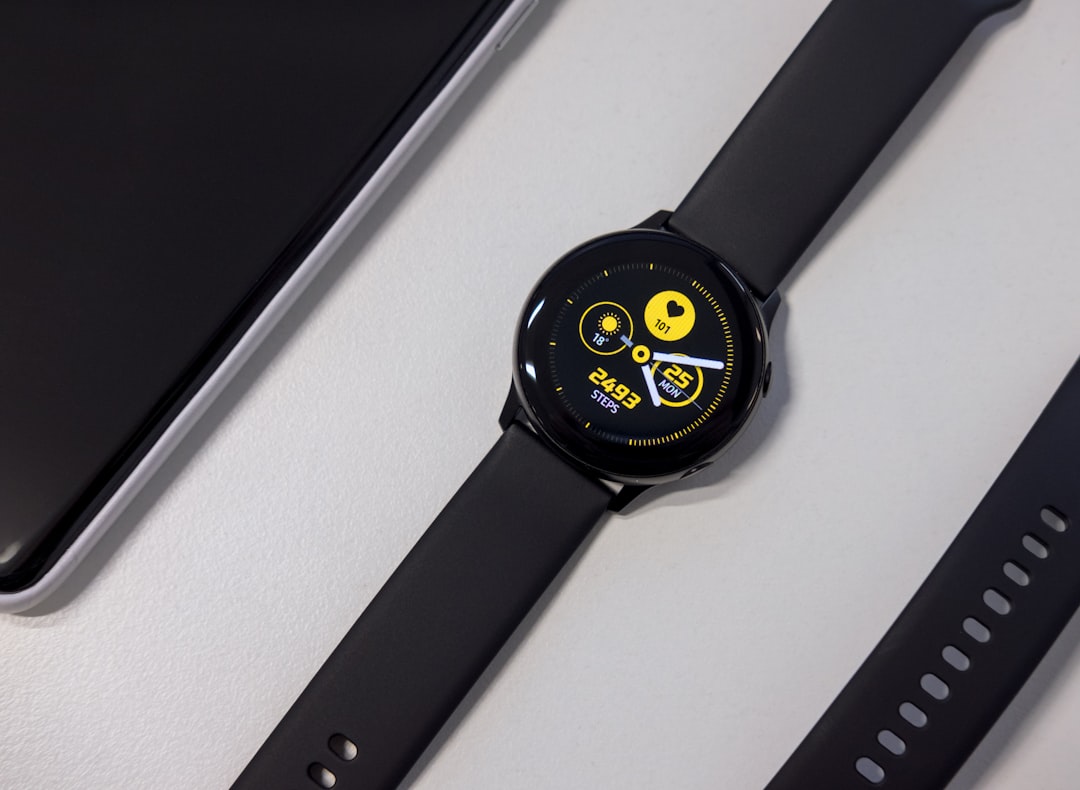
Samsung has announced the removal of the 'Vascular Load' feature from its Galaxy Watch lineup, effective with the upcoming One UI 9 Watch update (based on Wear OS 7) and Samsung Health 7.0. In an official notice sent to users, the company explained that vascular load data will no longer be displayed in the Samsung Health app after the update, but users can download their historical data before the change takes place in late July 2026. The feature will be replaced by blood pressure trends, a new metric that provides periodic blood pressure monitoring and personalized tips to support healthy habits.
What was Vascular Load and why Samsung is removing it
Vascular Load utilized photoplethysmogram (PPG) signals during sleep to measure blood volume and vascular stiffness, helping users monitor stress on blood vessels. While Samsung touted its potential for cardiovascular risk prevention, the metric lacked clinical validation and was often confusing for users. The shift to blood pressure trends aligns with a more evidence-based approach, requiring periodic calibration with a blood pressure cuff every 28 days. Samsung emphasizes that the new feature is for wellness only and not a substitute for medical diagnosis. The blood pressure trend feature will be available on existing Galaxy Watch models and the upcoming Galaxy Watch 9.
Sponsored Protocol
The removal comes as Samsung focuses on features that integrate with standard medical devices. According to the notice, users in the United States will be affected first, with international availability expected later. Interestingly, Samsung's note specifically mentions the 'upcoming Galaxy Watch,' suggesting that blood pressure trends may debut with Galaxy Watch 9, though existing devices from Galaxy Watch 4 onwards support the hardware necessary for the feature.
Sponsored Protocol
How blood pressure trends improve user experience
Blood pressure trends provide a longitudinal view of blood pressure variations, offering weekly and monthly averages alongside actionable insights. Unlike Vascular Load, which only captured nocturnal data, the new feature incorporates voluntary measurements throughout the day. Users must calibrate their watch using a certified upper-arm cuff every 28 days to ensure accuracy. Samsung Health will then use the watch's PPG sensor to estimate blood pressure trends between calibrations. This method has been validated in multiple studies and is already used by other wearables.
Sponsored Protocol
In other tech developments, Apple has already begun internal testing of iOS 27.4 (read more), and three nuclear startups reached criticality in a symbolic milestone (explore article). For a deeper dive into PPG technology, check Wikipedia's page on photoplethysmography (learn more). Samsung's pivot away from proprietary metrics toward clinically recognized ones could set a precedent for the wearable industry, emphasizing accuracy and medical relevance over novelty.
Source: https://9to5google.com/2026/07/02/samsung-galaxy-watch-vascular-load