It is not every day that a smartphone changes the way you think about an entire product category. In recent years, we have seen devices like the OPPO Find X9 Ultra with a native 10x telephoto camera and phones adopting high-capacity silicon-carbon batteries. However, I have always viewed these as iterative upgrades rather than fundamental changes in how you use the device. It is hard to innovate in the smartphone space in 2026, especially with brands battling rising RAM prices and higher component costs.
When Samsung unveiled the Galaxy Z Fold 8 with its wider form factor, I did not think it would make much of a difference. After all, we have already seen similar passport-style foldables with devices like the original Google Pixel Fold and the first-generation OPPO Find N. I did not expect making the phone shorter and wider to change the experience. But after using the Galaxy Z Fold 8 for the past two weeks, particularly for reading and watching videos, I have completely changed my mind.
Sponsored Protocol
A wider design that reduces black bars in videos
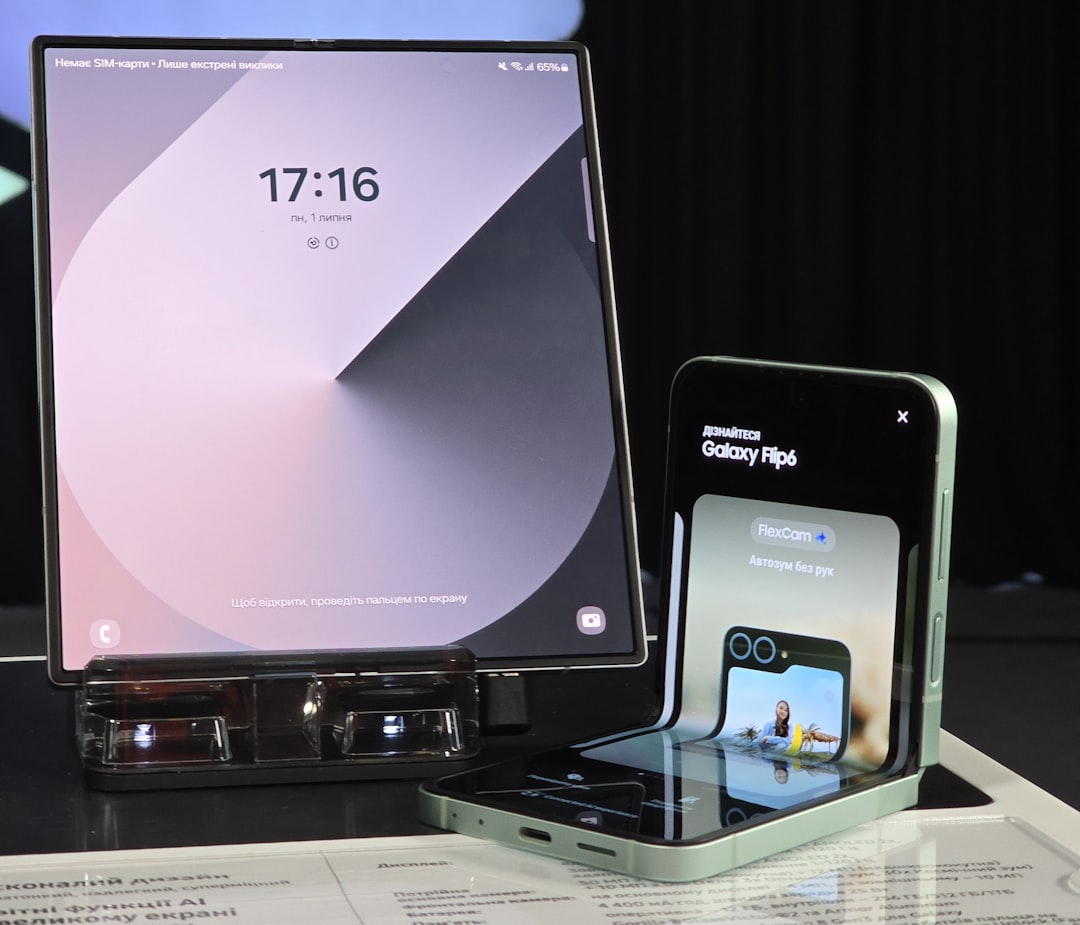
The Galaxy Z Fold 8 is noticeably shorter than the Ultra but much wider. The cover display uses a 10:16 aspect ratio, while the inner display opens up to a 4:3 canvas. For comparison, most smartphones today, including the Google Pixel 10 Pro and Samsung Galaxy S26 Ultra, use much taller displays that sit closer to a 20:9 aspect ratio. Watching videos on the Galaxy Z Fold 8 is a better experience than on traditional book-style foldables. Because the inner display is closer to a tablet's aspect ratio, horizontal videos take up more of the screen, leaving smaller black bars above and below the content. I played the same set of videos on the Galaxy Z Fold 8 and the OPPO Find N6 to see the difference. On paper, the Find N6 has a larger display by about 0.4 inches, and it feels bigger in person. But when you watch content on both phones, Samsung's design makes more sense. The black bars above and below the videos are narrower on the Galaxy Z Fold 8 thanks to its wider, more tablet-like aspect ratio (4:3). There is not as much letterboxing as on the Find N6.
Sponsored Protocol
Reading on a book-like display feels more natural
The same advantage carries over to reading. For example, I pulled up a website with book-like text, and you can see a few extra lines towards the bottom of the Galaxy Z Fold 8. Beyond that, the device has a more familiar book-like feel than the Find N6 because of its form factor. The combination of a compact cover display and a 4:3 inner screen makes reading articles, ebooks, and documents much more enjoyable, approaching the experience of a real tablet.
Unoptimized apps remain a hiccup but do not ruin the experience
As an Android fan, I was excited about the idea of this new form factor, but I was also worried. Android apps have never been optimized for every screen size, and unlike iOS, Google does not have nearly as much control over how third-party apps scale. My biggest concern was whether apps would feel awkward on the Galaxy Z Fold 8's unusually wide cover display. Thankfully, that has not been the case. On the contrary, I have grown to like using the outer display. It is compact enough to use one-handed, but wide enough that apps do not feel cramped. Most of the apps I use every day have scaled well. I have enjoyed scrolling through my feeds in apps like Twitter (X) and Reddit, whereas using YouTube Music on the cover display reminds me of the old iPod days. Some of Samsung's first-party apps, like Calendar, make excellent use of filling the whole cover screen. Still, it is not perfect. I came across a handful of apps that do not scale properly, and a few still need to be restarted after unfolding the phone. But for most of the apps I use every day, the wider cover display has been a non-issue.
Sponsored Protocol
The drawbacks of the Galaxy Z Fold 8: battery and crease
Despite its strengths, the Galaxy Z Fold 8 has some glaring drawbacks. Battery life, while decent, does not excel compared to competitors, especially with heavy use of the inner display. The crease on the display, though less noticeable than previous models, is still visible under certain lighting conditions. Additionally, the device remains heavy, even if lighter than the Ultra. These trade-offs are typical of foldables, but Samsung has made strides in the right direction.
Sponsored Protocol
The future of foldables is wider
The last two weeks with the Galaxy Z Fold 8 have given me a new perspective on foldable phones. I did not have big expectations with the wider design, but using the phone has turned me into a believer. Now I feel every book-style foldable phone should be heading in this direction. Not because the inner display is larger, but because Samsung has properly balanced the two screens. The cover display is compact and feels easier to carry around than a taller foldable. The inner display delivers on the promise of a foldable. To me, this is the first foldable that solves the biggest compromise of the category: giving you a tablet-sized screen without making the phone experience worse. While wider foldables have existed before, the technology has matured. Other factors, like excellent battery life, a less noticeable crease, and an anti-reflective inner display, make the whole feel more mature than it did a couple of years ago. I am sure taller foldables will continue to exist. But if Apple's rumored foldable adopts this wider form factor, I would not be surprised if more Android makers start moving in the same direction. After using the Galaxy Z Fold 8, I would be all for it.
Sponsored Protocol
Source: https://www.androidpolice.com/spent-two-weeks-with-galaxy-z-fold-8