Samsung's Galaxy Z Fold 8 and Z Fold 8 Ultra bring significant improvements in design and specifications. The company managed to reduce thickness, increase battery capacity with silicon-carbon cells, and boost wireless charging speed to 20W. Yet one crucial omission stands out: the absence of built-in Qi2 magnets. Both foldables are only "Qi2 Ready", meaning users must attach a magnetic case to benefit from magnetic charging or accessory mounting. This requirement undermines the very thinness Samsung worked so hard to achieve.
Qi2 Ready is not native Qi2: a critical difference
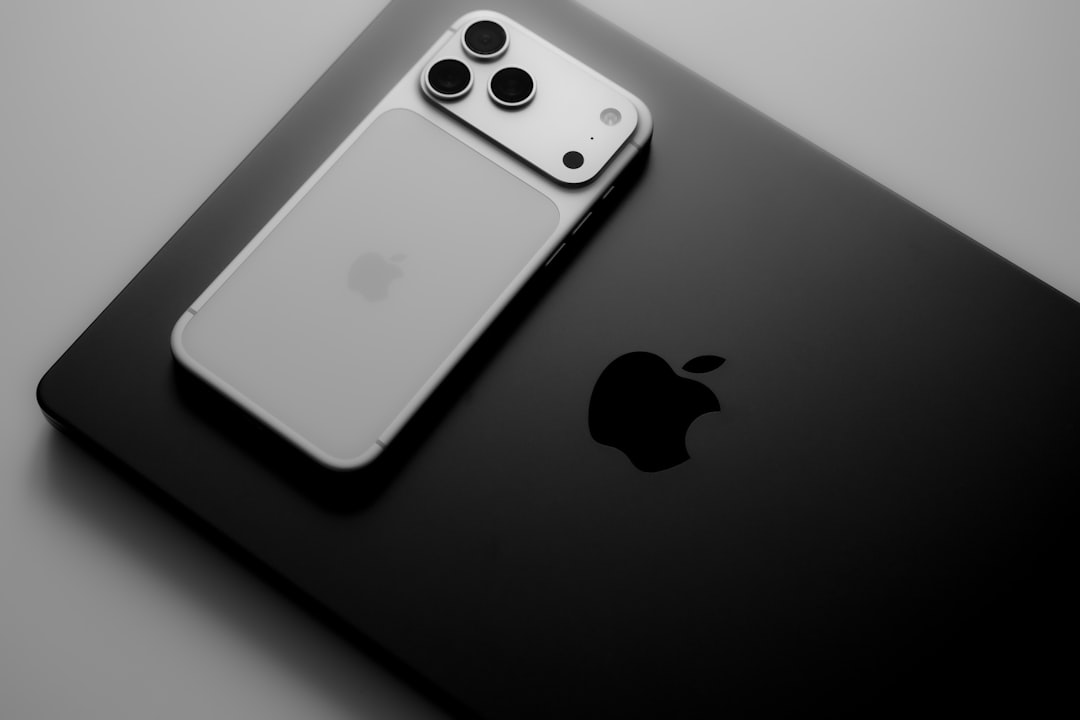
A phone with native Qi2 support features a ring of magnets around its wireless charging coil. These magnets ensure perfect alignment with chargers, magnetic power banks, and stands, eliminating the common problem of poor contact. In contrast, a Qi2 Ready device lacks internal magnets. Users must purchase a special case with an embedded magnetic ring, which often costs more and limits design choices. Samsung first adopted this approach with the Galaxy S25 series in early 2025, causing confusion. Now, eighteen months later, the company repeats the same compromise on its premium foldables.
Sponsored Protocol
A hard-to-justify compromise on a $2,000 device
The Galaxy Z Fold 8 and Z Fold 8 Ultra start at over $2,000. At this price point, customers expect every convenience, especially those that enhance daily use. Built-in magnets would allow attaching the phone to a stand for video watching on the inner display, securing it to a car mount, or connecting a magnetic power bank without dangling cables. These uses perfectly suit the foldable form factor. Instead, Samsung forces users to add a case, adding bulk to a device the company slimmed down with great engineering effort. This is a clear contradiction.
Third-party alternatives and charging solutions
While Samsung delays native Qi2 adoption, other manufacturers already offer integrated magnets. The lack of this feature pushes users toward external accessories. For instance, the Anker 9-in-1 Charging Station combines USB-C and AC outlets but does not solve the magnet issue. For truly convenient charging, Samsung should have embedded the magnets directly. The Qi2 standard, finalized by the Wireless Power Consortium nearly three years ago, is well-established. Samsung is a member of the consortium, making its hesitation even harder to understand.
Sponsored Protocol
Impact on the accessory ecosystem
The absence of native magnets directly affects case choices. Users who prefer thin skins or minimalistic covers cannot get magnetic functionality without adding an adhesive ring, compromising aesthetics. Moreover, magnetic cases are typically more expensive and offer fewer design options. Samsung has invested heavily in making its foldables thinner and more durable, yet this decision shifts the burden of completing the hardware to the consumer. This is frustrating, especially for those who bought one of the most expensive phones on the market.
Sponsored Protocol
A missed opportunity for Samsung
With the Galaxy Z Fold 8, Samsung had the chance to impress by finally integrating Qi2 magnets, a small but impactful improvement for daily usability. Instead, it chose to maintain the status quo, continuing a trend that has persisted for two generations. Fold fans can only hope the next model will fill this gap. Meanwhile, anyone wanting magnetic charging must accept an extra case, negating part of the slim design advantage. At this price, that compromise leaves a bitter taste.
Source: https://www.androidpolice.com/i-cant-believe-samsung-made-galaxy-z-fold-8-thinner-forced-cases