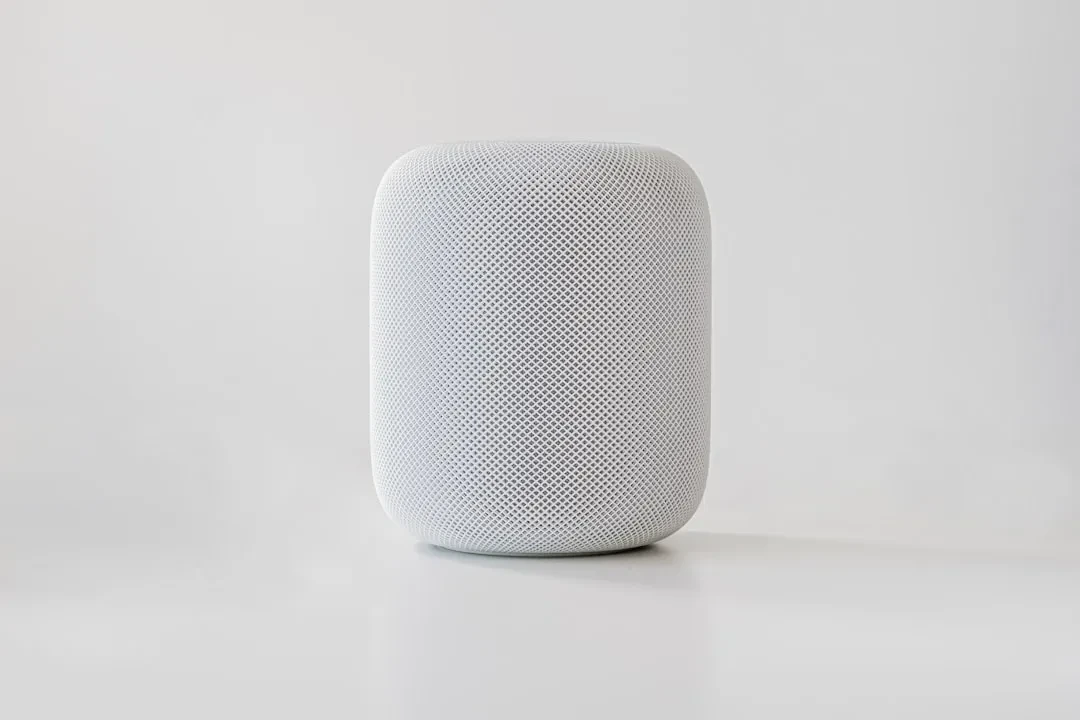
In 2026, Apple shipped a Siri that finally talks like a human. Complex questions, context, memory. US tech press cheers: “an AI that’s actually useful.” But to use it, you must live inside the Apple ecosystem. Your data flows through US servers, and Cupertino sets the rules. For an Italian business, that’s not an assistant — it’s a permanent rental contract with a foreign landlord.
The news sounds technical. The real story is the power model behind it. Siri AI is a perfect example of Big Tech hoarding sensitive data — conversations, habits, preferences — inside a closed box. Europe has the AI Act, yes, but it focuses on “extreme” risks. The medium risks — dependency, lock-in, data leaking to jurisdictions without comparable privacy — are left to corporate goodwill. We see it every day: SMEs renting SaaS tools with no idea where their client data goes. Same dynamic, different scale.
Sponsored Protocol
Our position is clear: owning your stack beats renting it forever.
We, at Meteora Web, chose Laravel and open-source platforms precisely to avoid vendor lock-in. When we built a proprietary platform to manage social media presence for multiple clients, we did it on our own code. When an e-commerce client had slow images, we optimized them without asking anyone’s permission. The same logic applies to AI: if your assistant is proprietary and carries away your data, it’s not help — it’s a hidden cost. The digital divide is also geographic: businesses in Southern Italy cannot afford to be passive customers of Big Tech. They must own their tools, or at least control data flows.
Sponsored Protocol
What to do? For developers: learn open-source models (Llama, Mistral) and contribute to European sovereign AI projects. For entrepreneurs: audit your digital tools — ask yourself: where does customer data end up? Can I walk away without losing everything? For policymakers: fund servers and training in Italy, not just paperwork. Siri’s AI is cool, but for us Italians it must be a tool, not a master.