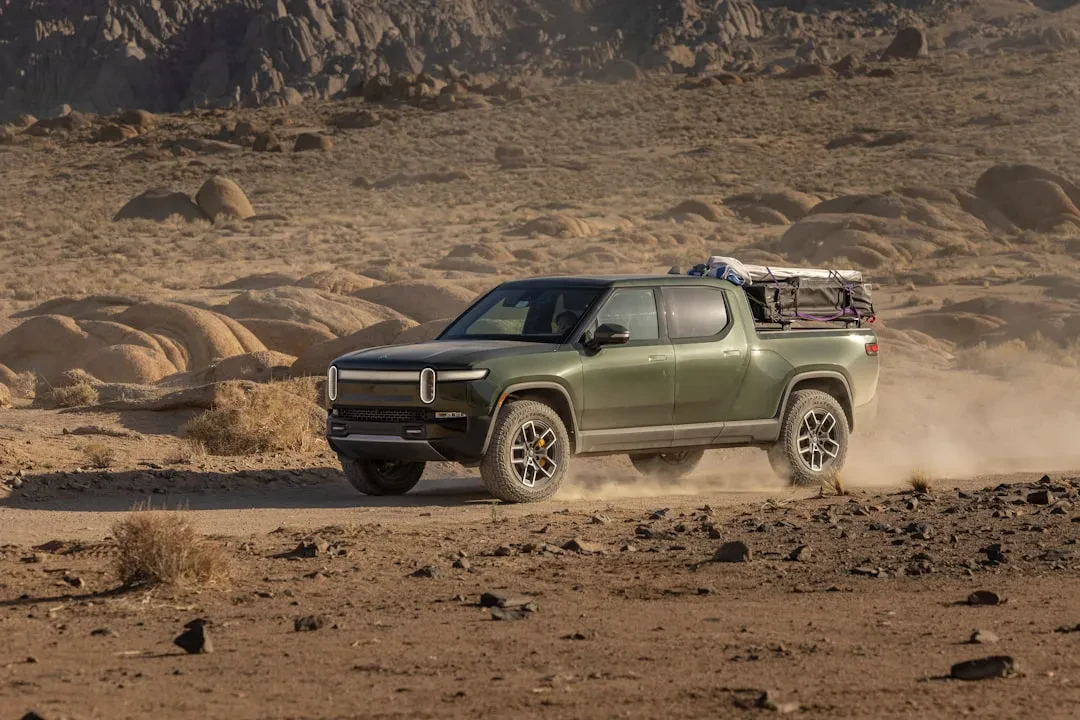
The automotive landscape in 2026 is being reshaped on two parallel and deeply technological fronts. On one side, a Bezos-backed startup is preparing to write the next chapter of electric mobility by announcing preorders. On the other, an established player like Rivian is declaring war on the very concept of smartphone mirroring, betting everything on a native, agentic software experience powered by artificial intelligence. These two events together paint a future where the car is no longer just a vehicle, but a fully integrated intelligent ecosystem.
Slate Auto: Bezos' Challenge Starts in June
The startup Slate Auto, backed by Amazon founder Jeff Bezos, has announced that on June 24, 2026, it will open preorders for its first electric vehicle. After months of speculation and teasers, the company will finally reveal definitive pricing and allow early customers to secure their spot in line. The announcement, reported by sources close to the venture, confirms that deliveries are expected to begin by the end of the year. Slate Auto aims to capture a share of the premium EV market with an innovative design and proprietary software platform, challenging giants like Tesla, Rivian, and traditional German automakers. The move comes at a time when EV demand remains robust but competition is intensifying. Slate's ability to deliver a differentiating user experience will be critical, and on this front the startup may well look at what is happening at Rivian for inspiration.
Sponsored Protocol
AI as the New Frontier: Rivian Buries CarPlay
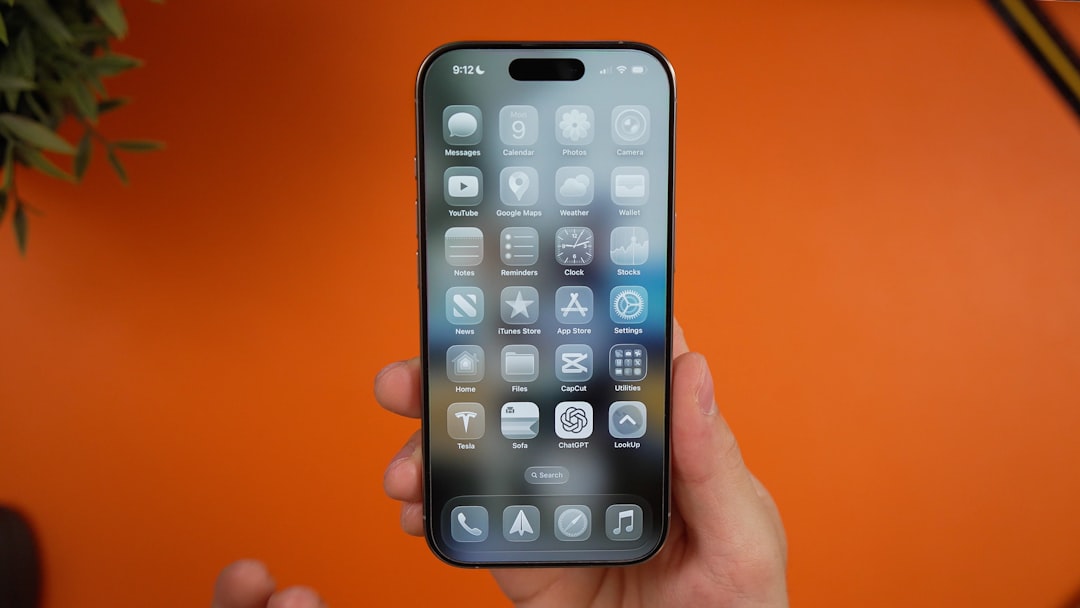
Meanwhile, Rivian's chief software officer, Wassym Bensaid, has given an interview destined to become iconic. On The Verge's Decoder podcast, Bensaid explained why the debate over Apple CarPlay and Android Auto will become “completely obsolete.” The core argument is that screen mirroring solutions like CarPlay take over every single pixel of the interface, preventing true vertical integration. Rivian prefers to offer its own interface with end-to-end integration and a deep integration of artificial intelligence. The executive stated that in the near future, AI agents will allow users to access app functionalities without launching CarPlay or Android Auto. Imagine a contextual voice assistant that, sensing your needs, opens music, navigates to a destination, or manages calls seamlessly and without friction. This scenario, according to Bensaid, will make mirroring systems not only unnecessary but even counterproductive.
Sponsored Protocol
Data Speaks: Customers Change Their Minds
Rivian's strategy is not just theoretical. The company shared internal data that is surprising. When the first Rivian vehicle launched about five years ago, over 70% of customers wanted CarPlay. Today, after continuous software updates and the rollout of exclusive features, a recent survey shows that fewer than 25% of buyers still request it. Bensaid emphasized that the level of end-to-end integration and convenience offered by the native interface has made the CarPlay topic “no longer a topic of discussion.” This trend is confirmed by the growing interest in vehicles with proprietary software, as also evidenced by Waymo's dominance in the autonomous driving sector, where total software integration is the norm. A related article on Waymo's autonomous vehicle registrations in Texas shows how closed ecosystems are winning on regulatory and operational efficiency fronts as well.
Sponsored Protocol
Industry Impact and Next Moves
Slate Auto's announcement fits into this transformation context. The startup will have to decide whether to follow Rivian's vertical integration path or rely on third-party solutions like CarPlay. This choice will impact not only the user experience but also development timelines. On the other hand, Rivian's stance could accelerate the adoption of native AI interfaces by other manufacturers. If the AI agent becomes the new standard for interacting with a car, the automotive software market will face a shakeup similar to what the smartphone sector experienced with the rise of Siri and Google Assistant. To further explore the role of AI in enterprise, check out the article on Glean and Anthropic in dynamic workflows. The convergence between enterprise AI and automotive is inevitable, and Rivian seems ready to ride the wave.
Sponsored Protocol
Ultimately, June 24, 2026, marks a new beginning for Slate Auto, while Rivian's statements confirm that the future of infotainment is already written in AI code. The question now is: will other automakers follow suit or cling to old mirroring methods? The answer will arrive in the coming months, but one thing is certain: the connected car will never look back. For a historical overview of mirroring technologies, refer to the Wikipedia entry on Apple CarPlay.