During its first earnings call after the IPO, SpaceX disclosed plans to build a terrestrial cellular service. President Gwynne Shotwell stated that the company will utilize the spectrum acquired from EchoStar to construct a ground-based network. The goal is to turn Starlink into a true mobile service capable of winning customers away from the major U.S. telecom operators.
An alternative infrastructure to cell towers
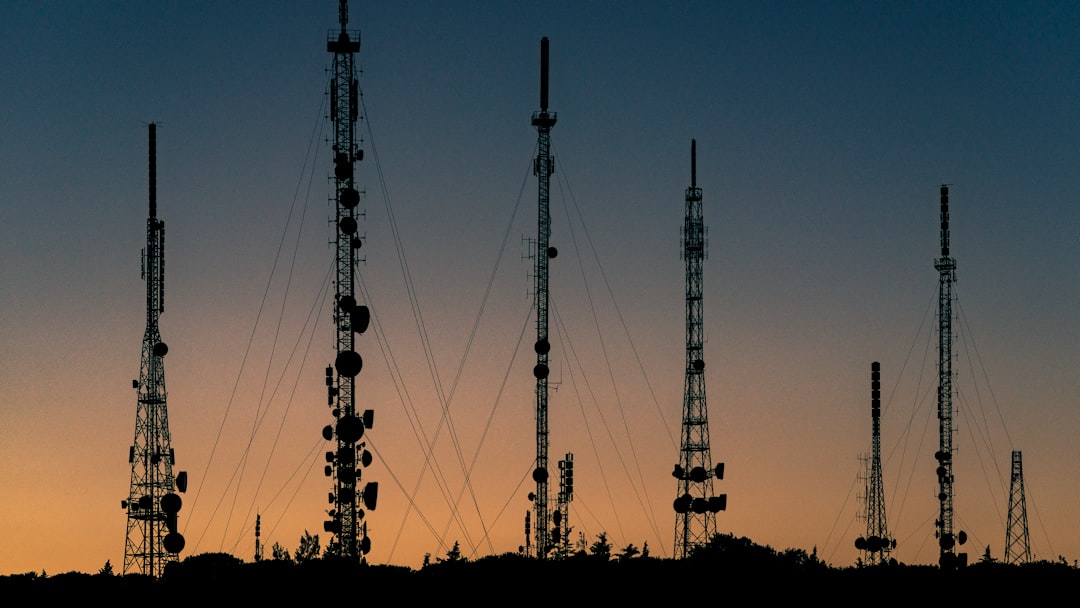
Shotwell explained that SpaceX has innovative approaches in mind, such as deploying a large number of low-cost base stations paired with Starlink dishes instead of traditional cell towers. This could reduce infrastructure costs and accelerate coverage. However, she declined to provide financial details of the undertaking.
The $19.6 billion EchoStar spectrum acquisition
In 2025, SpaceX agreed to pay $19.6 billion to acquire 65 MHz of wireless spectrum licenses from EchoStar. This acquisition is crucial to expand Starlink's direct-to-cell satellite service with ground-based infrastructure. The spectrum will enable the integration of satellite coverage with traditional mobile networks, thereby offering more comprehensive connectivity.
Sponsored Protocol
Competitive challenges and the role of MVNOs
Analysts interviewed by Reuters emphasized that without an MVNO (Mobile Virtual Network Operator) agreement with a major carrier, it will be extremely difficult for Starlink to compete with AT&T, Verizon, and T-Mobile. The 65 MHz is a tiny amount compared to the spectrum owned by the big players, which are unlikely to lease capacity to a competitor. Moreover, the existing partnership with T-Mobile for the T-Satellite feature may not be enough to guarantee a competitive edge.
Sponsored Protocol
The launch of Starlink Mobile satellites in 2027
SpaceX plans to launch its next-generation Starlink Mobile satellites in 2027, with an upgraded service that is "100 times better" than the current direct-to-cell connectivity. The target is to have this improved service by the end of that year. Meanwhile, shares of AT&T, T-Mobile, and Verizon fell between 2 and 4 percent following SpaceX's announcement, a sign that investors take the threat seriously.
For broader context on privacy challenges and data sharing, see our article on how some Android apps share location with advertisers. Additionally, regulatory implications for new technologies are discussed in our piece on EU AI Act obligations for developers and SMEs.
Source: https://www.macrumors.com/2026/08/05/starlink-mobile-service